
MEXICO CITY RESIDENT 2026
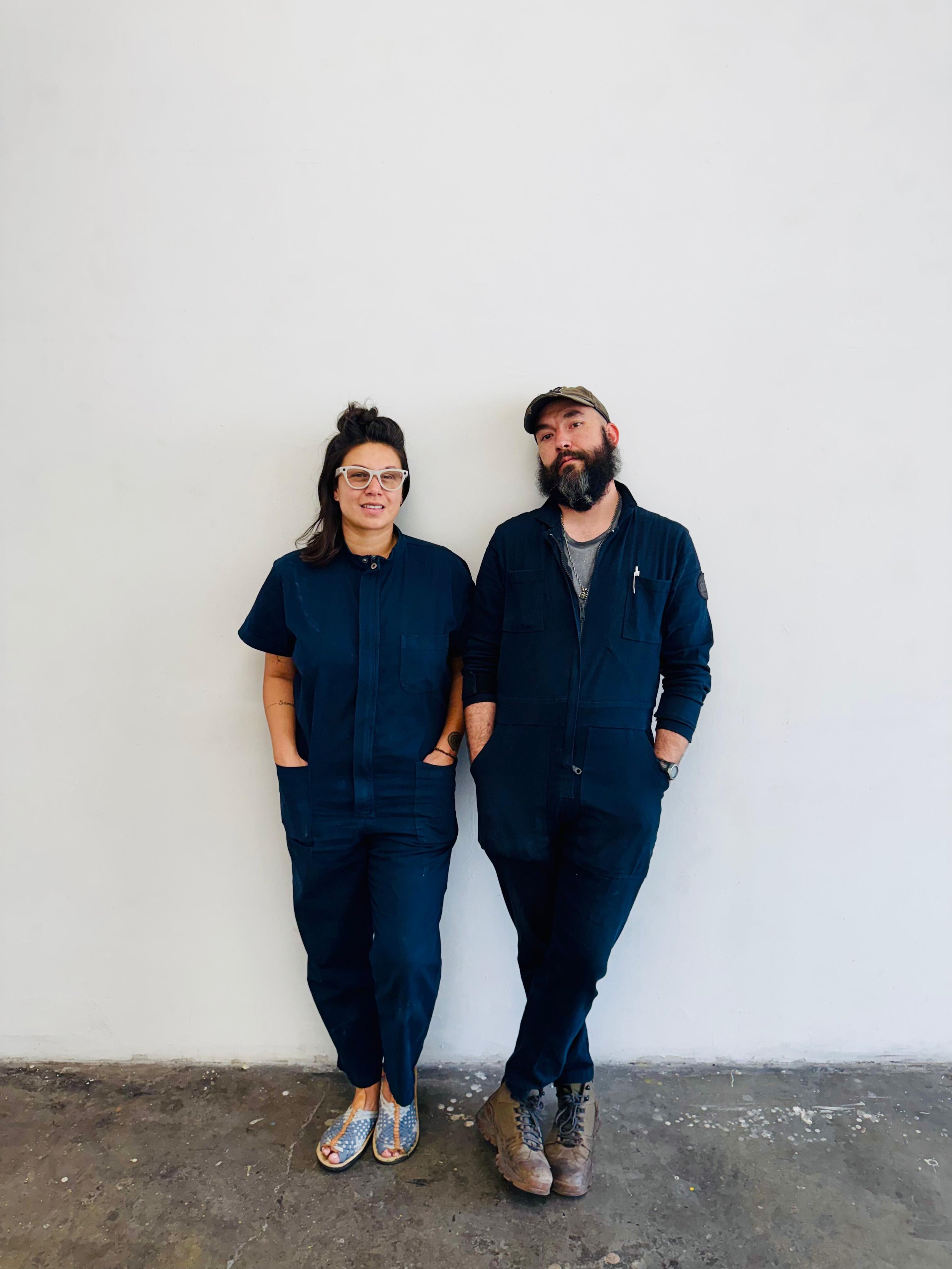
Johana Jaramillo y Mallinali Rubalcaba
MEXICO
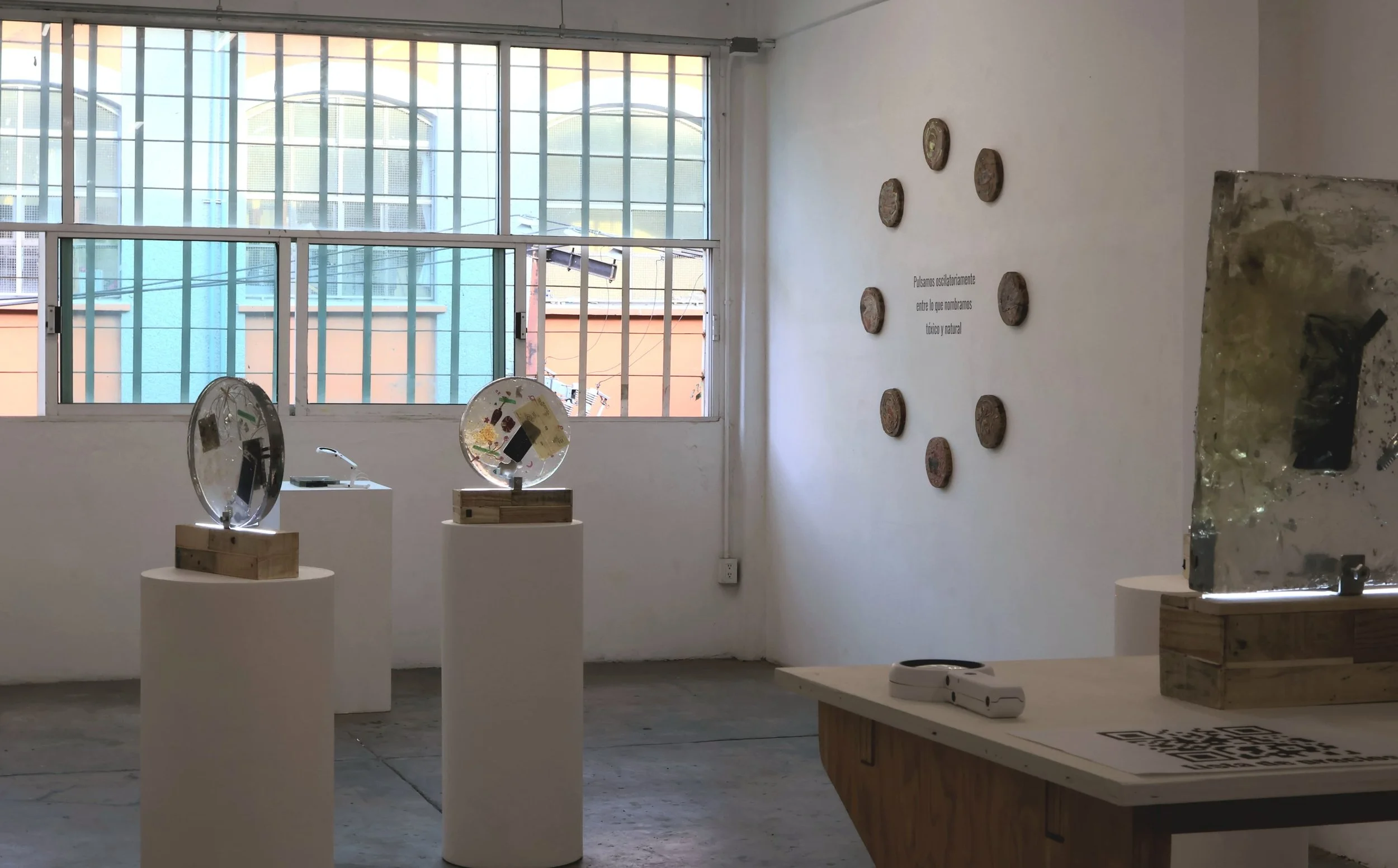
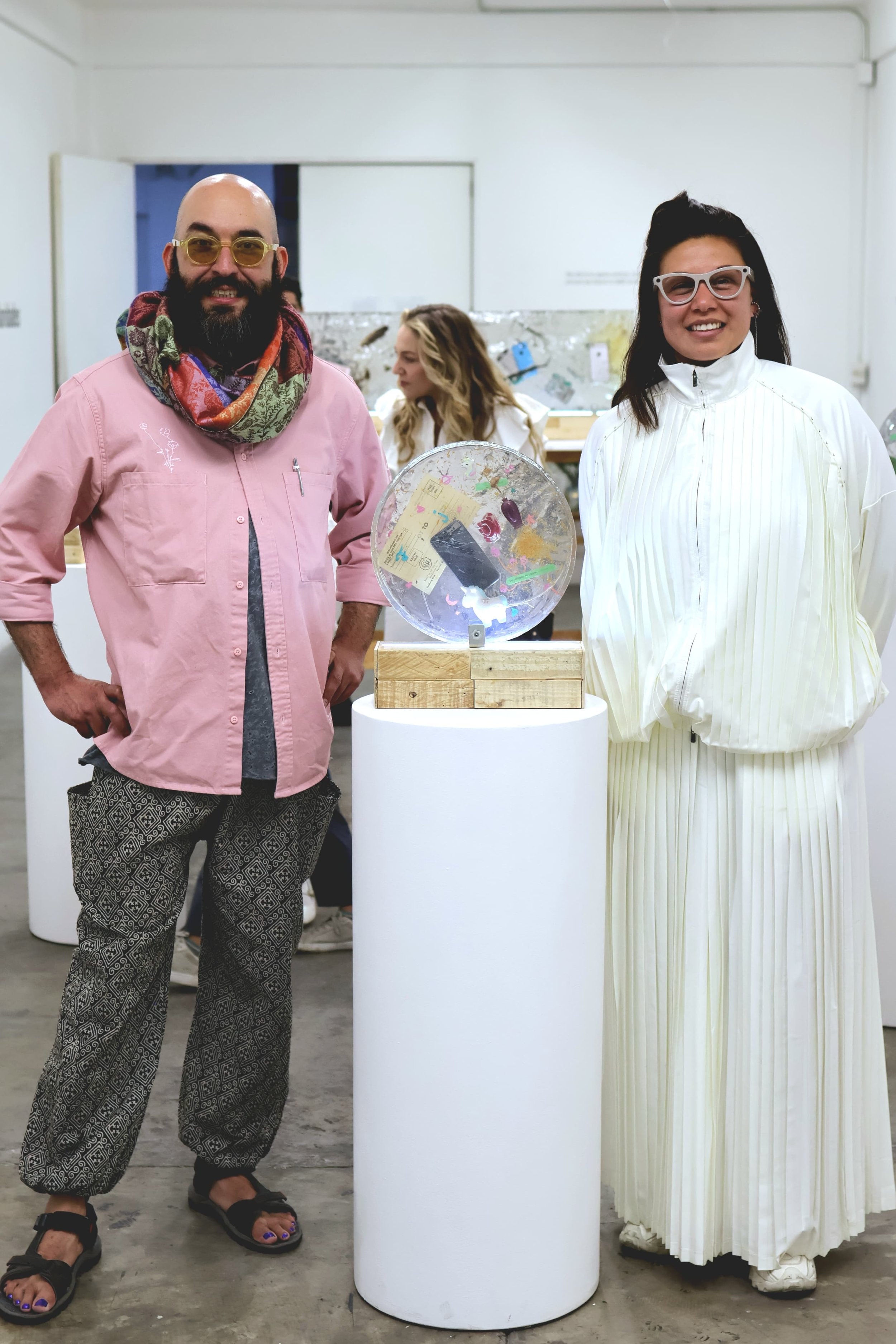
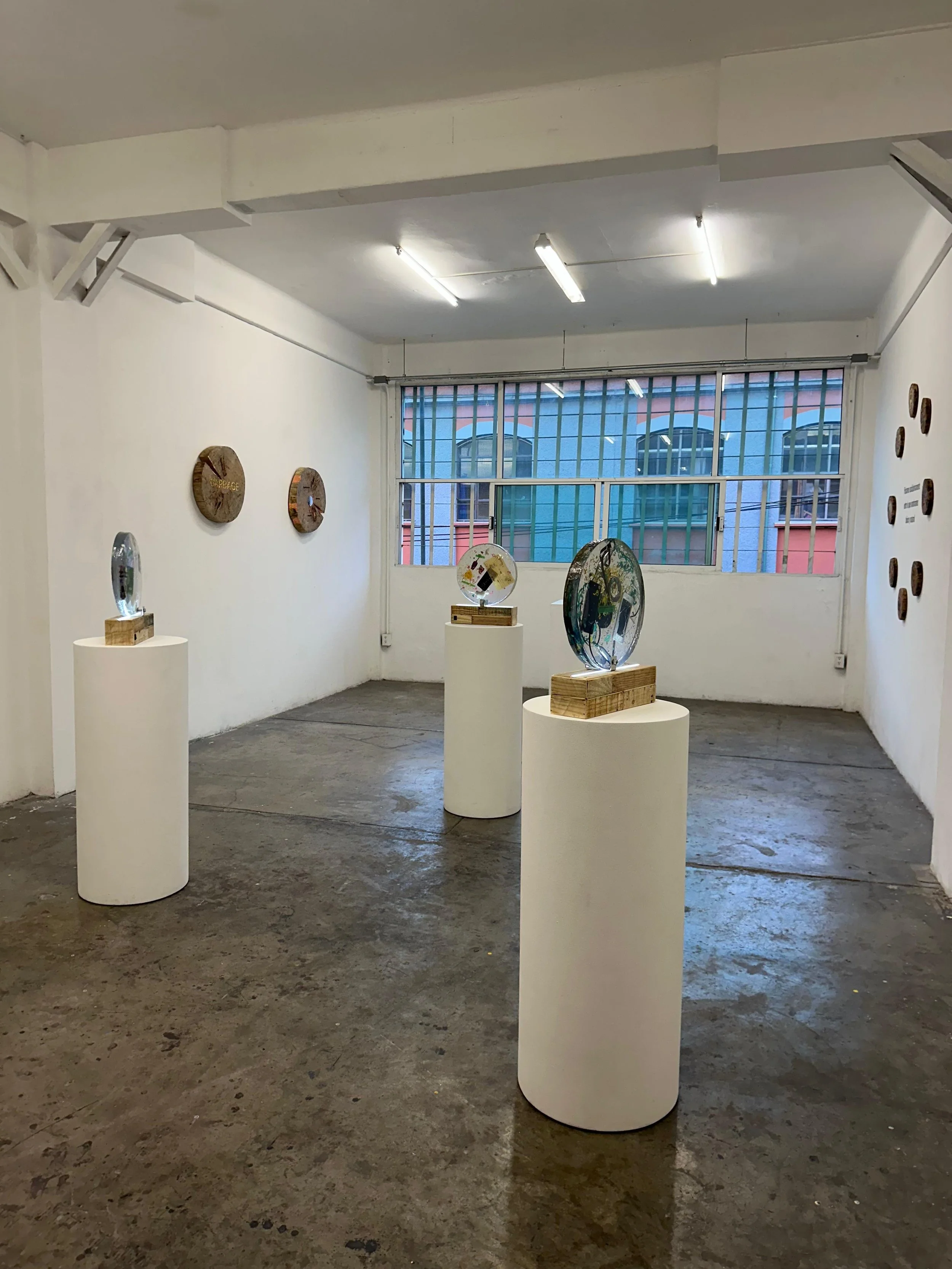
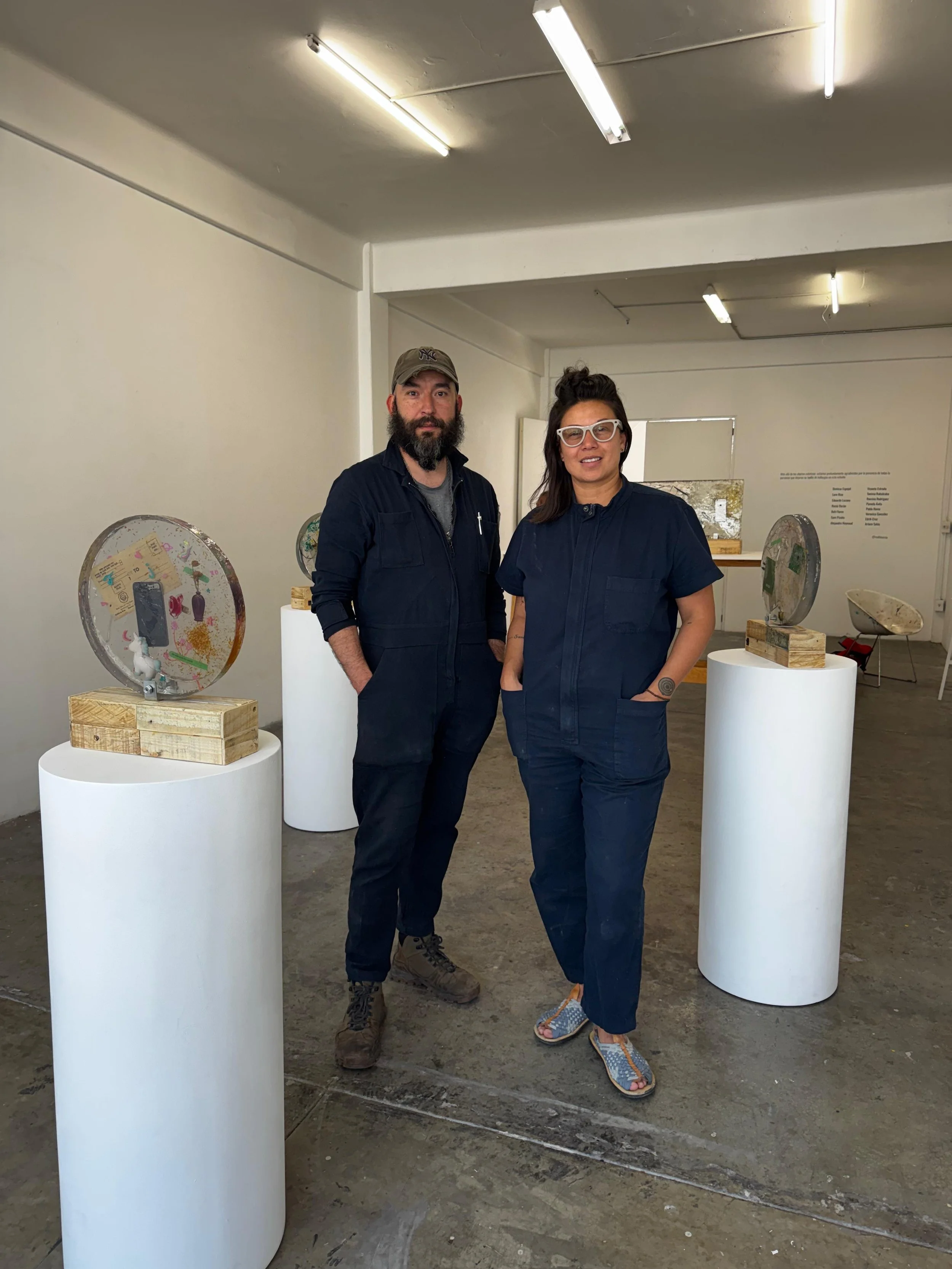
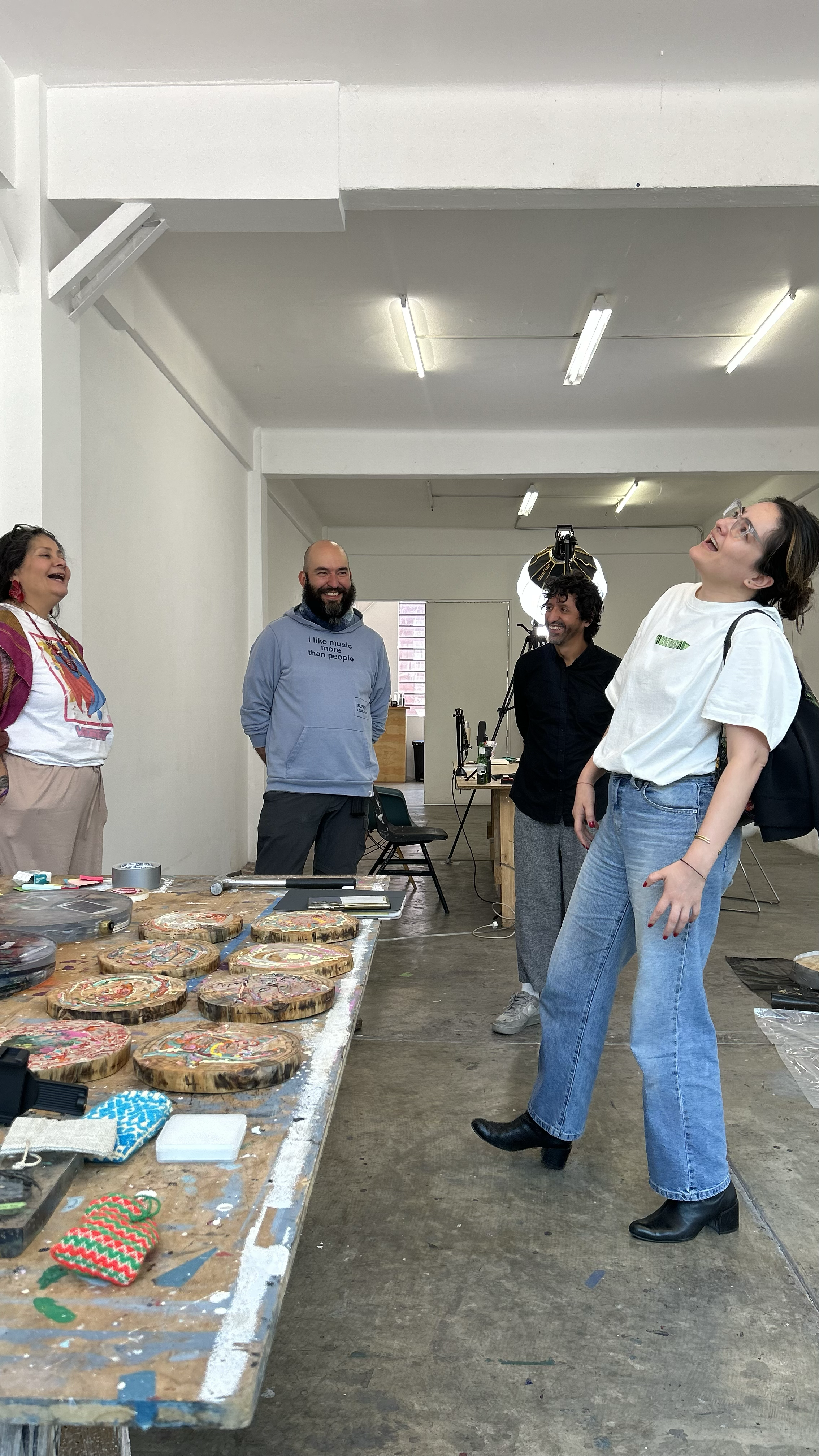
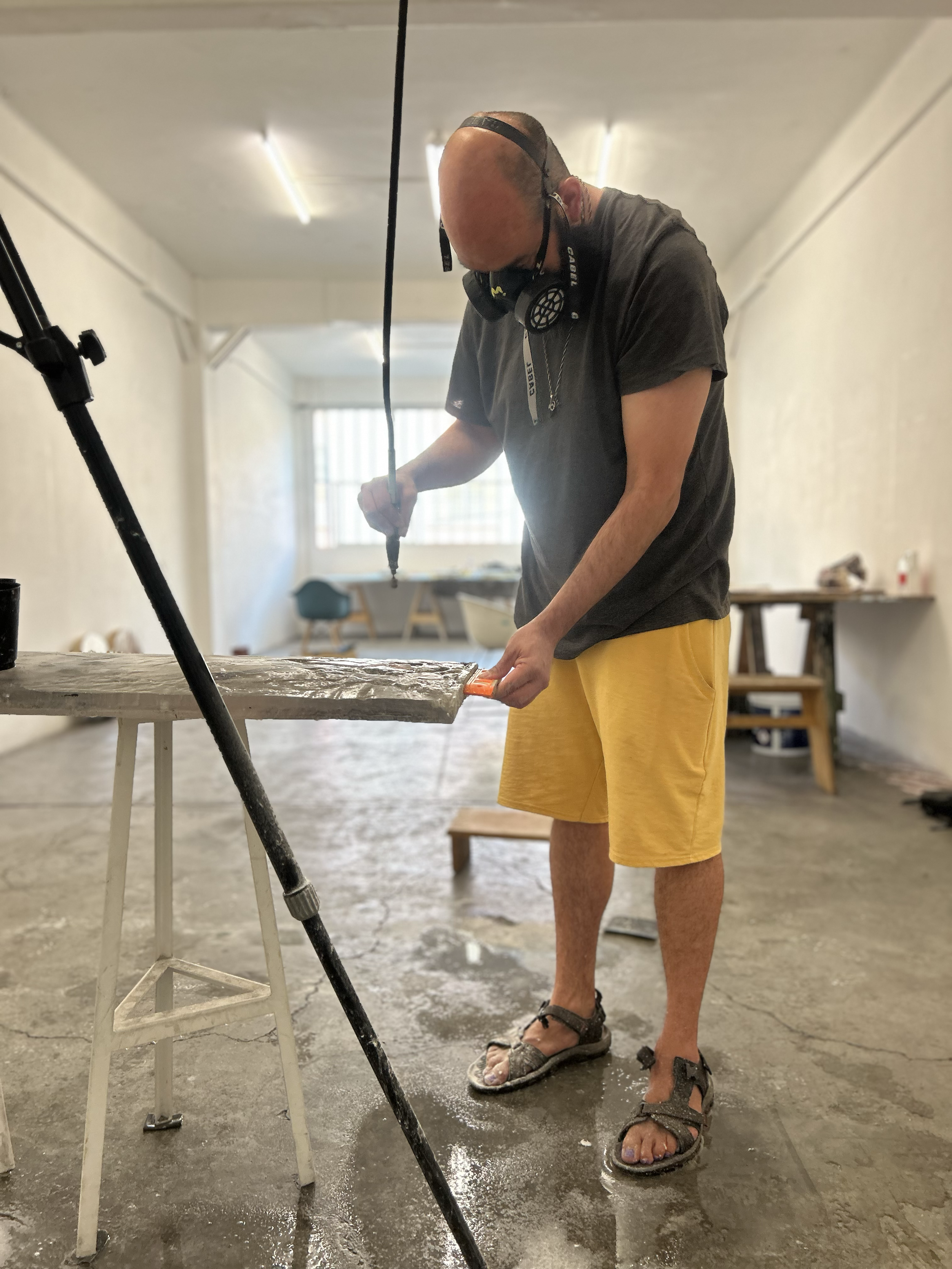
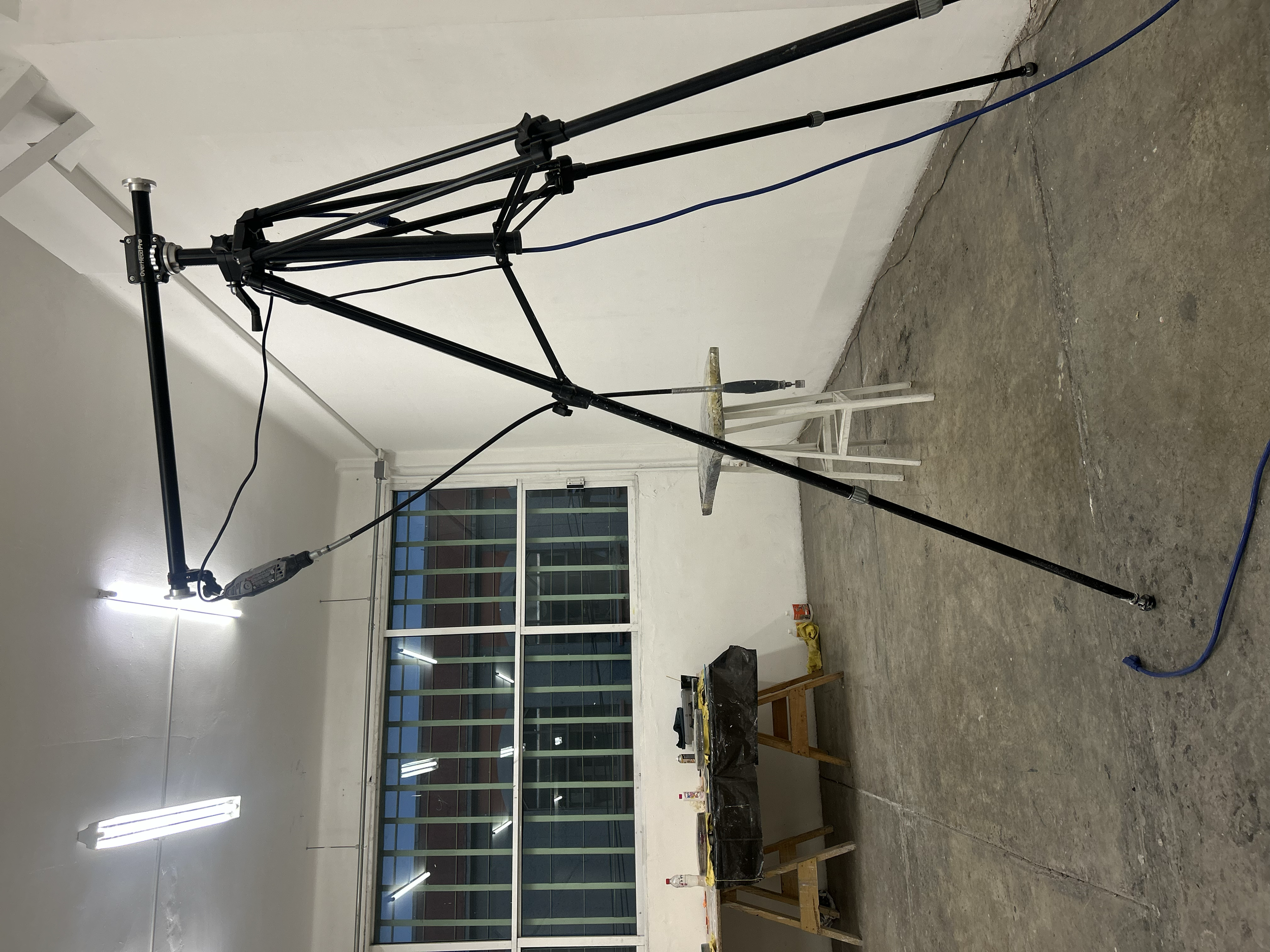
During their one-month residency at Lagos, the creative duo of Johana Jaramillo and Mallinali Ruvalcaba completed the physical and conceptual assembly of their research-based project, which explores redirecting affective energy—stemming from suffering or sadness—back toward oneself, in a kind of self-turning motion. Through a series of works that function as a powerful exercise in retroflection, the energy and pain derived from harmful emotional bonds and technological obsolescence cease to be projected outward and are instead processed internally through matter and creativity.
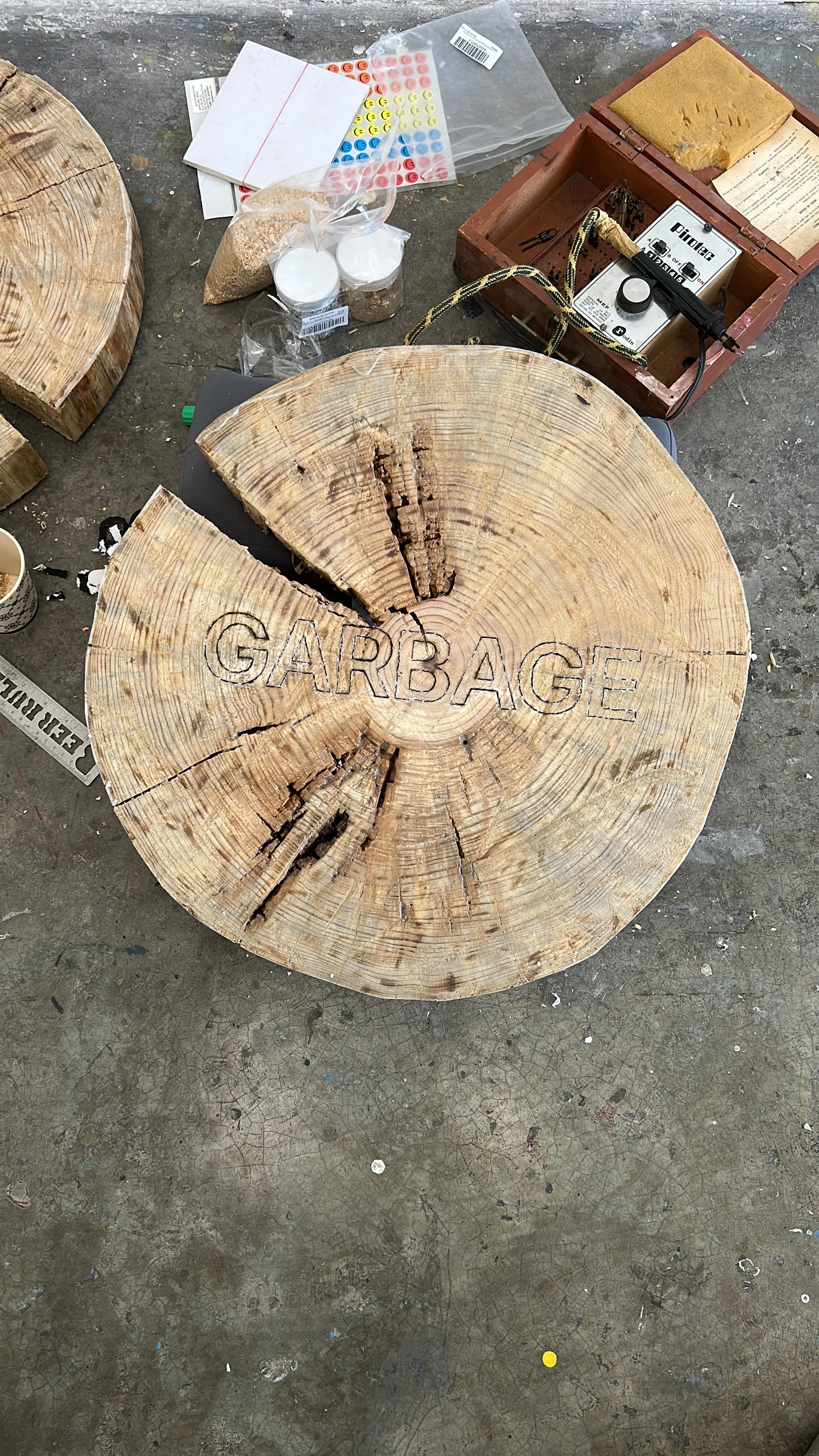
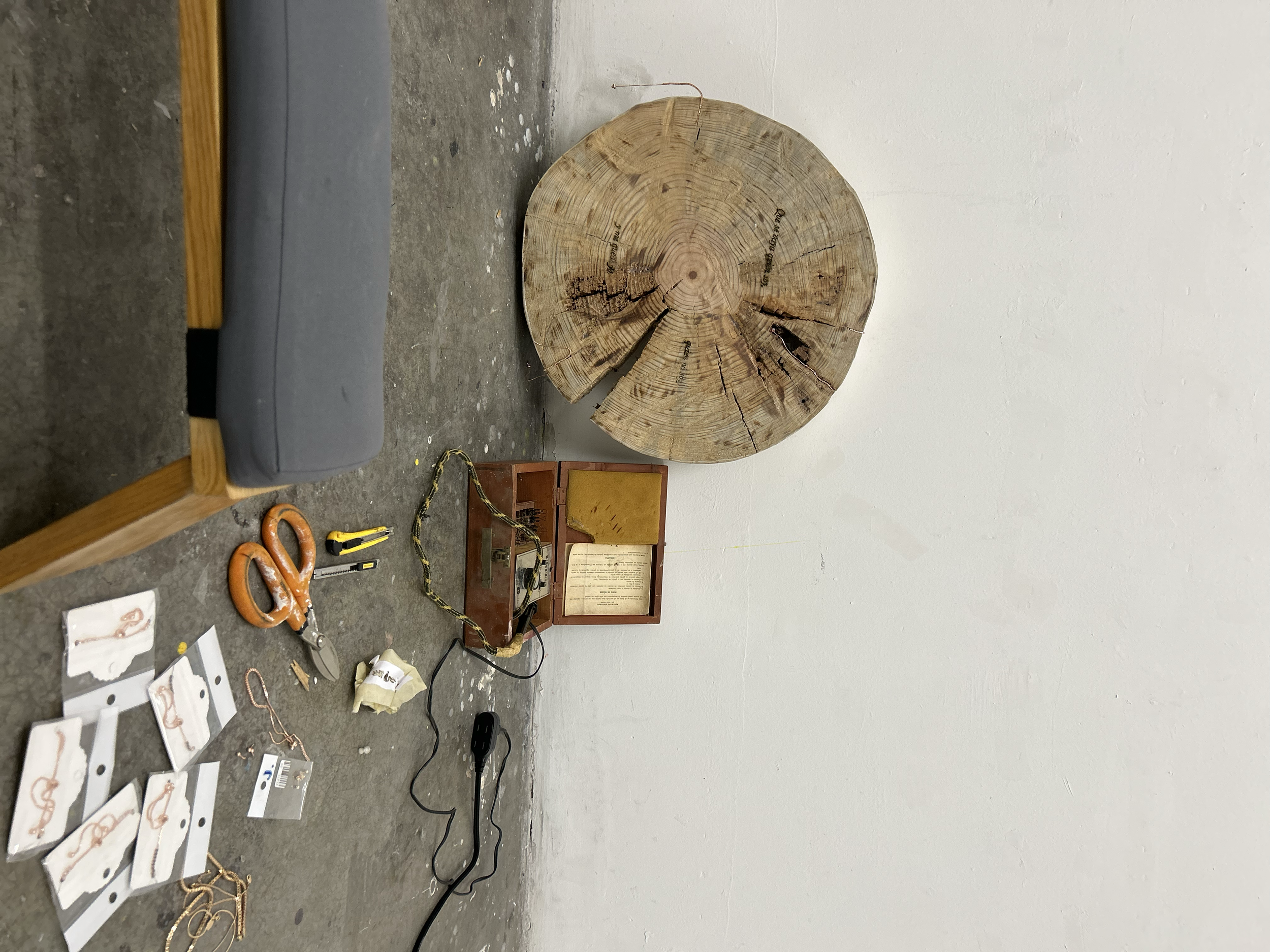
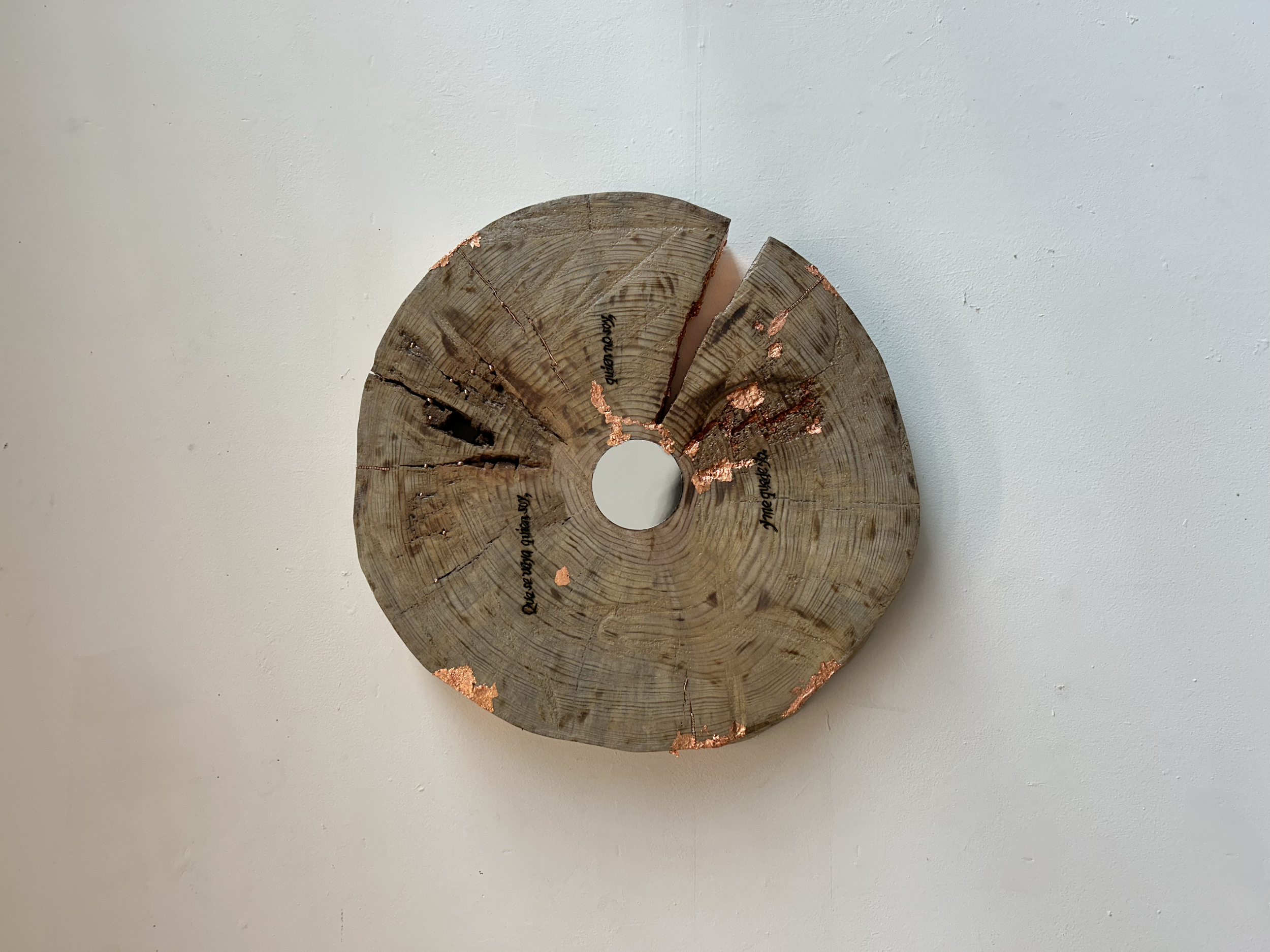
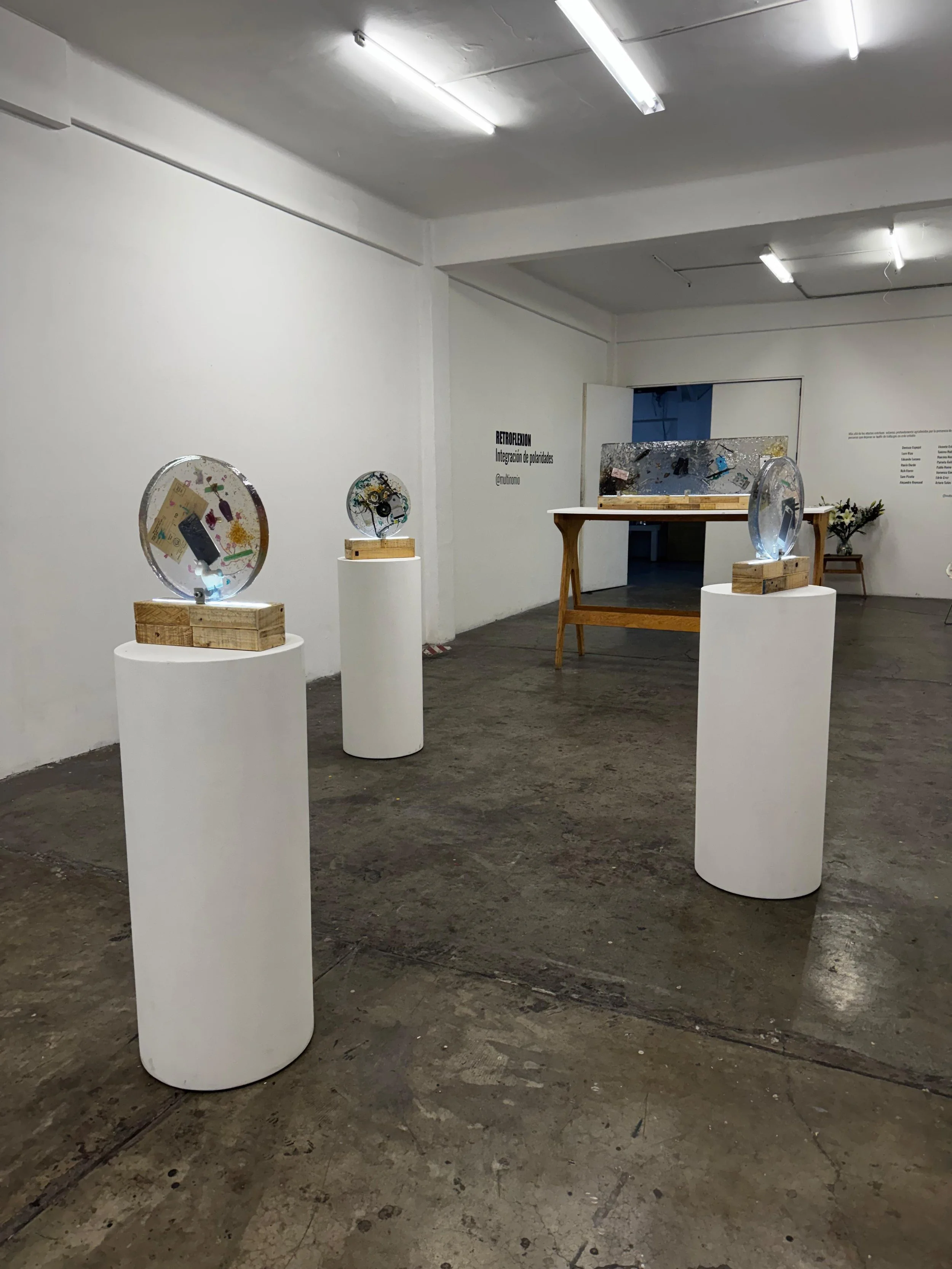
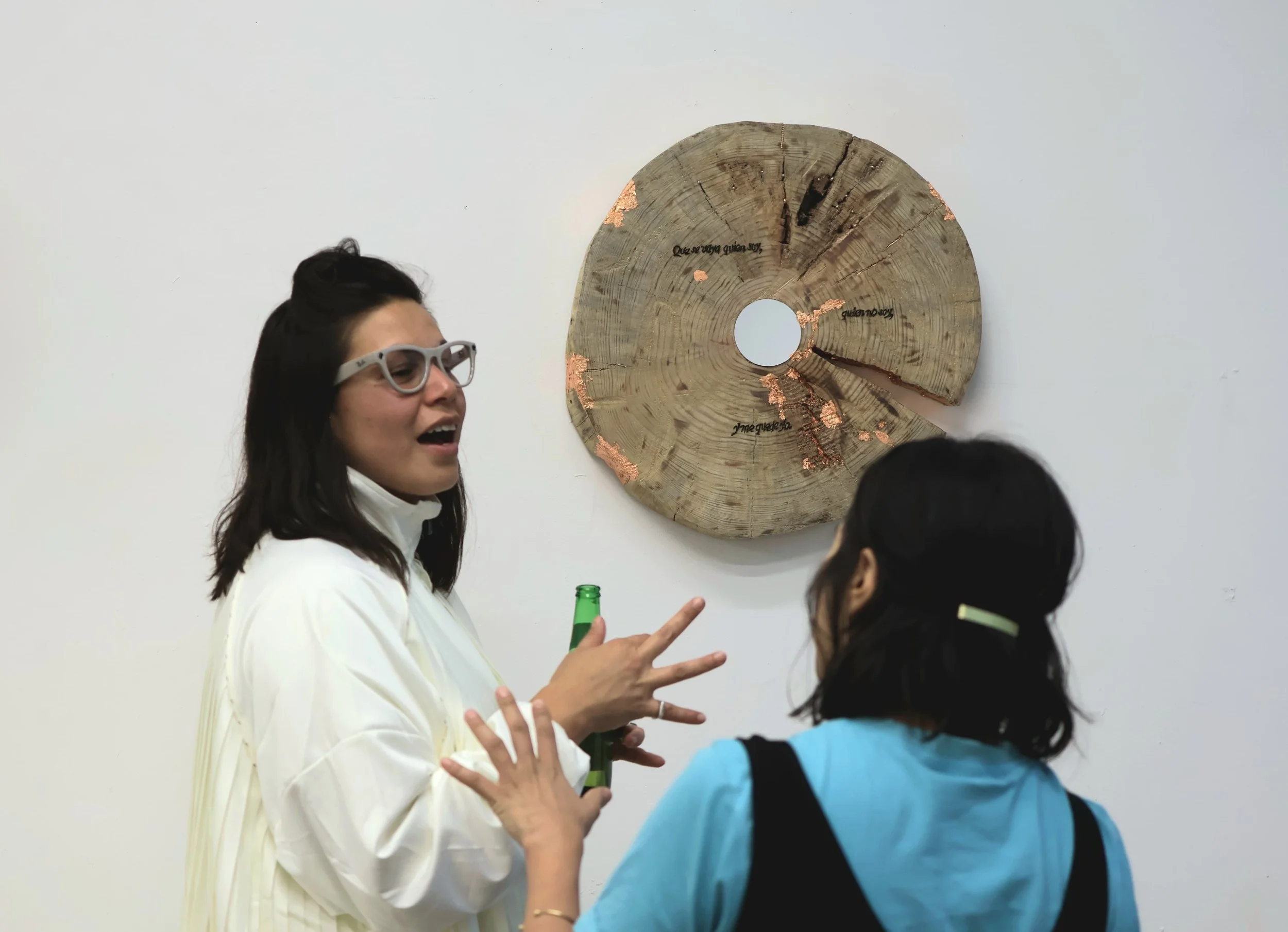
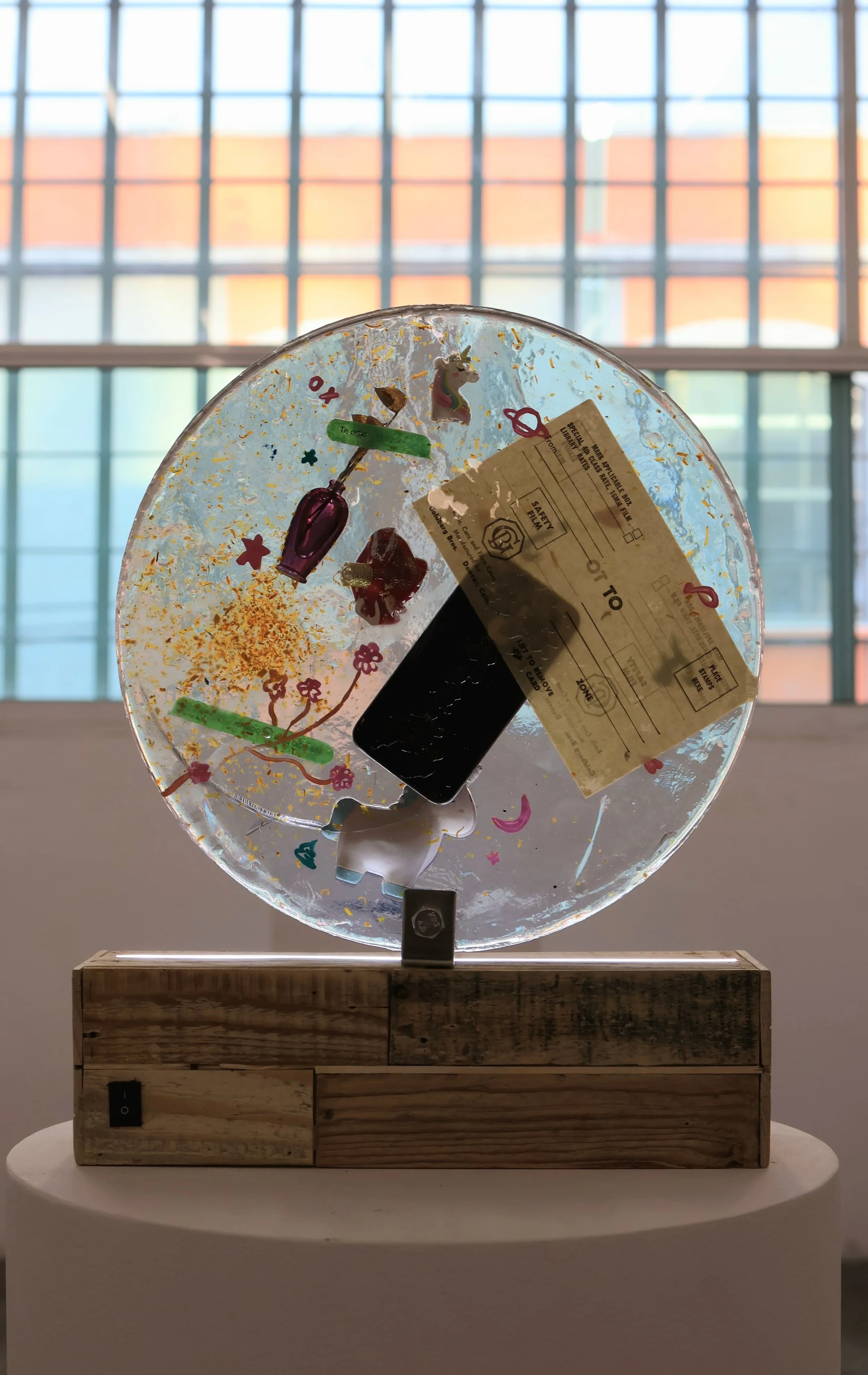
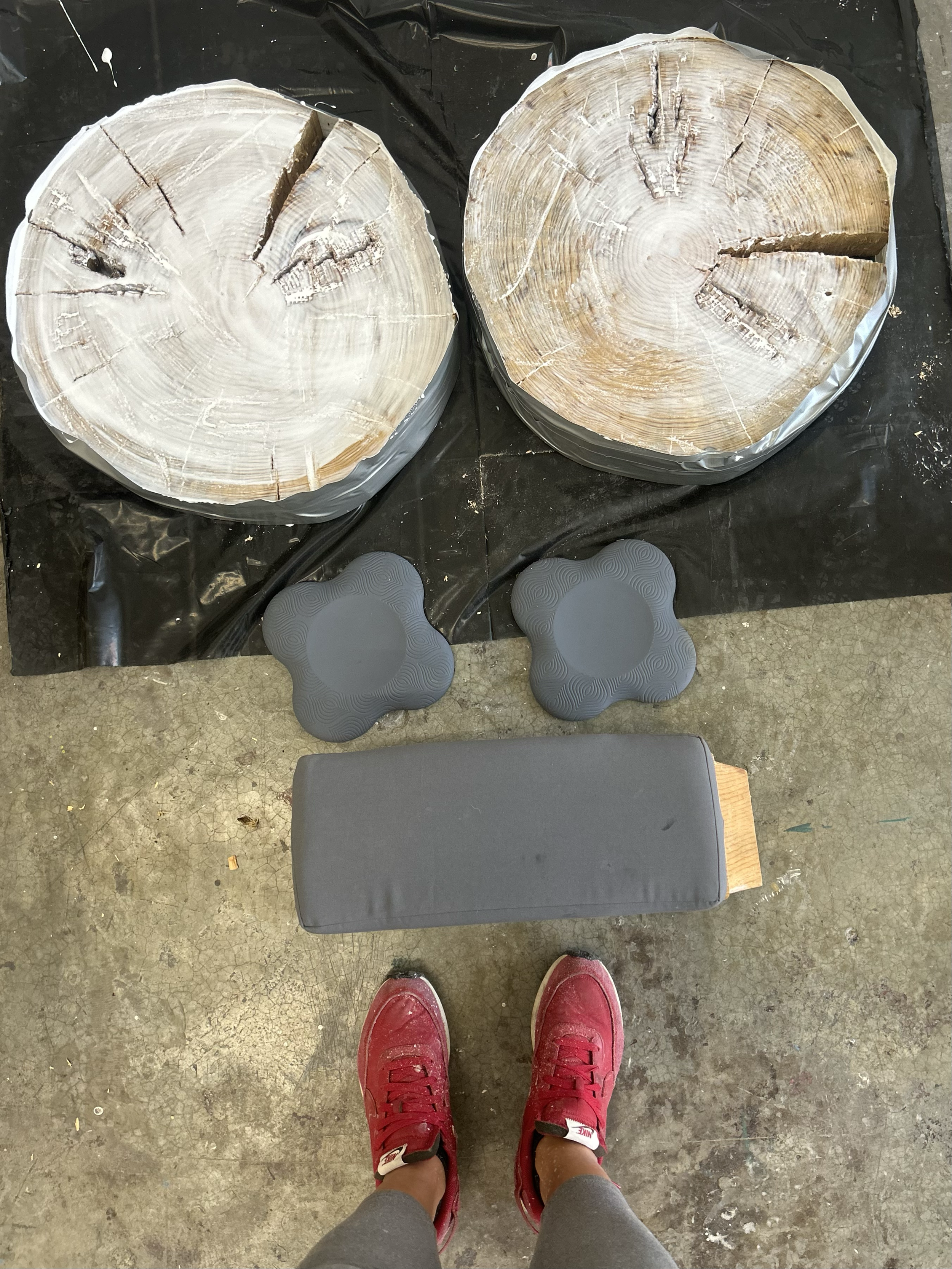
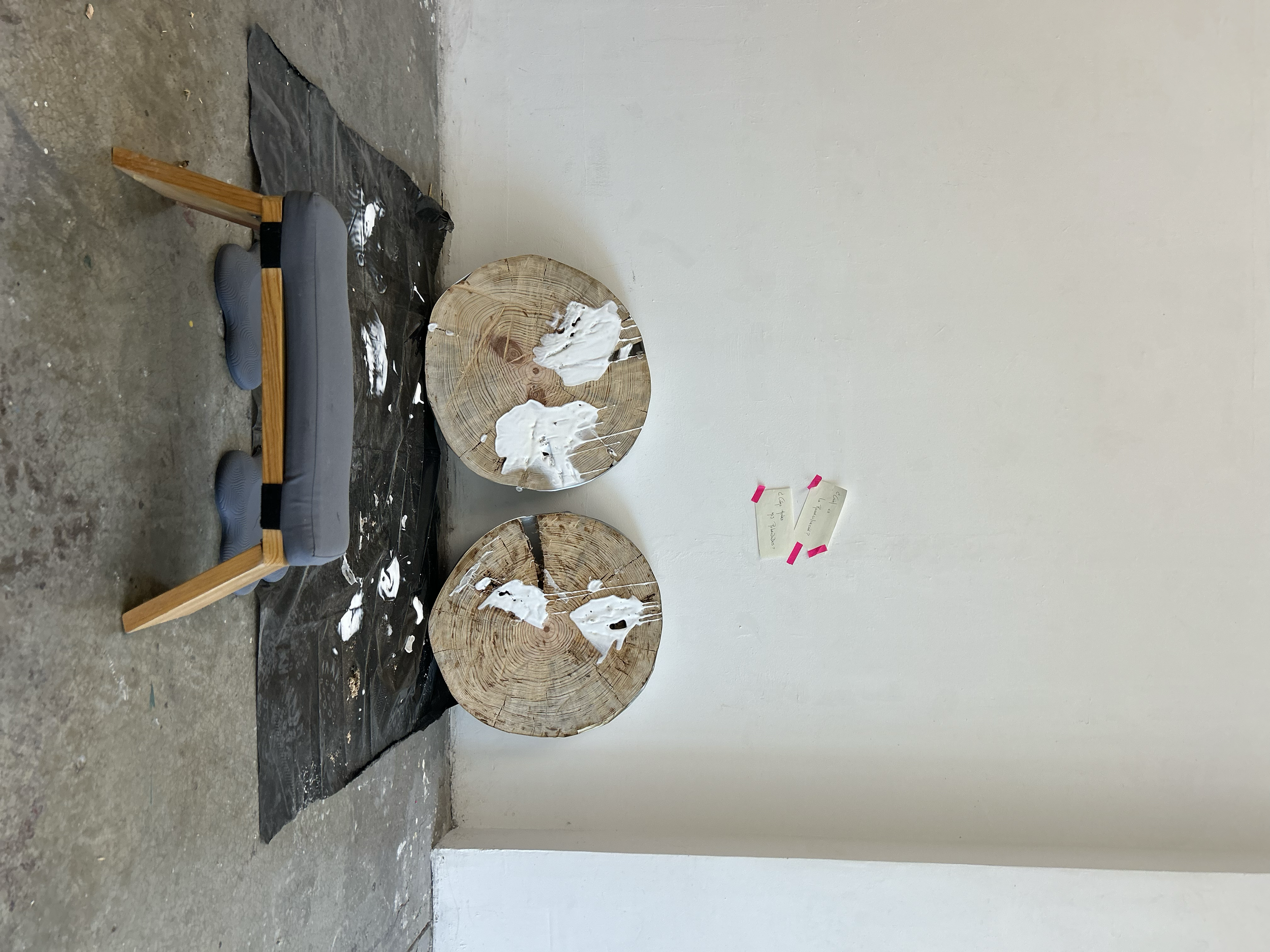
By encapsulating broken cell phones and phrases of toxic love in resin, the artists petrify emotional and digital residue, integrating it through an alchemical gesture with organic wood. This process transcends the binary view that separates the “natural” from the “artificial,” proposing a unified reality in which plastic, technology, and toxicity are not foreign elements but components of a new hybrid nature. Thus, what was once waste becomes part of a vital whole, demonstrating that overcoming dualism lies in the acceptance and integration of all our fractures.
Broken cell phones, found objects, and words of anger born from frustration function as the tangible residue of fractured communication. When brought together and intervened upon—worked through artistic practice to be transformed from isolated objects into an integrated and articulated unity through critical dialogue—they cease to be tools of pain and become objects of active contemplation. They move beyond aesthetics understood as philosophy of art or beauty, becoming instead catalysts for a sensitive and relational practice, manifesting the learning and awareness involved in the process of “taking responsibility” for one’s own emotional shadow.
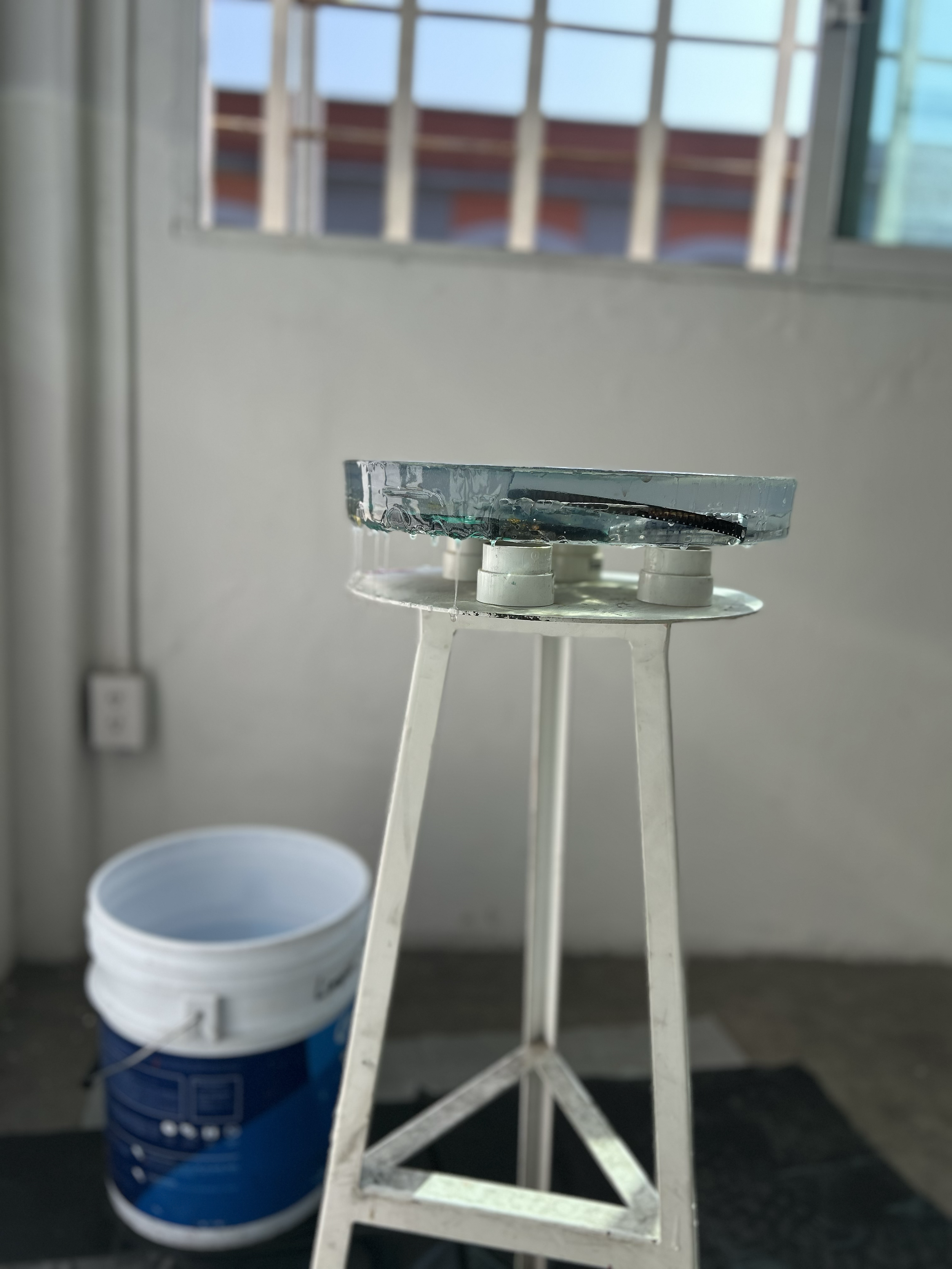
The use of resin acts as an alchemical agent that suspends time and degradation. By encapsulating technological components and toxic language, alongside objects found in the forest, both artists create a kind of “contemporary fossil” that halts the narrative of conflict, allowing for its observation, acceptance, reflection, and integration. Here, plastic and byproducts considered “toxic” lose their stigma as contaminants of the spirit and are transformed into elements of a new aesthetic: a practice with the other.
Resin not only preserves but also amalgamates what was once broken, symbolizing healing through the acceptance of digital and emotional traces.
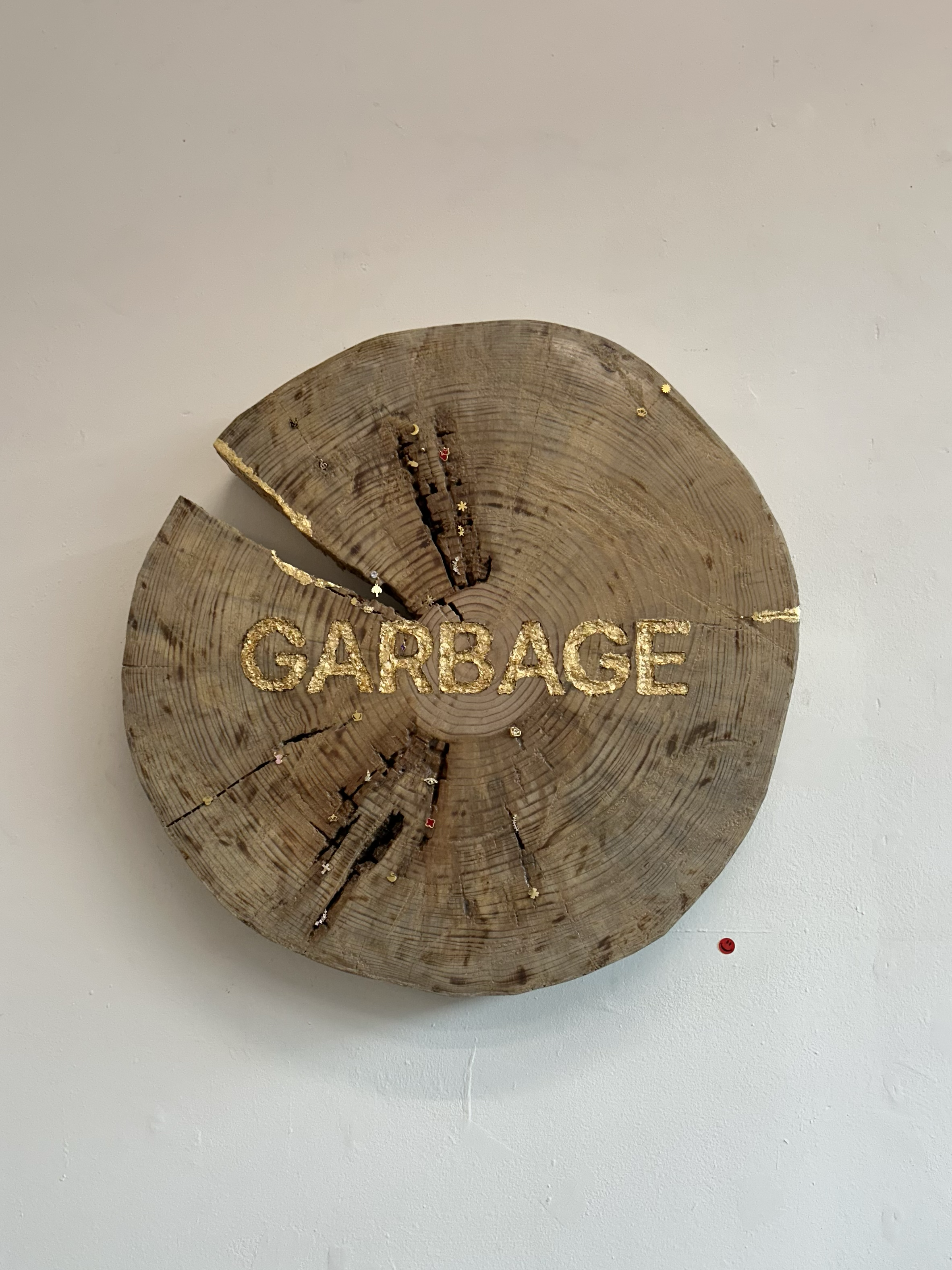
The philosophical core of this work lies in overcoming the dualistic and binary understanding of existence. Rather than maintaining the traditional dichotomy that separates the natural (good/pure) from the technological (bad/artificial), the work proposes a radical symbiosis. In the resin encapsulations and in the assemblages of mass-produced objects with copper leaf, by embedding these synthetic elements into wood—a living, organic, and noble material—the boundary between forest and factory is dissolved. This integration suggests that reality is not divided into fixed compartments but is instead a continuous, rhizomatic fabric where the organic and inorganic coexist within a new form of hybrid nature. It also gestures toward the visualization of what might be called post-materials—what has begun to be referred to as “plastistones”: new geological materials formed by the fusion of plastic waste with natural elements such as sand, rocks, shells, or wood fragments, bound together by melted plastic.
Finally, the works that Johana and Mallinali present in their Open Studio propose that restoring our understanding of “Nature,” and evolving thought toward what has been termed sympoiesis—making-with—does not emerge from the eradication of the “toxic,” but from its systemic integration. By bringing together obsolete technology (machine-made matter) and the remnants of harmful love or unrest (human emotion) with the warmth of wood (organic matter), Jaramillo and Ruvalcaba achieve a synthesis in which pain becomes structure and processed waste becomes art. The result is a unified reality that accepts scars as part of a vital whole, showing that human beings are capable of assimilating their own emotional and physical toxicity in order to reconstruct themselves as more complex, integrated beings with fewer loose fragments—seeking to connect emotion with intellect while fostering an expanded awakening that promotes both personal and social awareness.
olgaMargarita dávila
Chief curator
.