MEXICO CITY RESIDENT - 2026
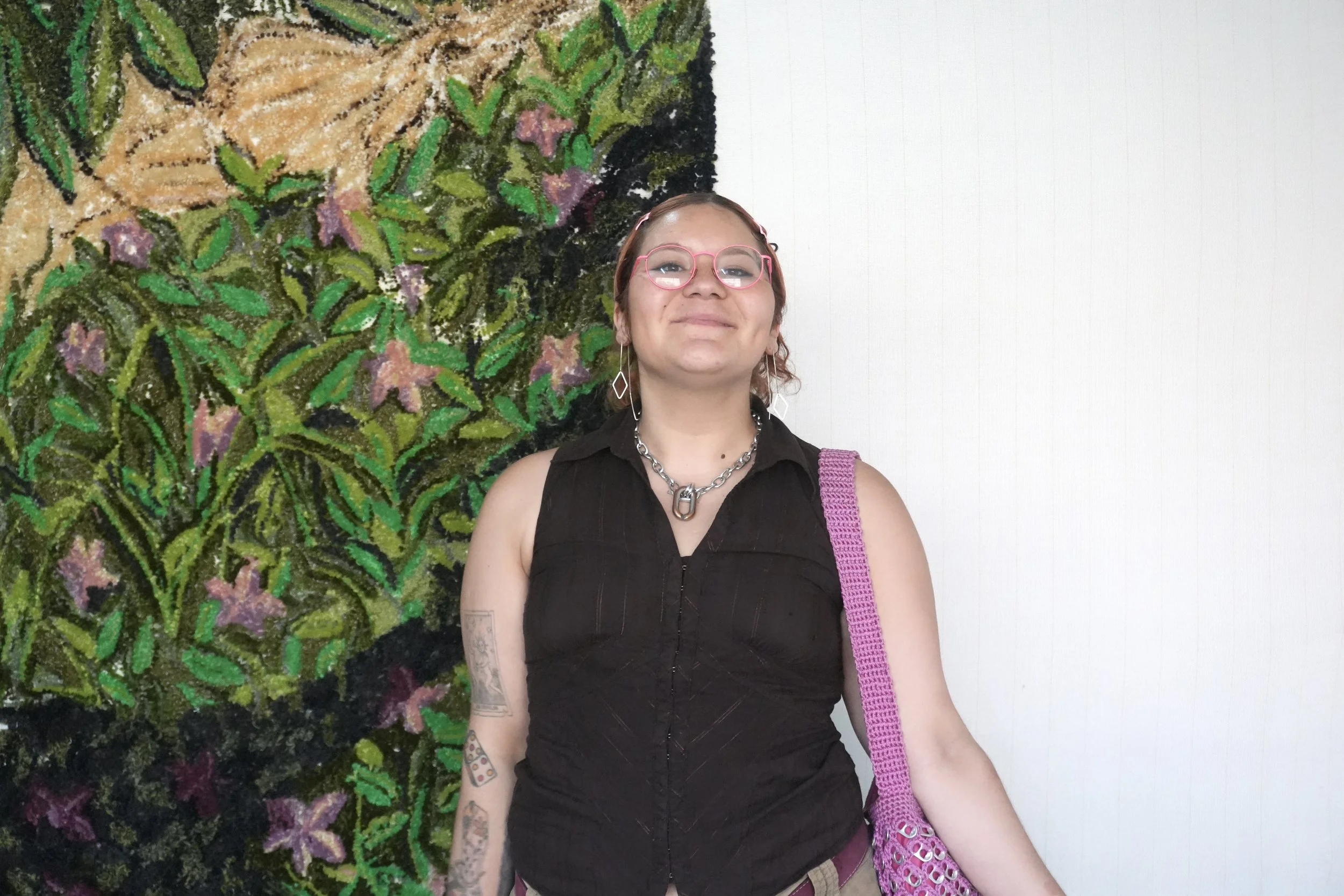
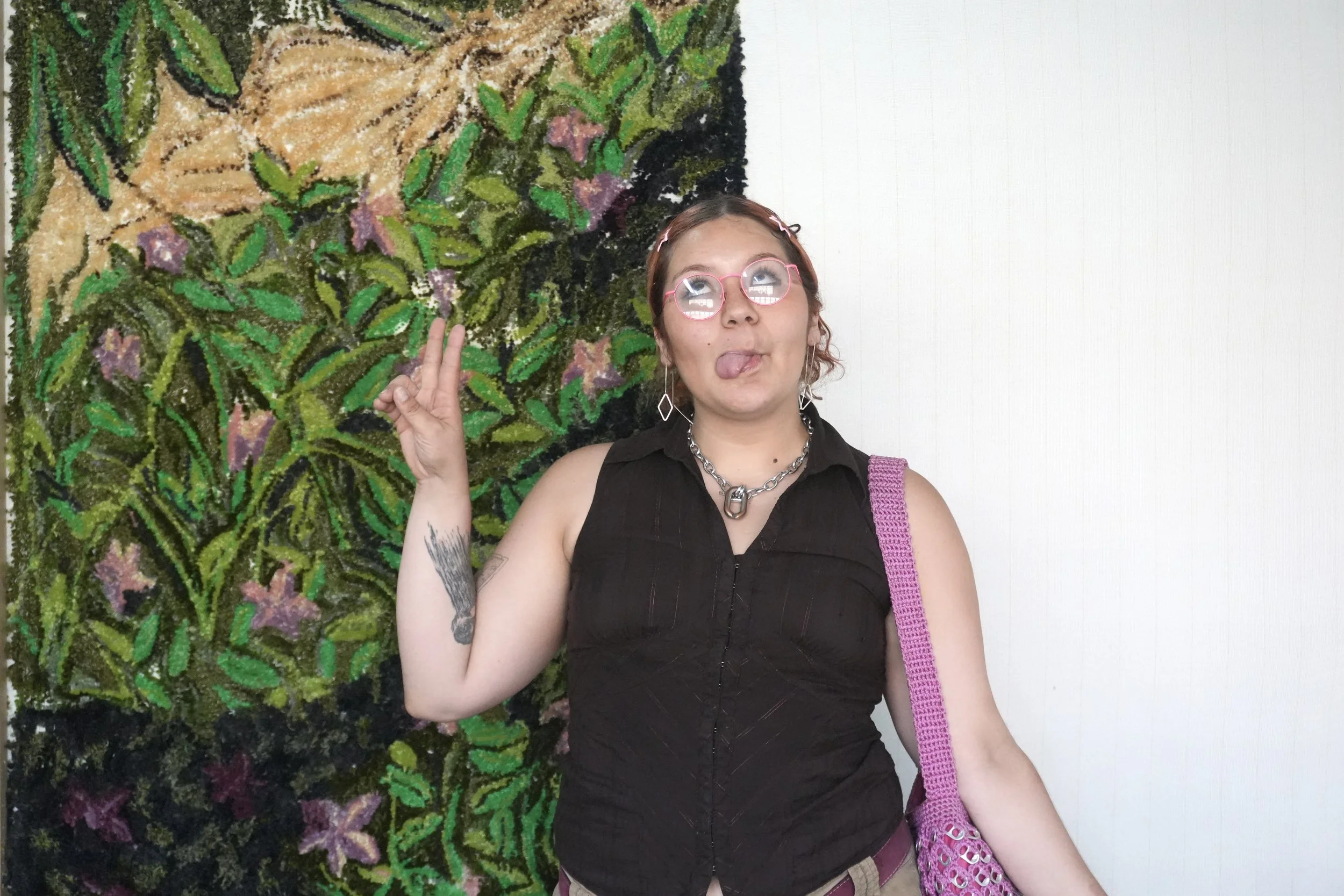
Miranda Varo
MÉXICO
Con el Arma de la ternura
Miranda Varo y la re-configuración del paisaje herido
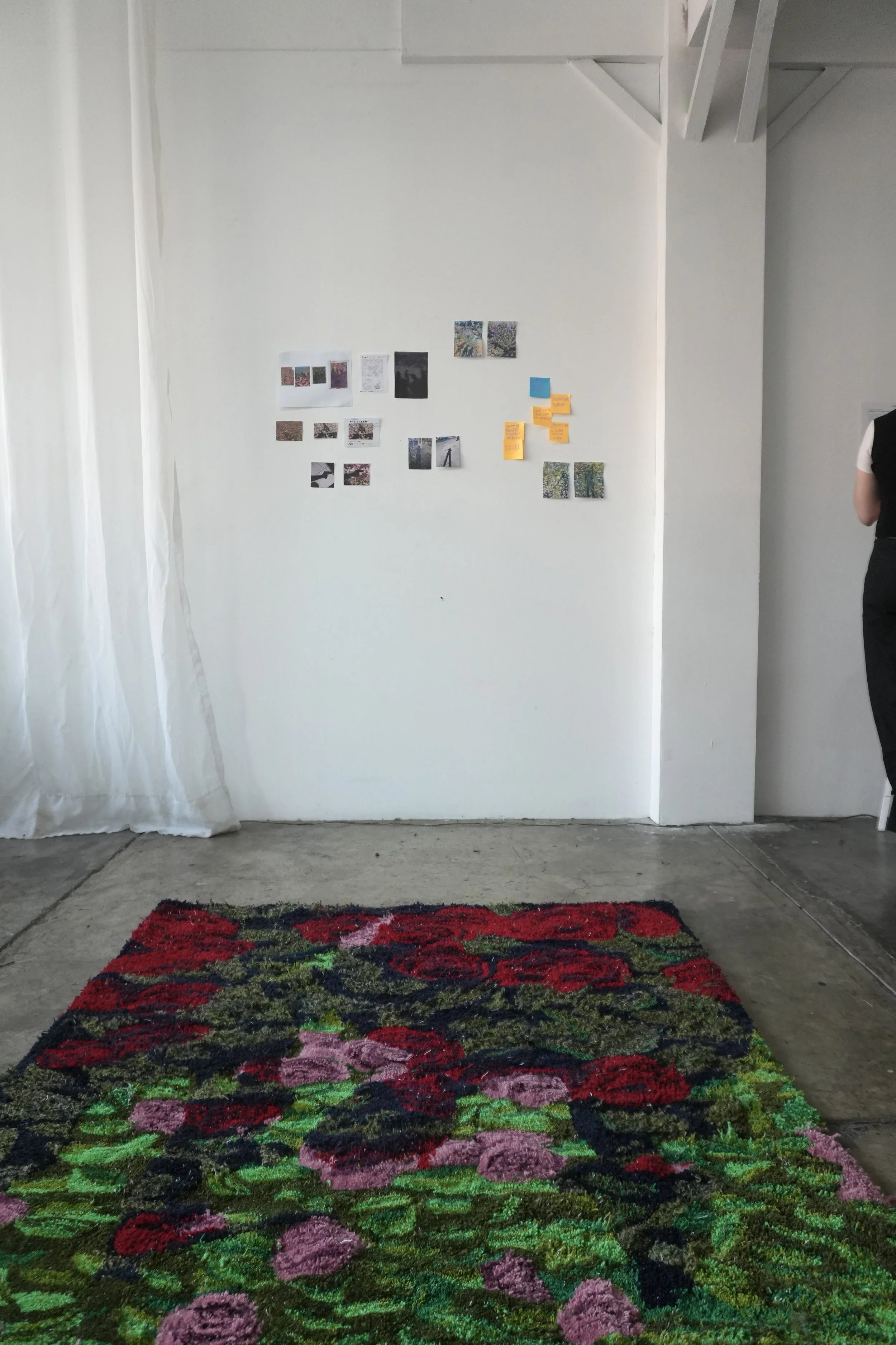
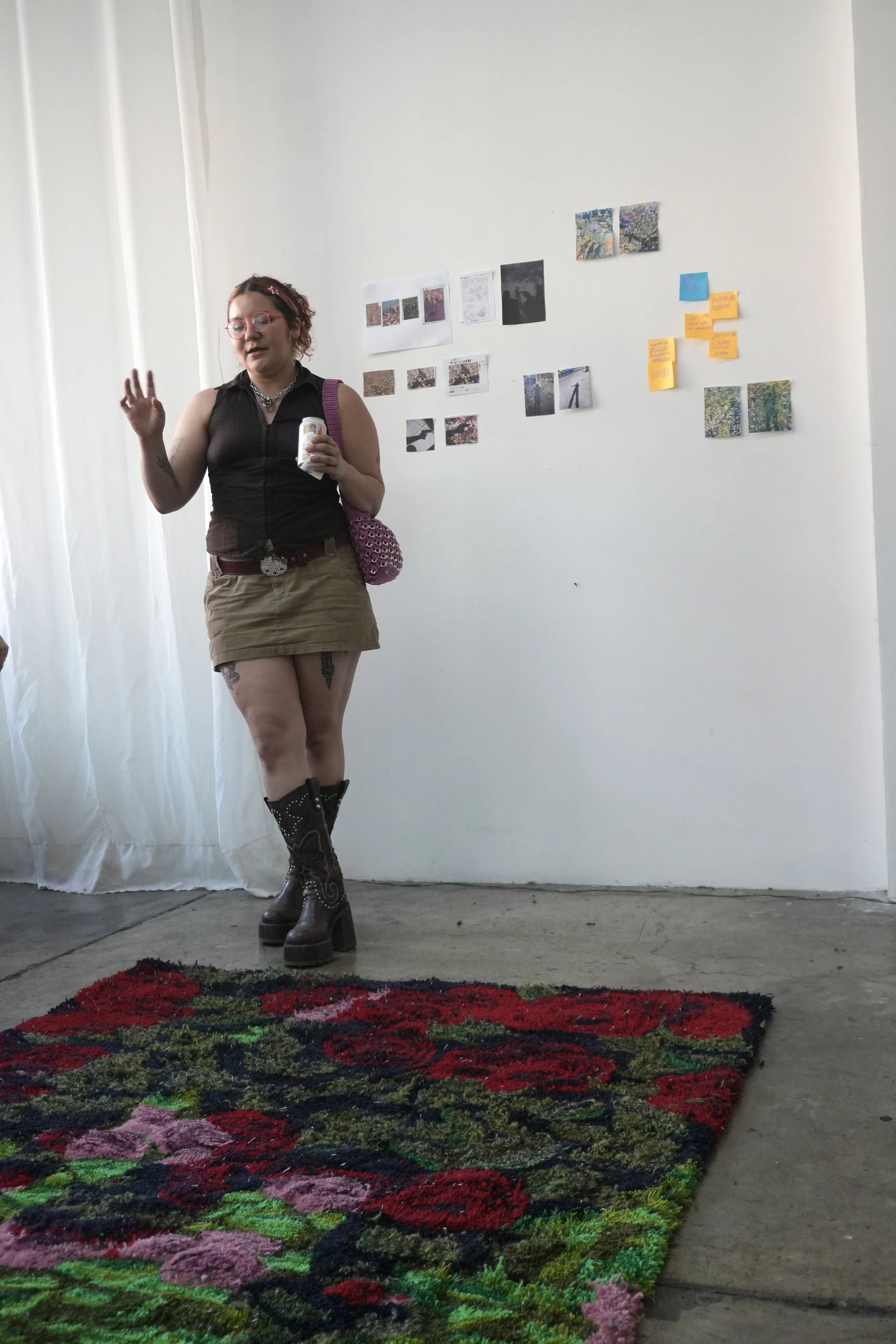
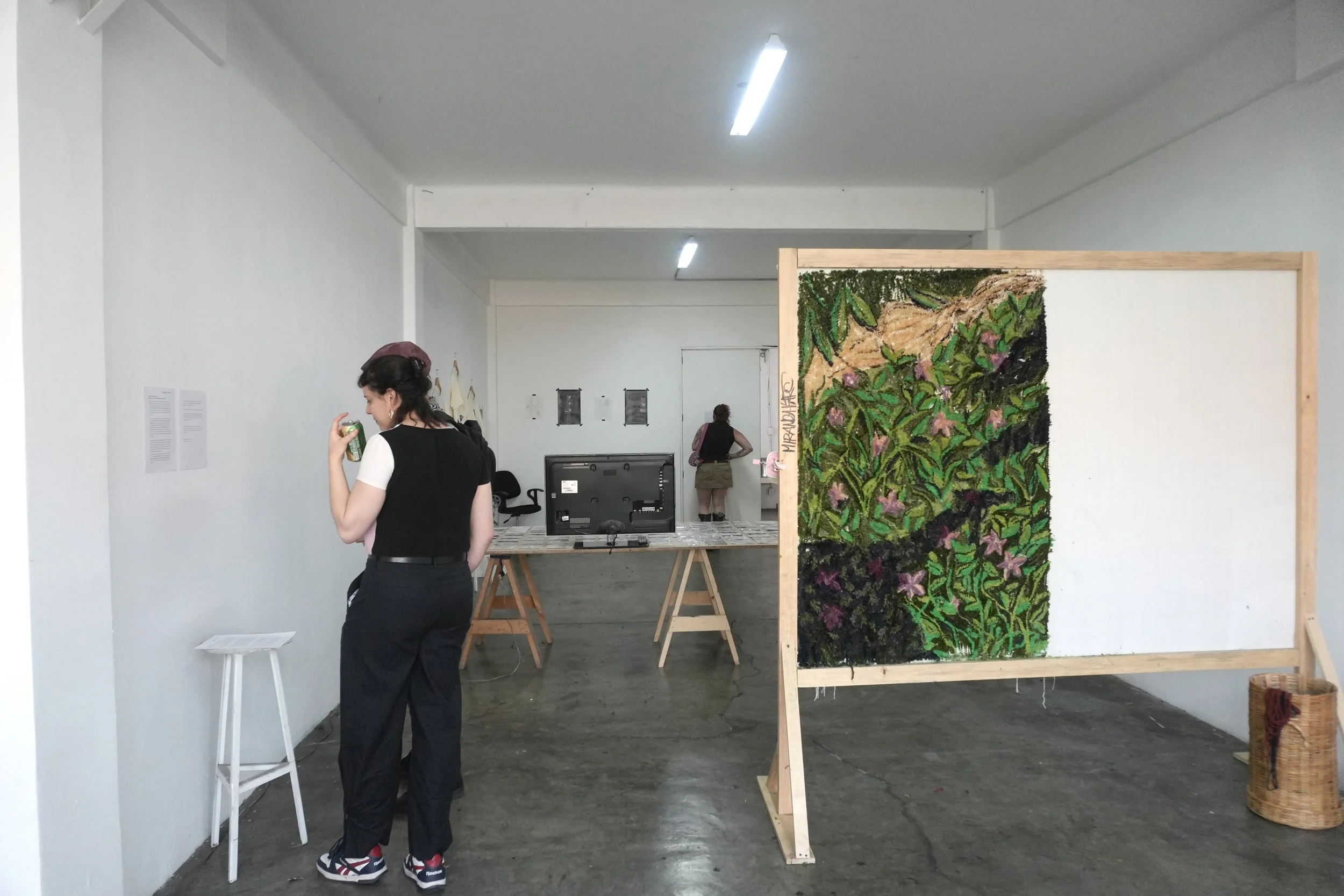
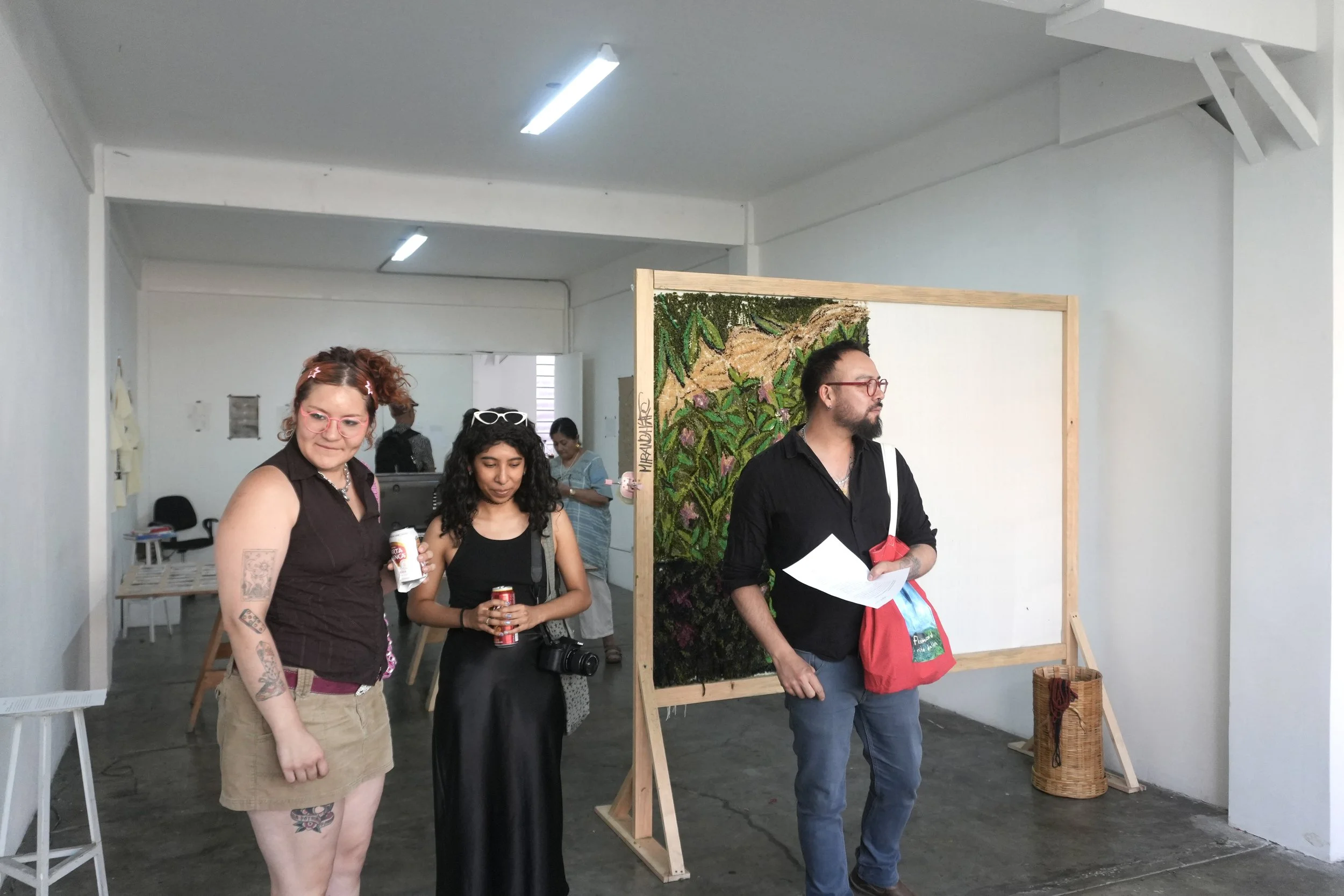
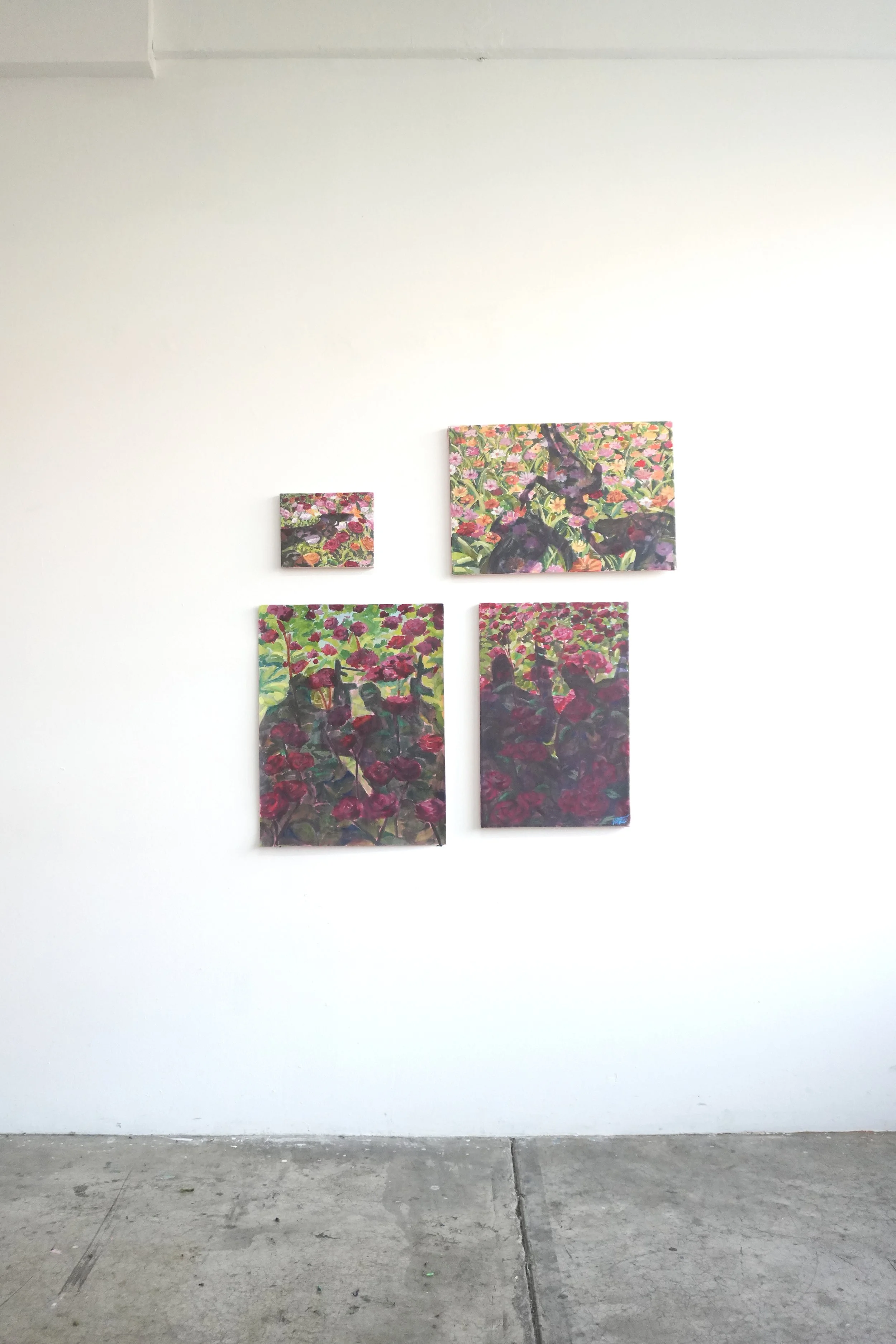
Desde un arraigo profundo en su contexto familiar bajacaliforniano, Miranda Varo presenta en su residencia en lagos|estudios y residencias una obra que funciona como un campo de batalla subvertido. Su propuesta no solo es estética, sino que articula una visión de feminismos decoloniales, territoriales y antipatriarcales, donde el cuerpo y el territorio se funden en una sola superficie de resistencia. En esta pieza, el textil deja de ser un objeto pasivo para convertirse en una herramienta de re-contextualización de la violencia.
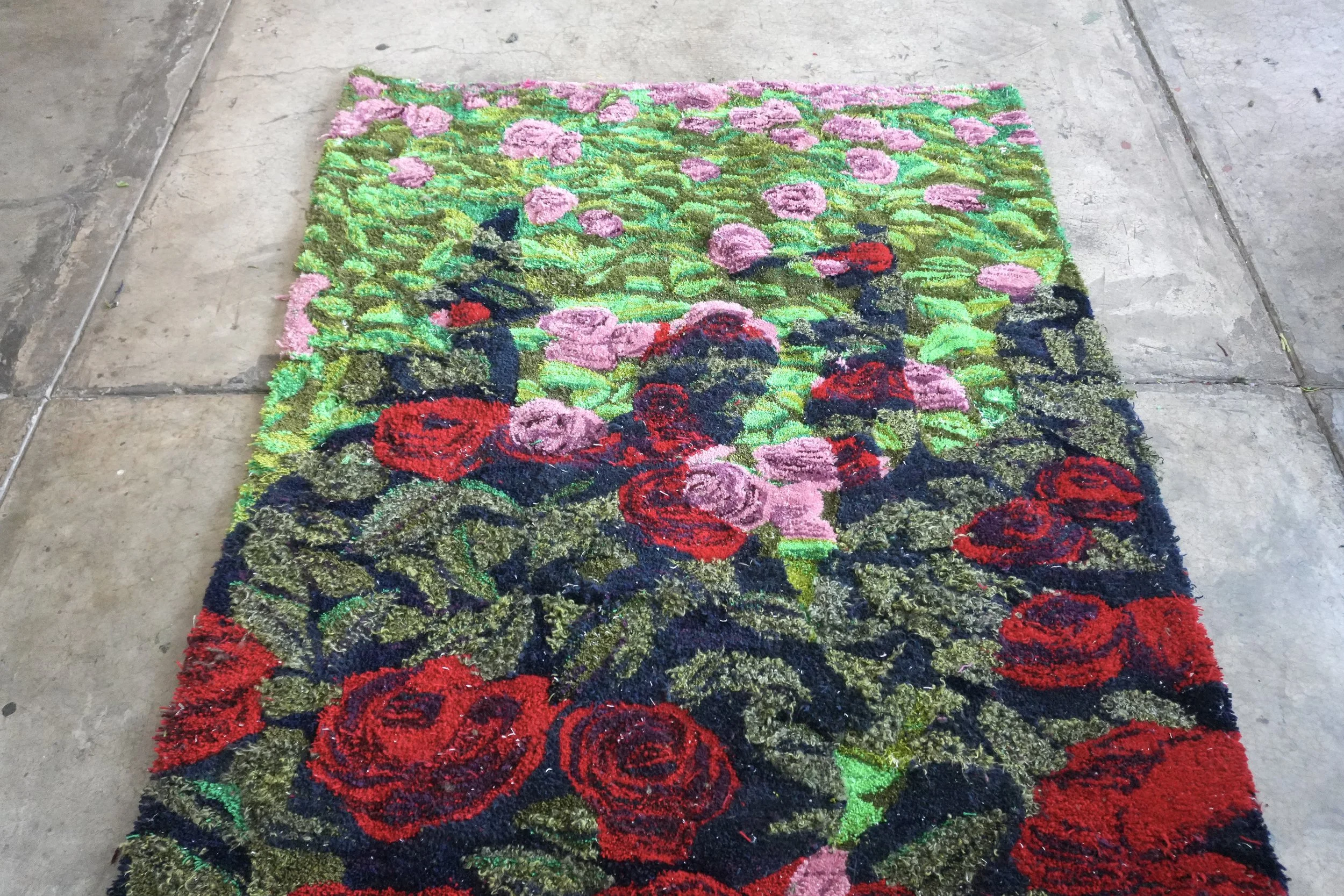
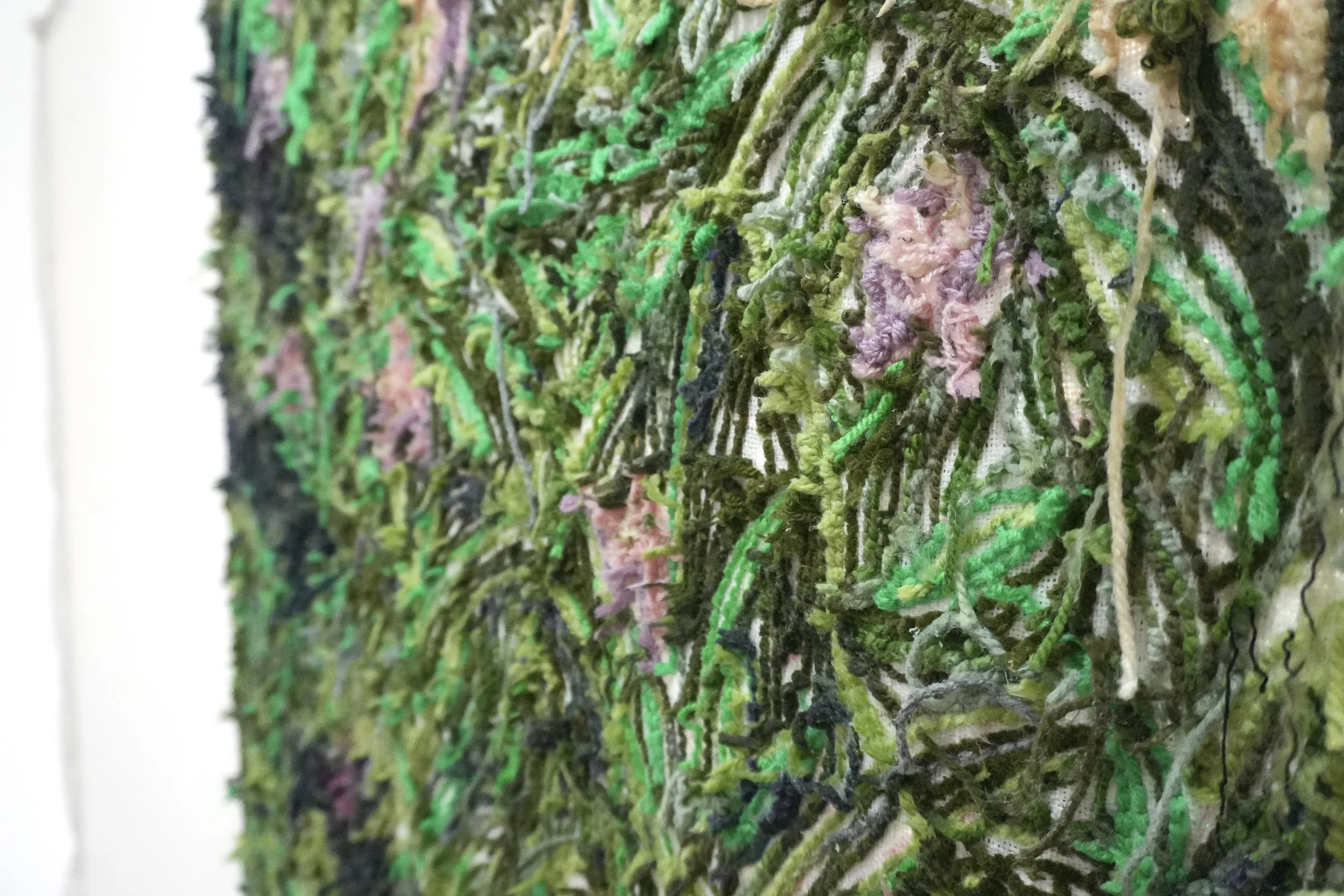
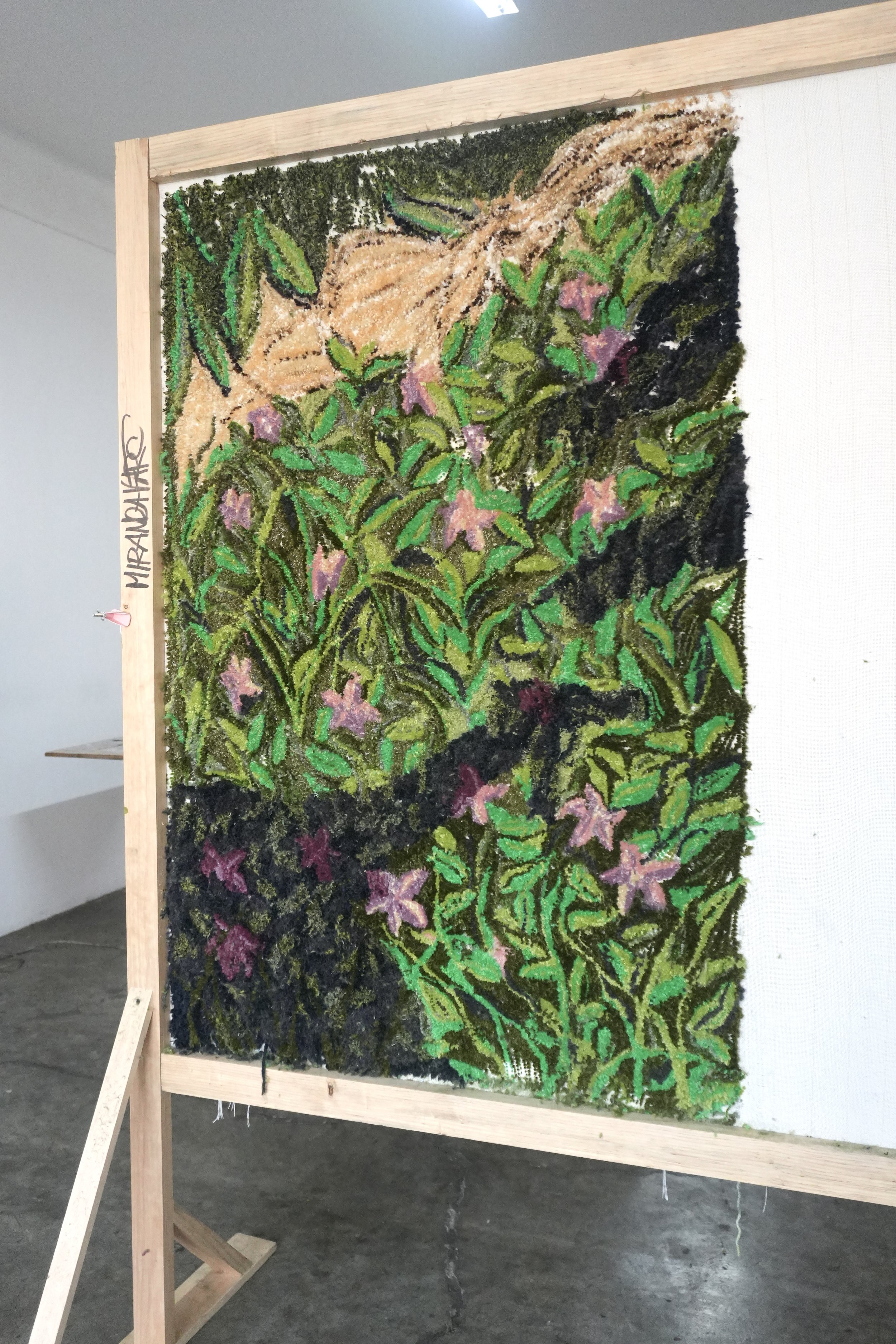
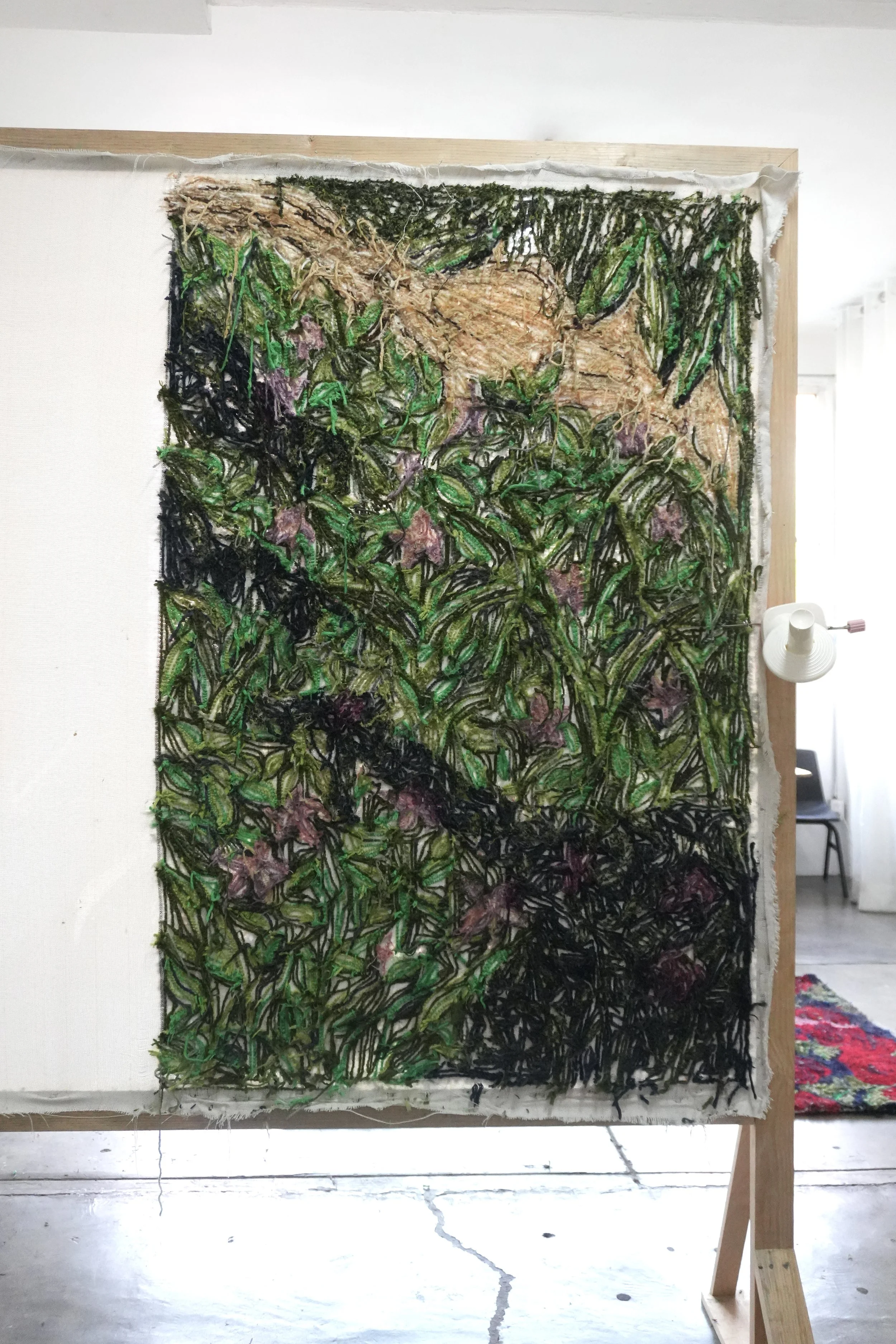
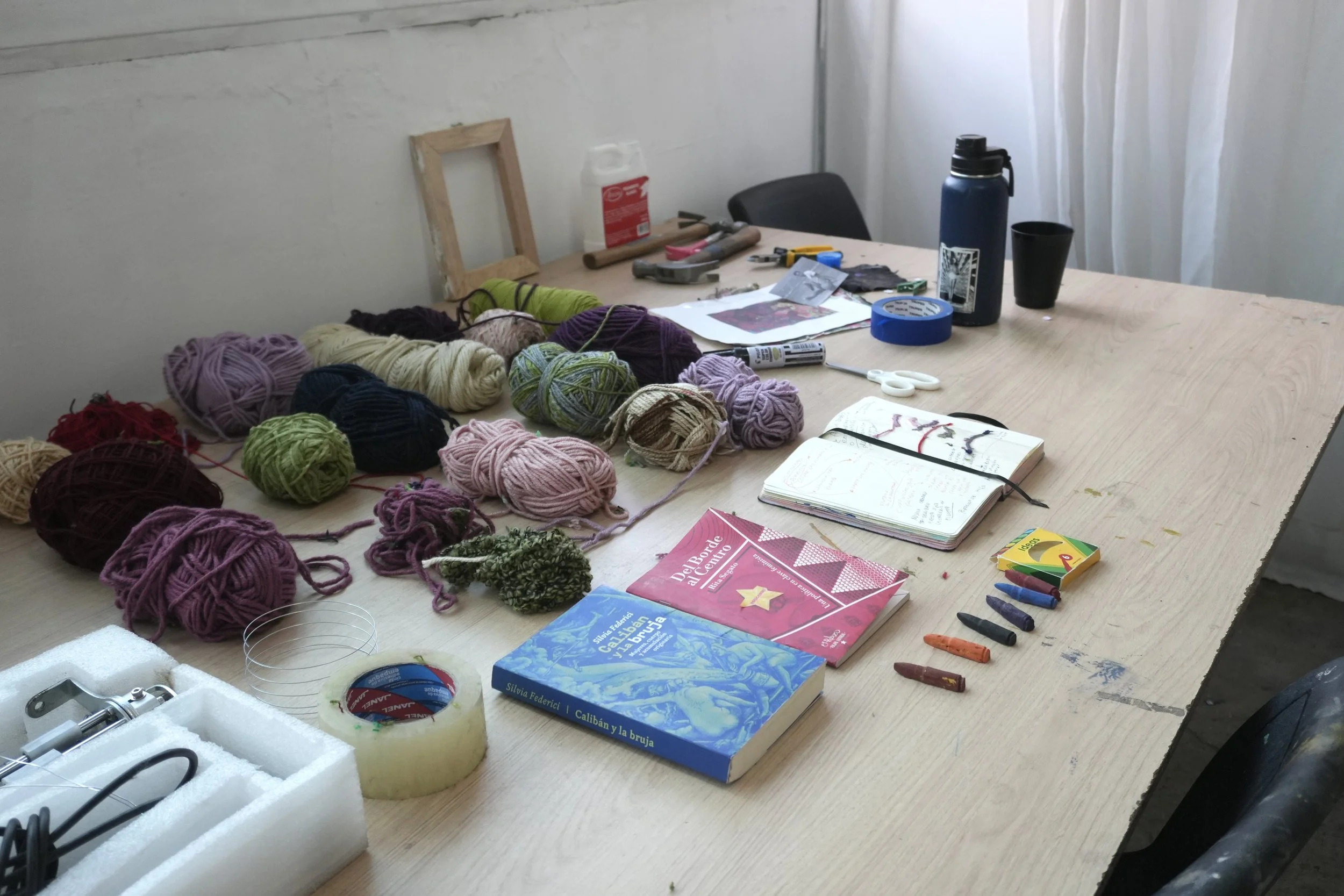
El primer gesto radical de Miranda es la sustitución del símbolo: toma el concepto del "arma" y lo desplaza desde la destrucción hacia la creación. Al utilizar la pistola de tufting, Varo no solo construye una imagen, sino que ejecuta una acción política. Mientras el arma patriarcal perfora para aniquilar, la pistola de tufting perfora para construir. Esta técnica le permite proponer un entendimiento flexible de las violencias, alejándose del textil tradicional —limitado por la trama y la urdimbre— para explorar una estructura de capas múltiples y elementos estructurales que solo el tufting permite. Es un textil que respira y se expande, tal como la identidad que propone para liberar(nos).
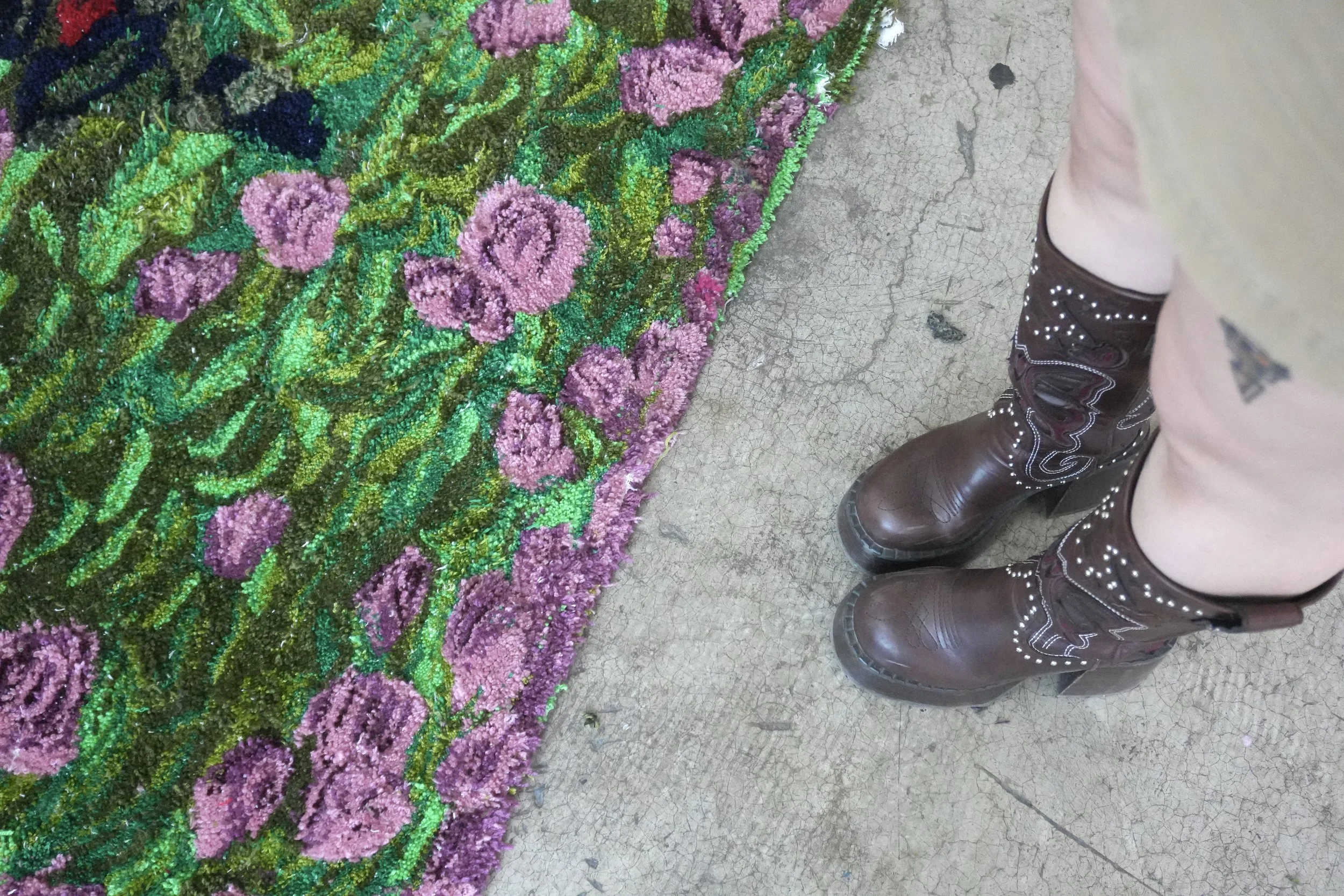
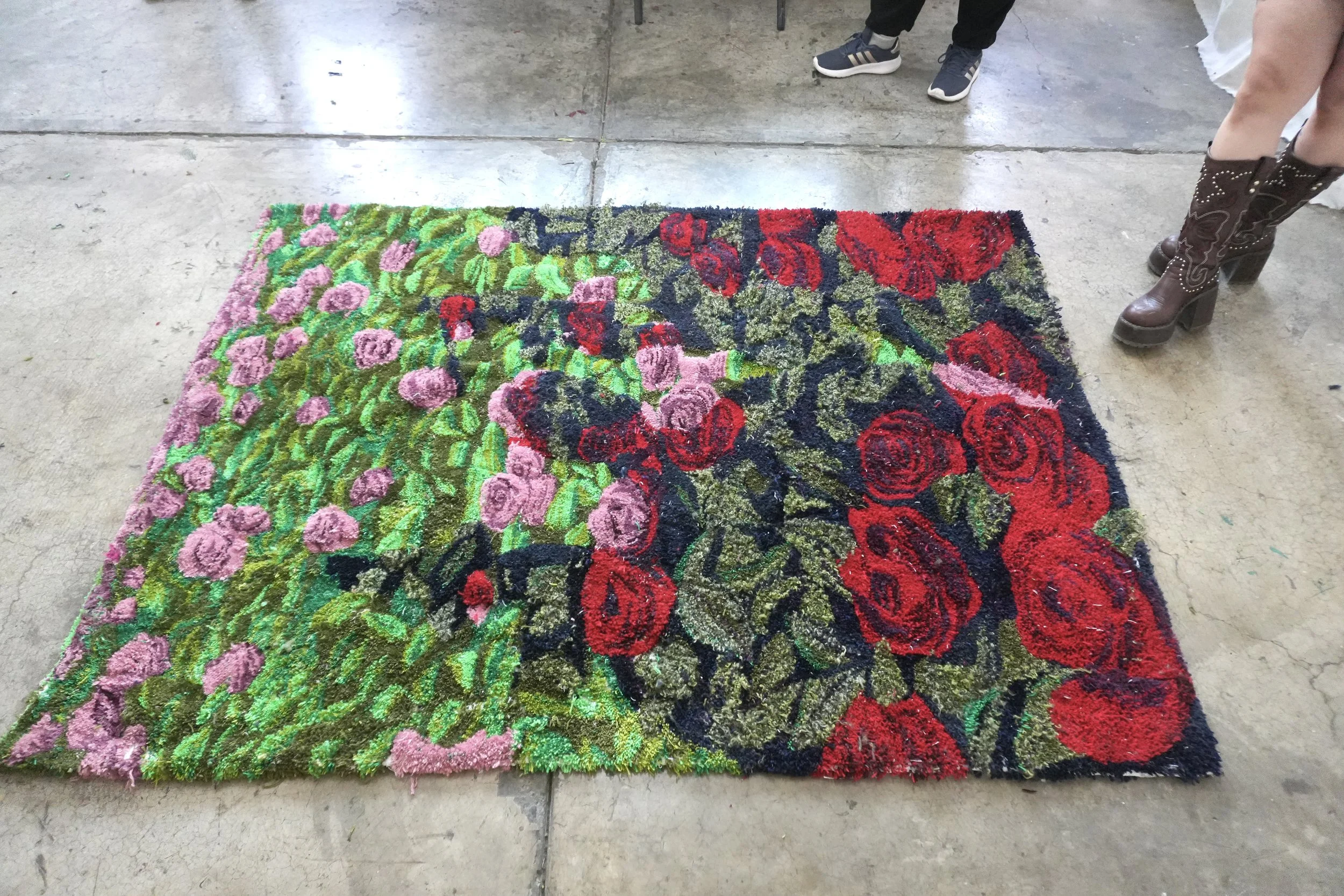
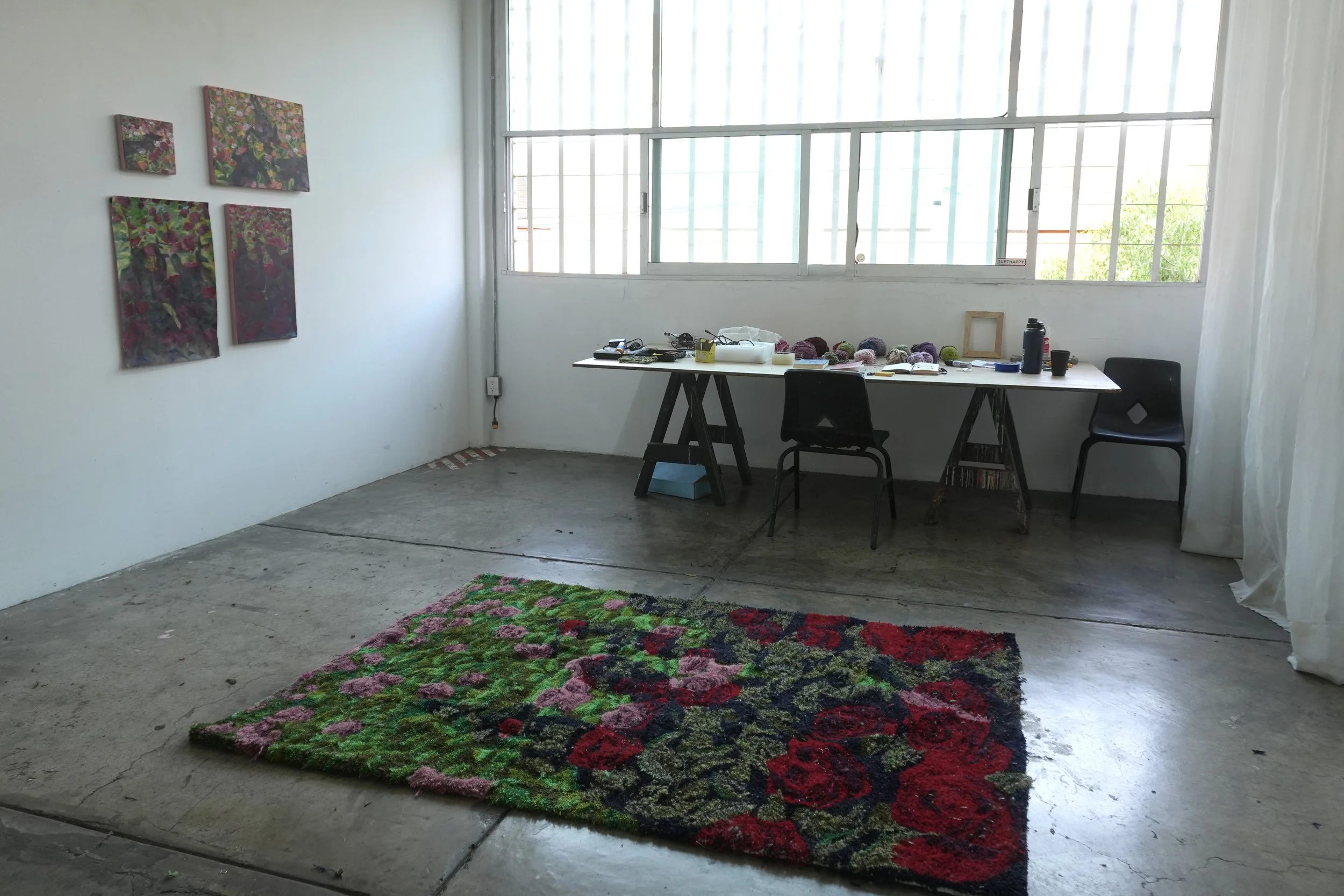
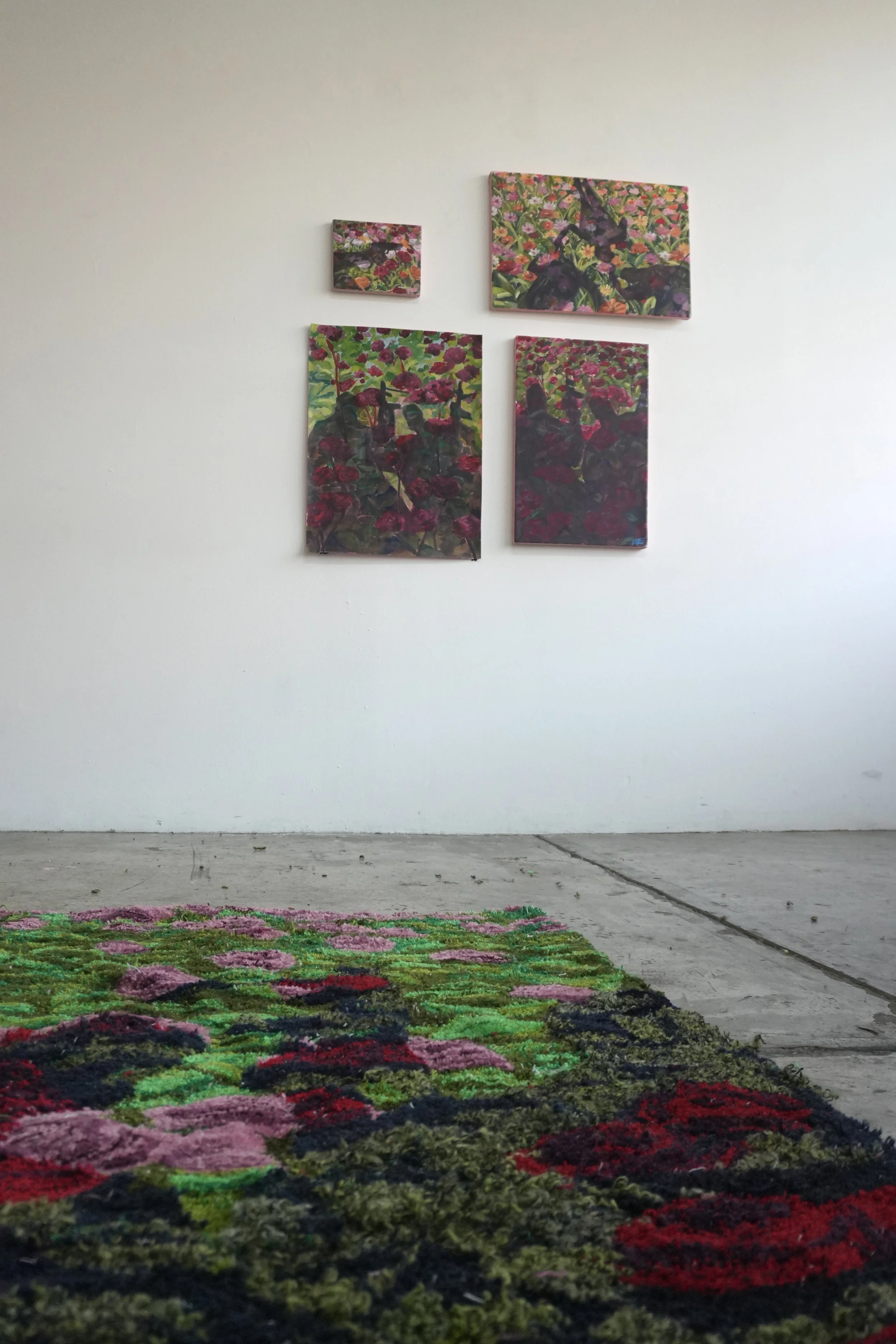
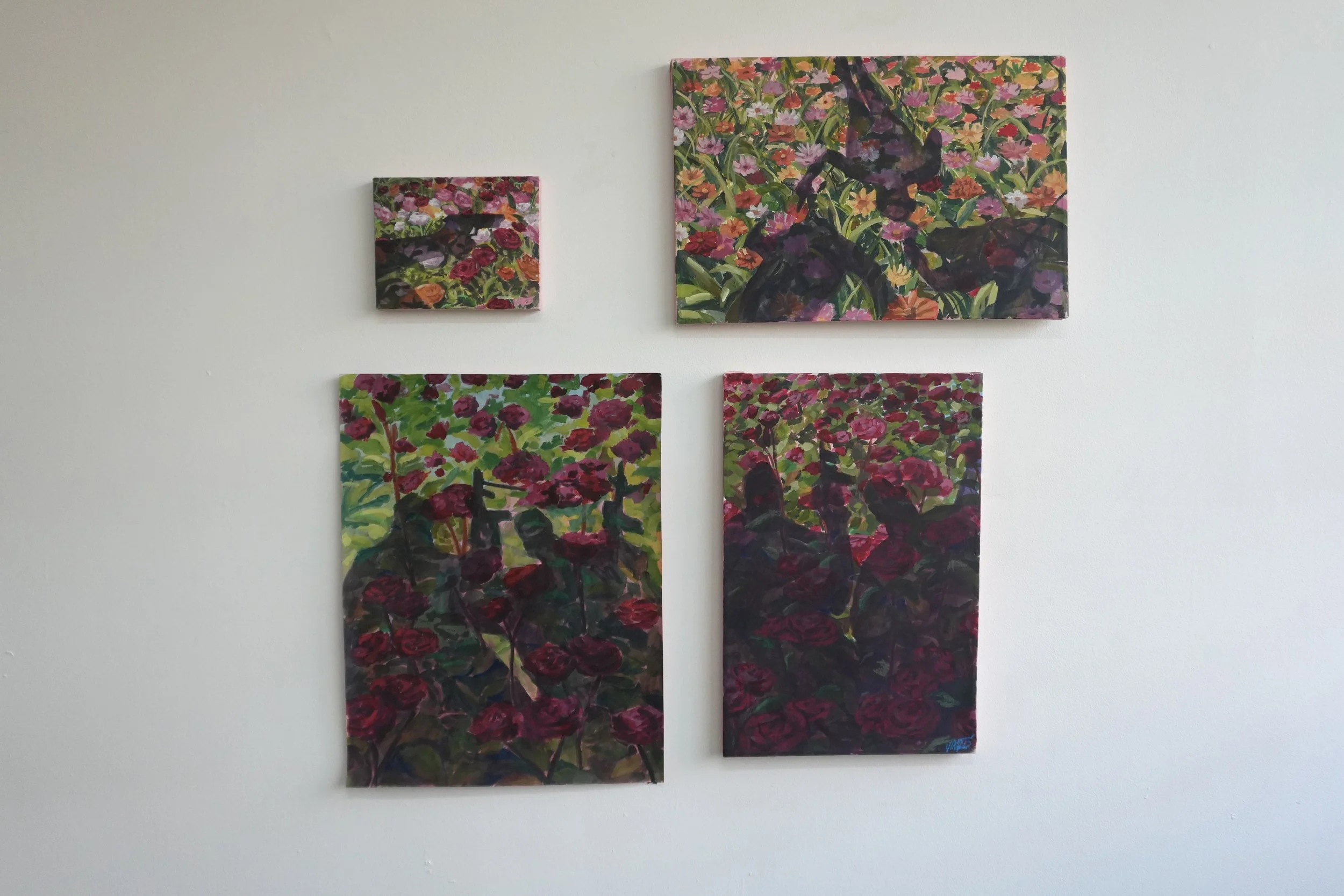
La pieza se presenta como una superficie mullida, una invitación táctil bajo la técnica de "Cut pile" (estambre cortado). Esta suavidad extrema en el haz de la pieza esconde y revela simultáneamente la tensión del territorio: El Campo Sembrado, el fondo del tapete nos muestra la imagen de un territorio vivo, florecido, que remite a la tierra de Baja California. La Silueta en Sombra: Sobre este paisaje idílico, se proyectan las sombras de figuras humanas portando armas.
Aquí es donde la pieza exige la participación del espectador a través de una "pista de lectura" corporal: hay que pisar la sombra. Pero no se pisa con odio, sino con una conciencia de suavidad. Miranda nos propone la ternura radical como método: habitar el espacio de la violencia, reconocerlo, y transitarlo con la firme intención de re-hacernos. Al unir la imagen del territorio violentado con la acción de crear una superficie suave sobre la cual caminar, Miranda Varo materializa la posibilidad de una habitación propia que exceda los límites del patriarcado.
No se trata solo de representar la violencia, sino de desarticularla mediante la materia. La pieza es un ejercicio de soberanía espacial donde el acto de pisar se convierte en un ritual de sanación y apropiación. Es, en última instancia, una muestra de cómo la técnica textil —en manos de una visión decolonial— puede transformar un arma en un puente y una herida en un campo floreado.
El trabajo de Miranda es una invitación a habitar la flexibilidad estructural, recordándonos que para desmantelar la casa del amo, a veces hace falta usar sus herramientas, pero cargadas con el hilo de la memoria y la fuerza de las mujeres en comunidad.
olgaMargarita dávila, chief curator
Anáhuac, CDMX - abril 2026
____
EN
With the Weapon of Tenderness:
Miranda Varo and the Re-configuration of the Wounded Landscape
Rooted deeply in her family context of Baja California, Miranda Varo presents a body of work during her residency at Lagos | estudios y residencias that functions as a subverted battlefield. Her proposal is not merely aesthetic; it articulates a vision of decolonial, territorial, and anti-patriarchal feminisms, where the body and the territory merge into a single surface of resistance. In this piece, the textile ceases to be a passive object and becomes a tool for the re-contextualization of violence.
Miranda’s first radical gesture is the substitution of the symbol: she takes the concept of the "weapon" and shifts it from destruction toward creation. By utilizing the tufting gun, Varo does not just construct an image; she executes a political action. While the patriarchal weapon pierces to annihilate, the tufting gun pierces to build. This technique allows her to propose a flexible understanding of violence, moving away from traditional textiles—limited by warp and weft—to explore a structure of multiple layers and structural elements that only tufting permits. It is a textile that breathes and expands, much like the identity she proposes for our liberation.
The piece is presented as a plush surface, a tactile invitation created through the "cut pile" technique. This extreme softness on the face of the work simultaneously hides and reveals the tension of the territory:
The Sown Field: The background of the rug shows us an image of a living, blooming territory, reminiscent of the Baja California landscape.
The Silhouetted Shadow: Cast over this idyllic landscape are the shadows of human figures carrying weapons.
This is where the piece demands the viewer's participation through a physical "reading cue": one must step on the shadow. However, one does not step with hate, but with a consciousness of softness. Miranda proposes radical tenderness as a method: inhabiting the space of violence, recognizing it, and moving through it with the firm intention of remaking ourselves. By joining the image of the violated territory with the action of creating a soft surface upon which to walk, Miranda Varo materializes the possibility of a "room of one's own" that exceeds the limits of the patriarchy.
It is not just about representing violence, but about dismantling it through matter. The piece is an exercise in spatial sovereignty where the act of stepping becomes a ritual of healing and appropriation. Ultimately, it is a demonstration of how textile technique—in the hands of a decolonial vision—can transform a weapon into a bridge and a wound into a flowered field.
Miranda’s work is an invitation to inhabit structural flexibility, reminding us that to dismantle the master's house, it is sometimes necessary to use his tools—but loaded with the thread of memory and the strength of women in community.
olgaMargarita dávila, chief curator
Anáhuac, CDMX - April 2026