The Overflowed Structure
Framing contemporary painting as a fertile anachronism begins with a question that remains (and will remain) open: why paint? This is not a challenge to the medium's relevance, since painting does not need to justify its permanence, but rather an inquiry into what still moves us to create through pictorial practice. At a time when images multiply at unprecedented speed, painting remains a deeply rooted act of resistance: it means pausing before a surface, establishing a relationship with matter, and allowing an image to be built over time.
In this way we can understand painting as material memory. Not only because it preserves traces of a history, but because in it memory acquires a bodily justification: pigment, canvas, wax, stitching, surface, transparency, wear. Every image contains something that precedes it. Cultural symbols, family narratives, landscapes, bodies, beliefs, and personal imaginaries survive in pictorial matter as layers that cannot always be told apart. The act of painting involves making layers of memory visible, layers that are, in turn, being modified by each artist's individual practice.
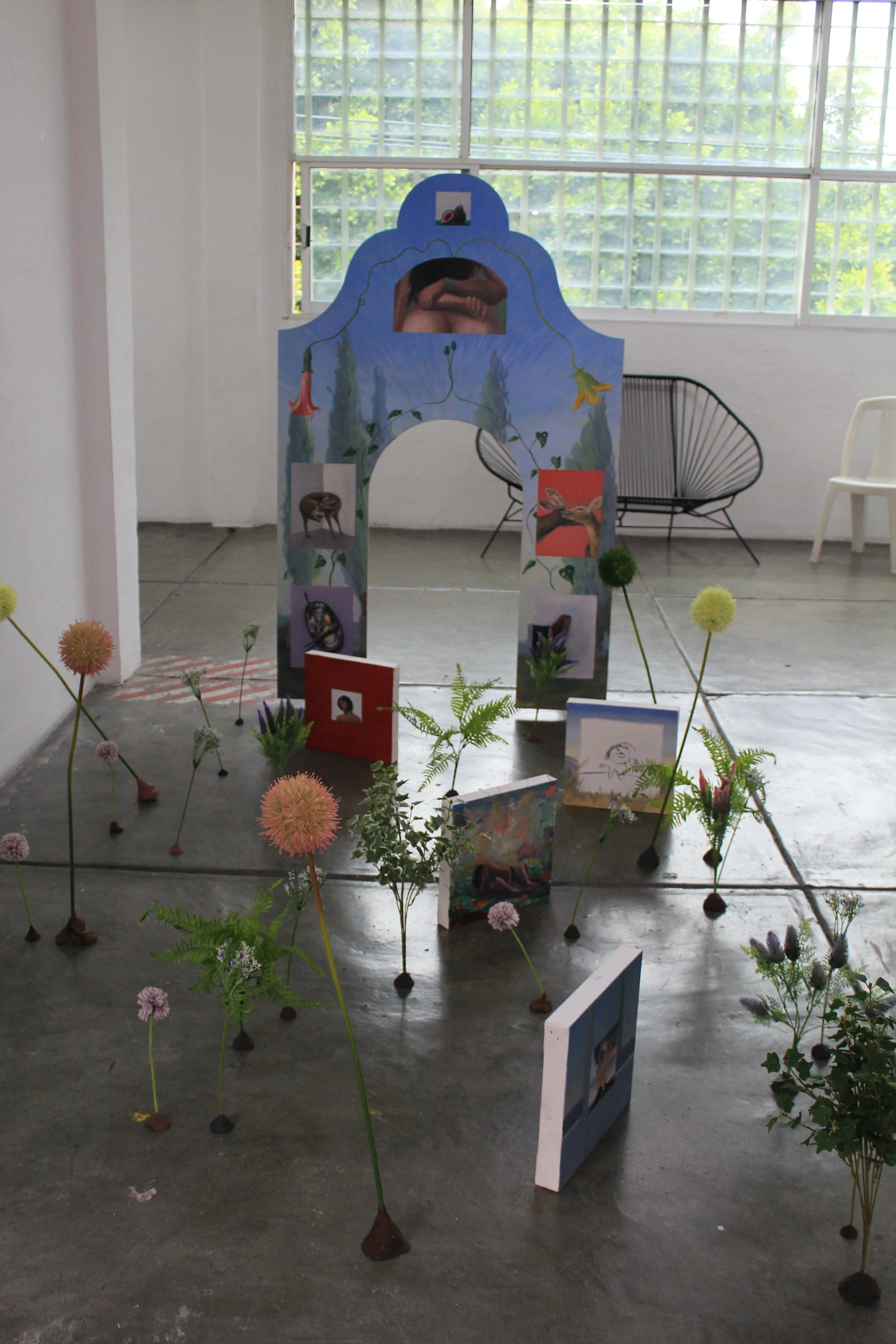
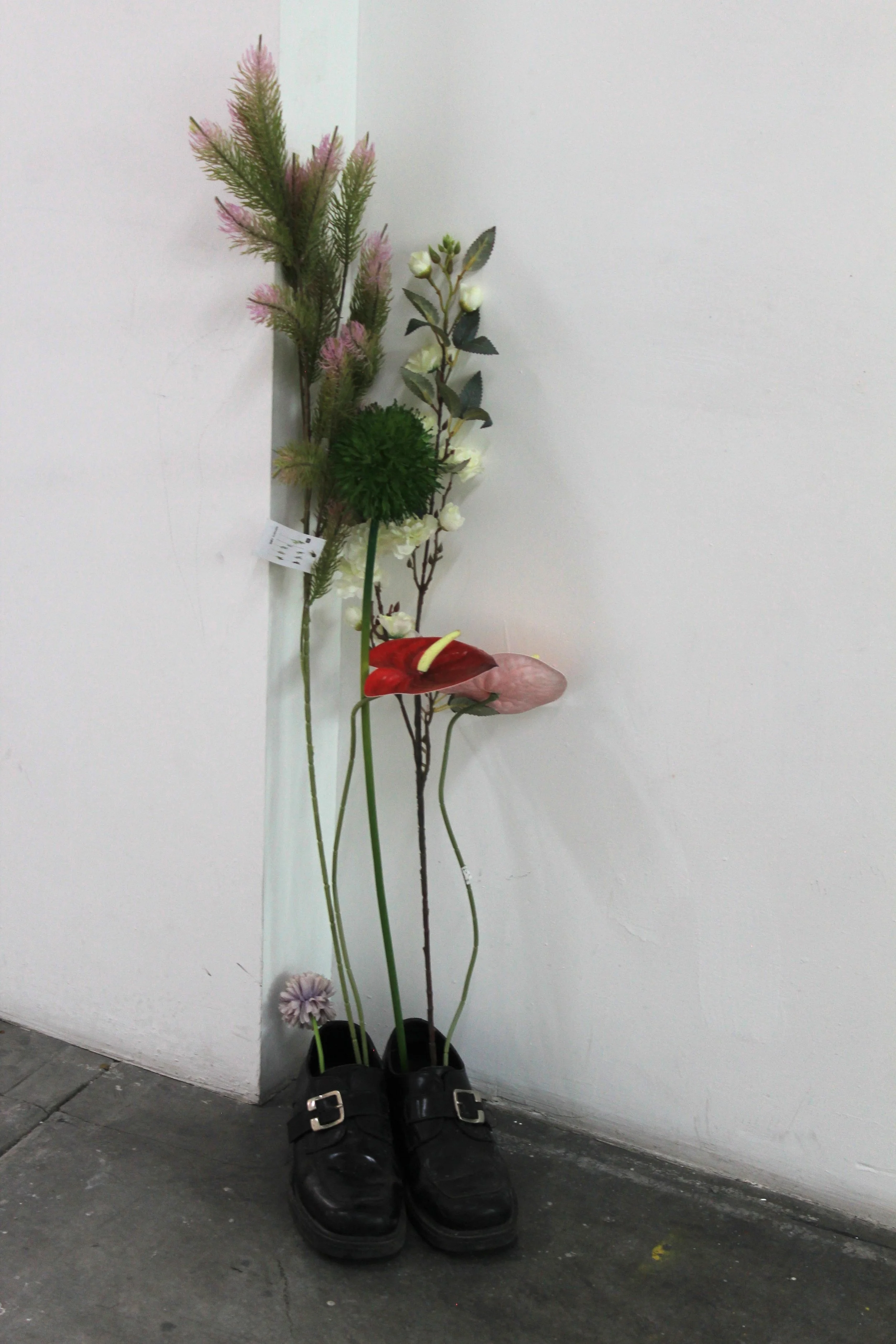
In the work of Miguel Ángel Hernández, the image becomes a structure for interrogating the symbolic systems from which we construct identity. The appropriation of images, the transformation of the support, and the expansion of the stretcher frame displace painting into space until it becomes a threshold. His reference to the ephemeral portals built for the patron saint festivals of his community transforms an architecture tied to the religious into an entrance to an intimate landscape of images, affections, and beliefs. He seeks to reflect on how we inhabit the fictions that constitute us and how inherited symbols take part in the ever-unstable construction of the figure of the "self."
Radharani Torres returns to painting from a territory that in recent years she has found mainly in textile. Her research into magical thinking and family beliefs finds, in the figure of the pink horse, an image capable of transforming along with what it represents. What at first appears as a playful, almost festive figure begins to degrade until it takes on a vulnerable condition, close to a corpse. In this shift, the image stops illustrating an idea and becomes the record of an experience: the transformation of a belief and the loss of the certainties that sustained it. It shows how a warm memory can contain something unsettling, and how a seemingly light surface can come to hold an experience of enormous density.
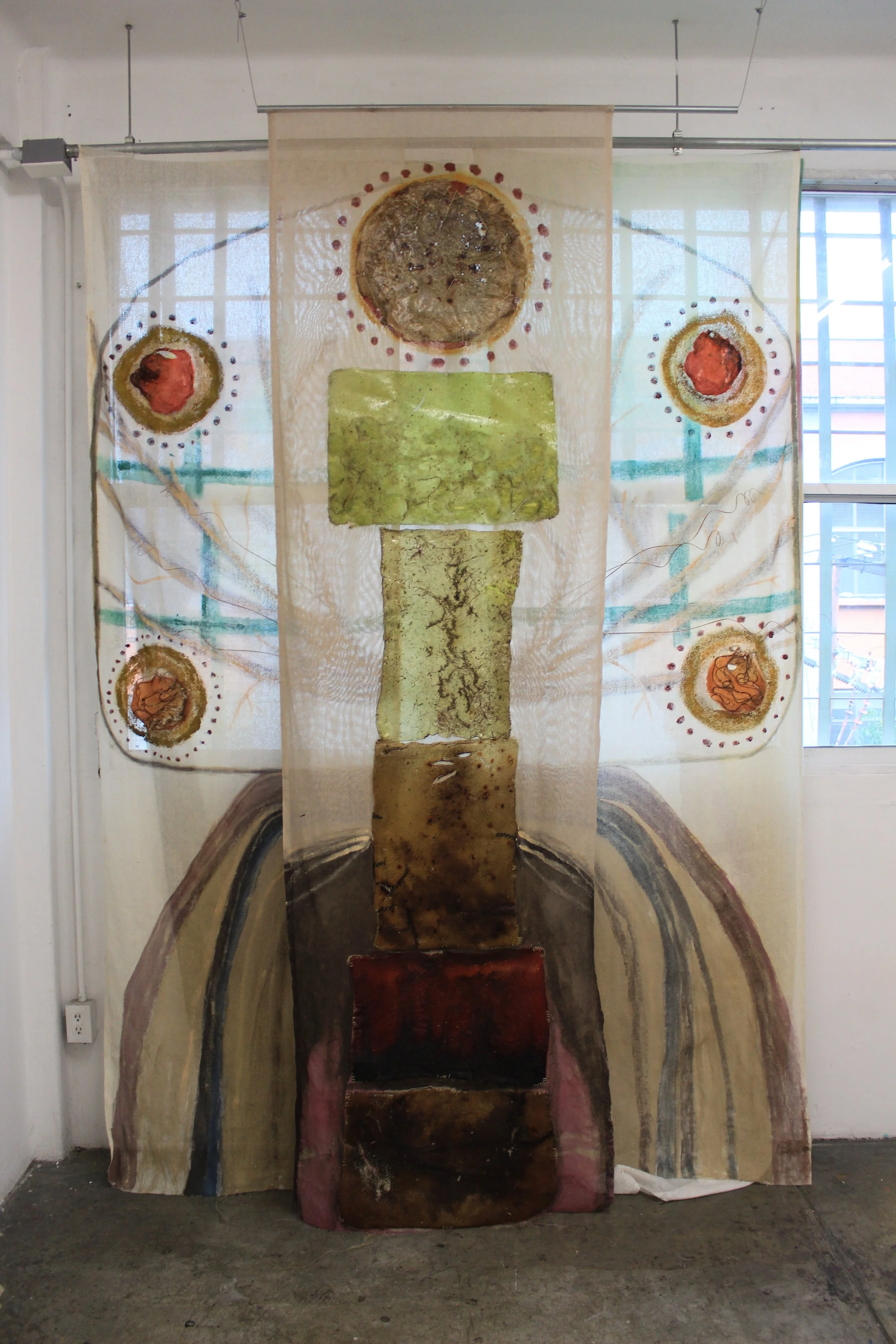
Verónica Riedel recovers the ceiba as axis mundi to rethink a historical architecture of power. Her research starts from a Maya conception of the tree as a structure capable of connecting different planes of existence, but she shifts that verticality toward a question of care, reciprocity, and restoration. Plants, natural pigments, and biomaterials linked to healing knowledge function not merely as formal resources: they contain memory and knowledge. The geometric and botanical forms, at once monumental and intimate, appear as fragments of a larger cosmology and as possible flags of peace: surfaces where power can be imagined through care.
Daniela Negrete's process involves, perhaps, a different operation: dismantling. After two decades of building a personal iconography and mythology, the residency opened a moment of rupture with the structures that had organized her painting. Abandoning the sketch as a prior structure, incorporating black, moving into abstraction, and expanding the work beyond the stretcher frame do not mean a negation of her trajectory, but the possibility of returning to it from another place. Adhered fabrics begin to operate as stains, seams as brushstrokes, and transparencies as glazes. Painting stops being something that is controlled and becomes something with which a dialogue is established. The image no longer imposes itself on matter: it emerges from it. In this shift, the act of painting stops illustrating an idea and becomes the very place where that idea occurs.
Mónica Figueroa, for her part, works from a mythology built over years around woman as an archetype of the human. Her landscapes bring together geological times, species, bodies, hybrid animals, and natural phenomena in a single imaginary temporality. During the residency, the chance to make her support more complex and diversify her materials opened a path for this universe to transform without becoming trapped in a style. Wax, embroidery, spray paint, and other procedures appear as possible extensions of the pictorial language. What matters is not abandoning one image to find another, but allowing an investigation to mutate while keeping what originates it: the need to build a space where the human can be thought through other forms of existence.
In these five processes a shared certainty appears: thinking about painting today does not mean defining its limits, but expanding our capacity to recognize where it can happen. Painting can be in pigment, but also in a seam; in a transparency, in a surface that detaches from the wall, in a material that preserves the trace of a plant. It can remain within the stretcher frame or spill over it. It can begin from a found image, or from the memory of something we do not yet know how to articulate.
The anachronism is fertile not because painting belongs to another time, but because it contains many times simultaneously. Its history is not a burden to be overcome, but a living matter that can be revisited, contradicted, appropriated, and transformed. To paint today means to enter that memory without obeying it. It means recognizing that every surface has behind it a history of images, a past available to be transformed.
Perhaps the impulse that leads us to paint is, ultimately, the same one that leads us to seek to remember: the need to make something endure that we know is destined to disappear. An image, a body, a belief, a landscape, an experience. To paint is to give matter to that insistence.
And perhaps therein lies the continued relevance of painting: that it can still turn a question into surface, an experience into matter, and a memory into image.
Luis Manuel Perea
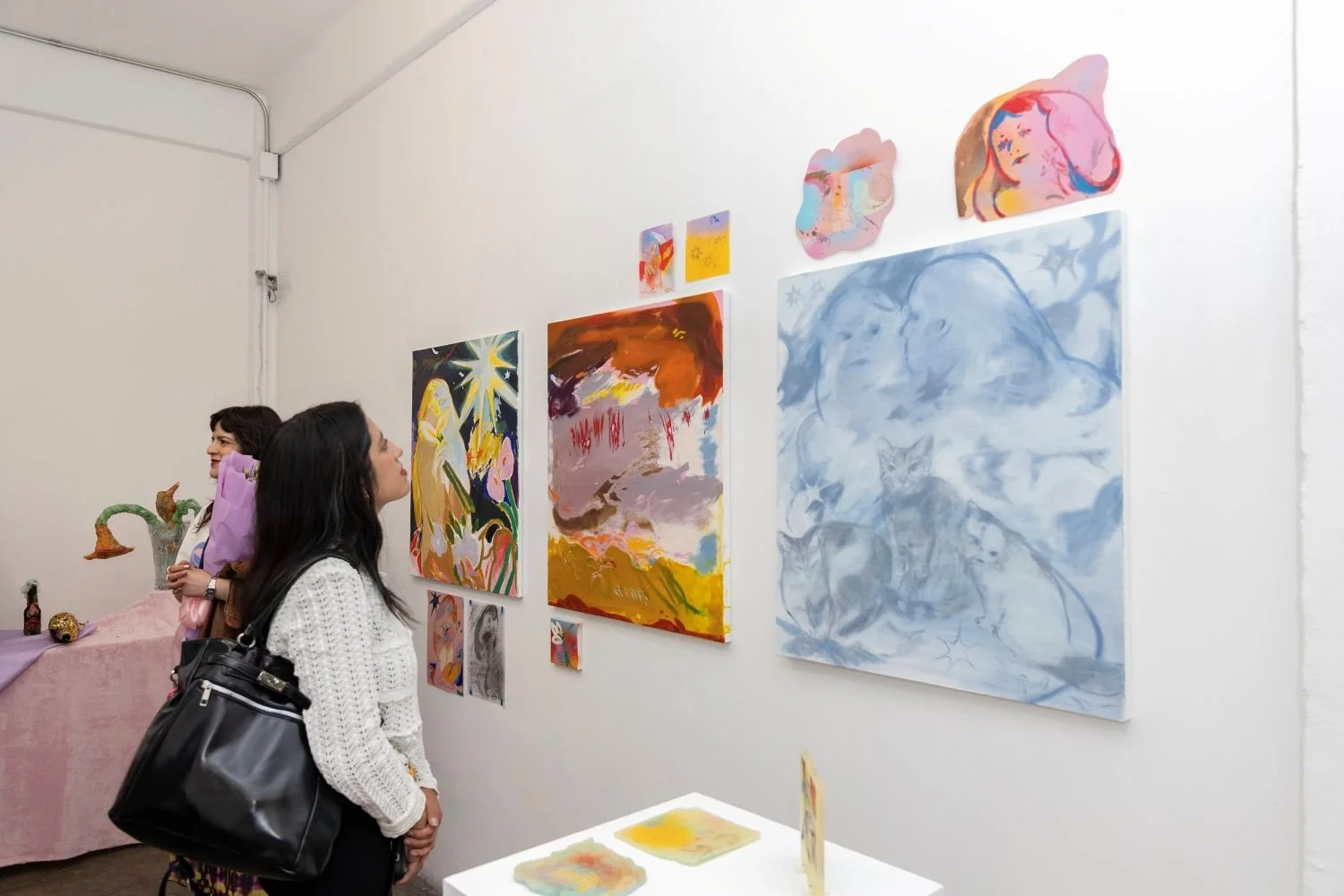
Mónica Figueroa
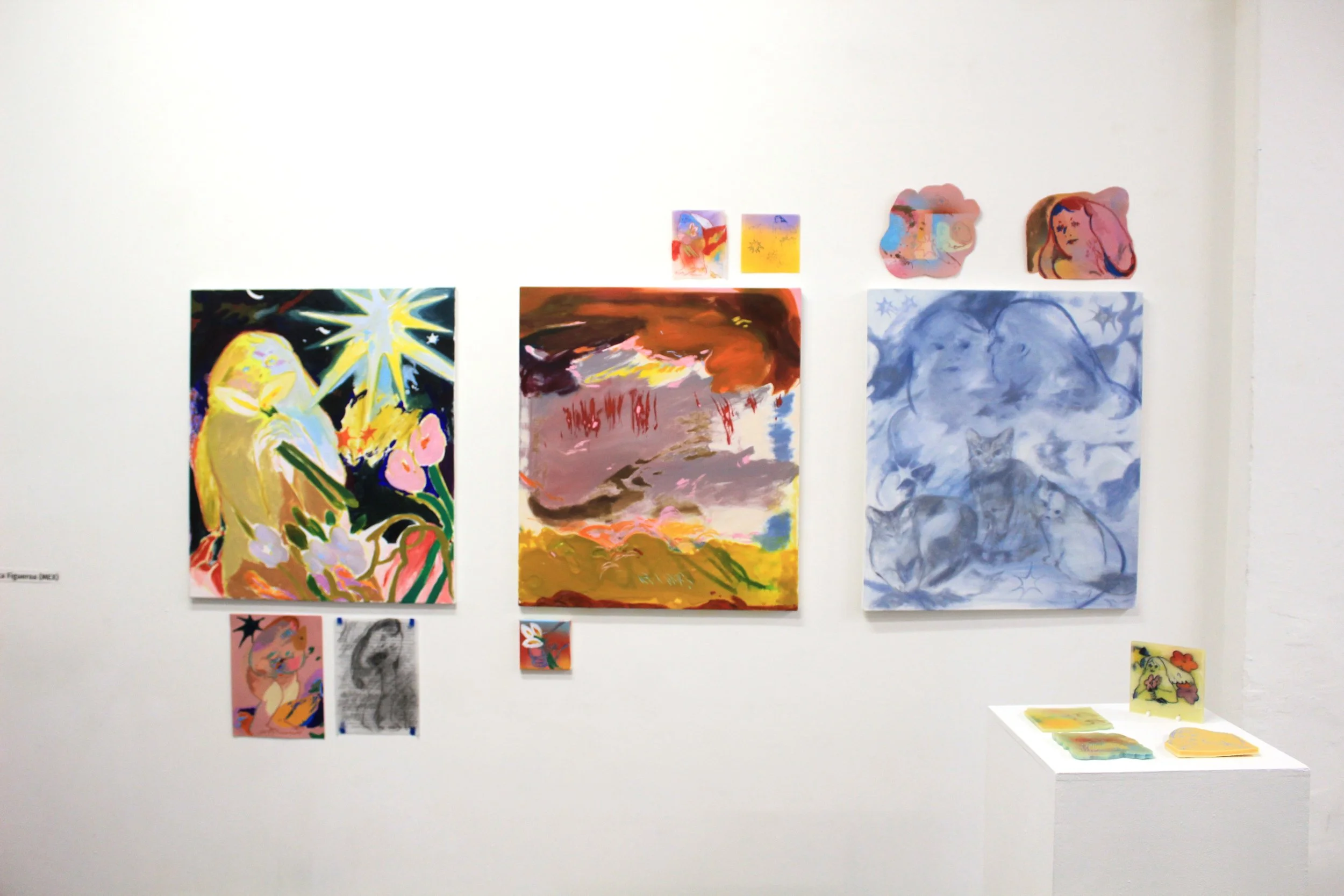
Mónica Figueroa
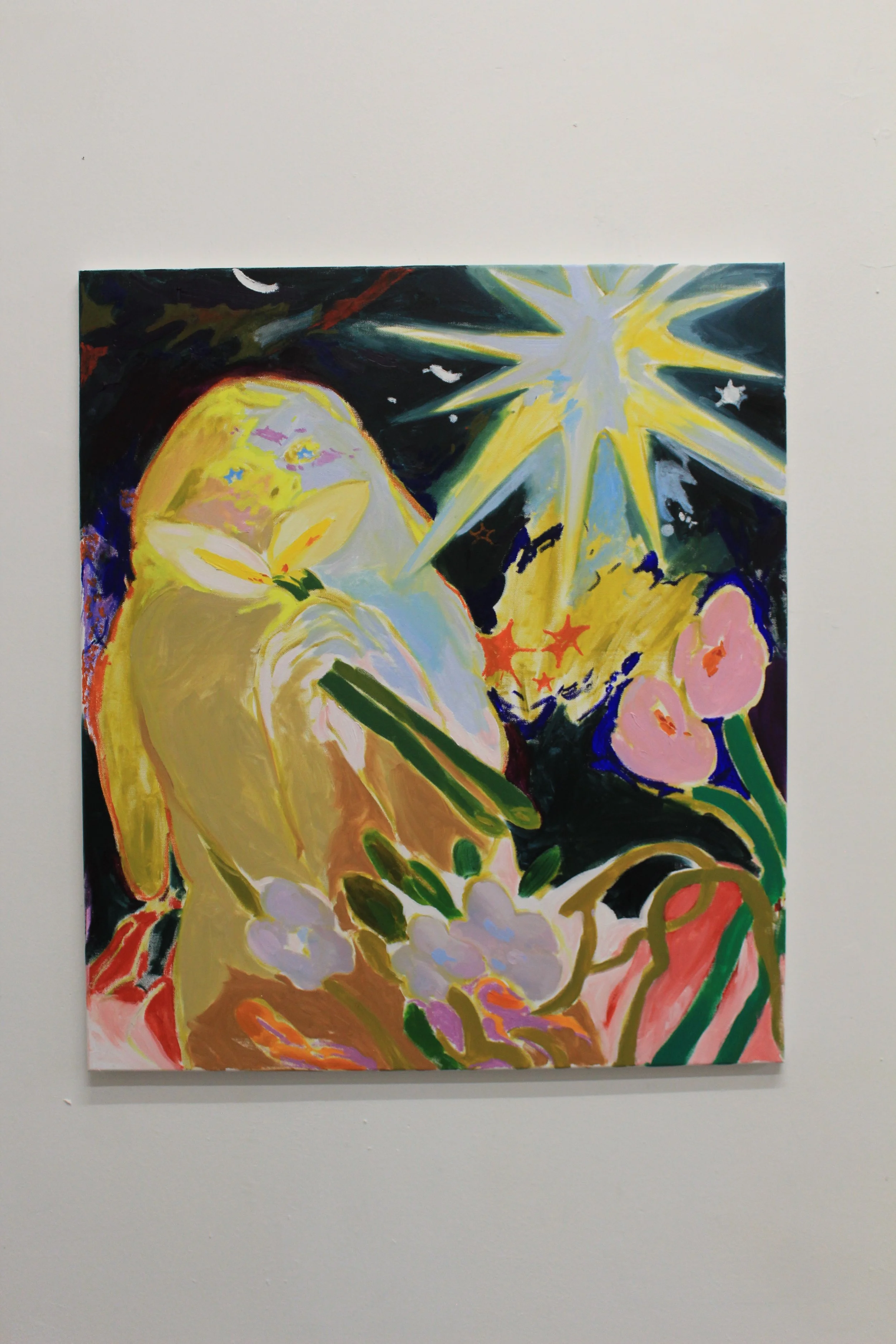
Mónica Figueroa
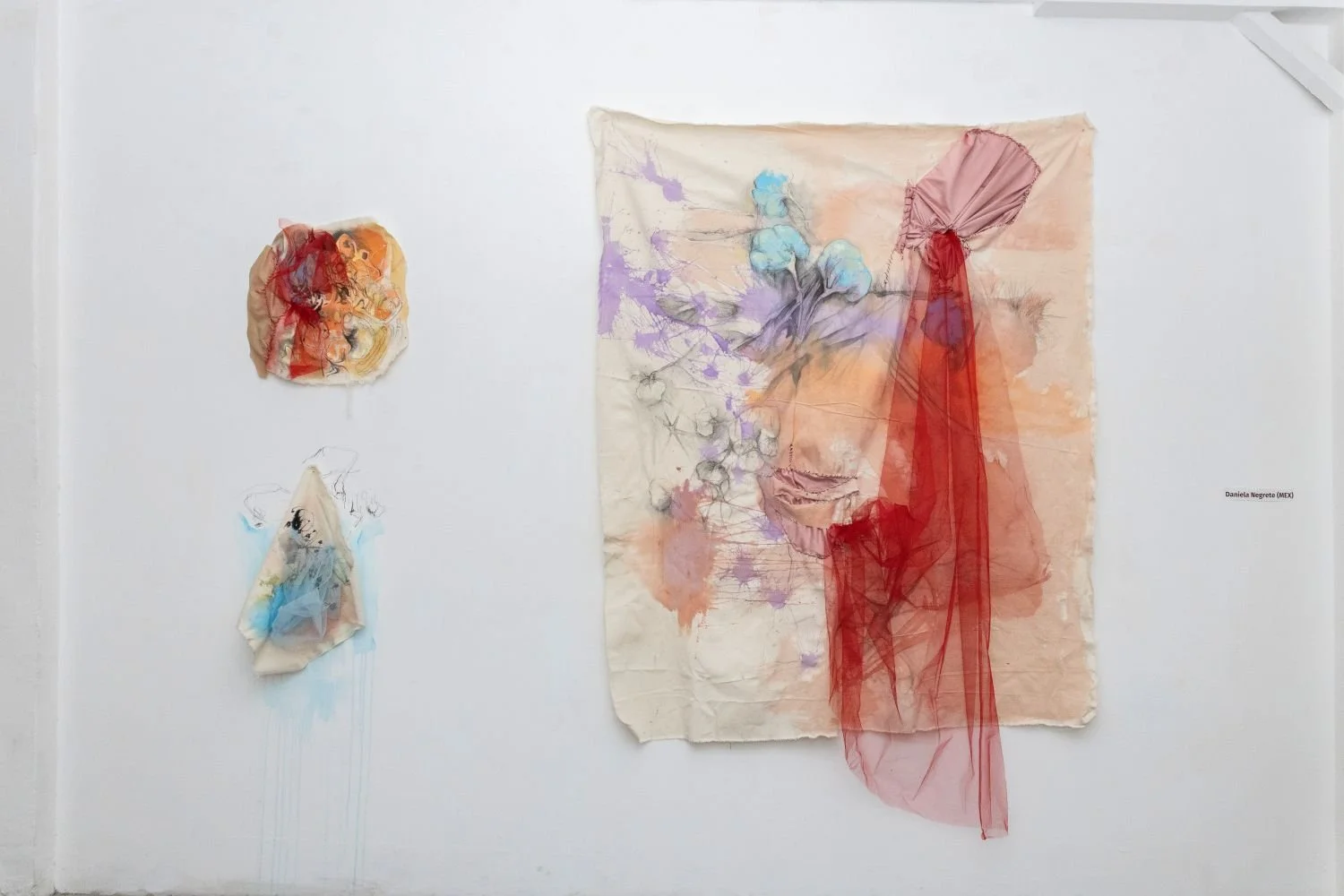
Daniela Negrete
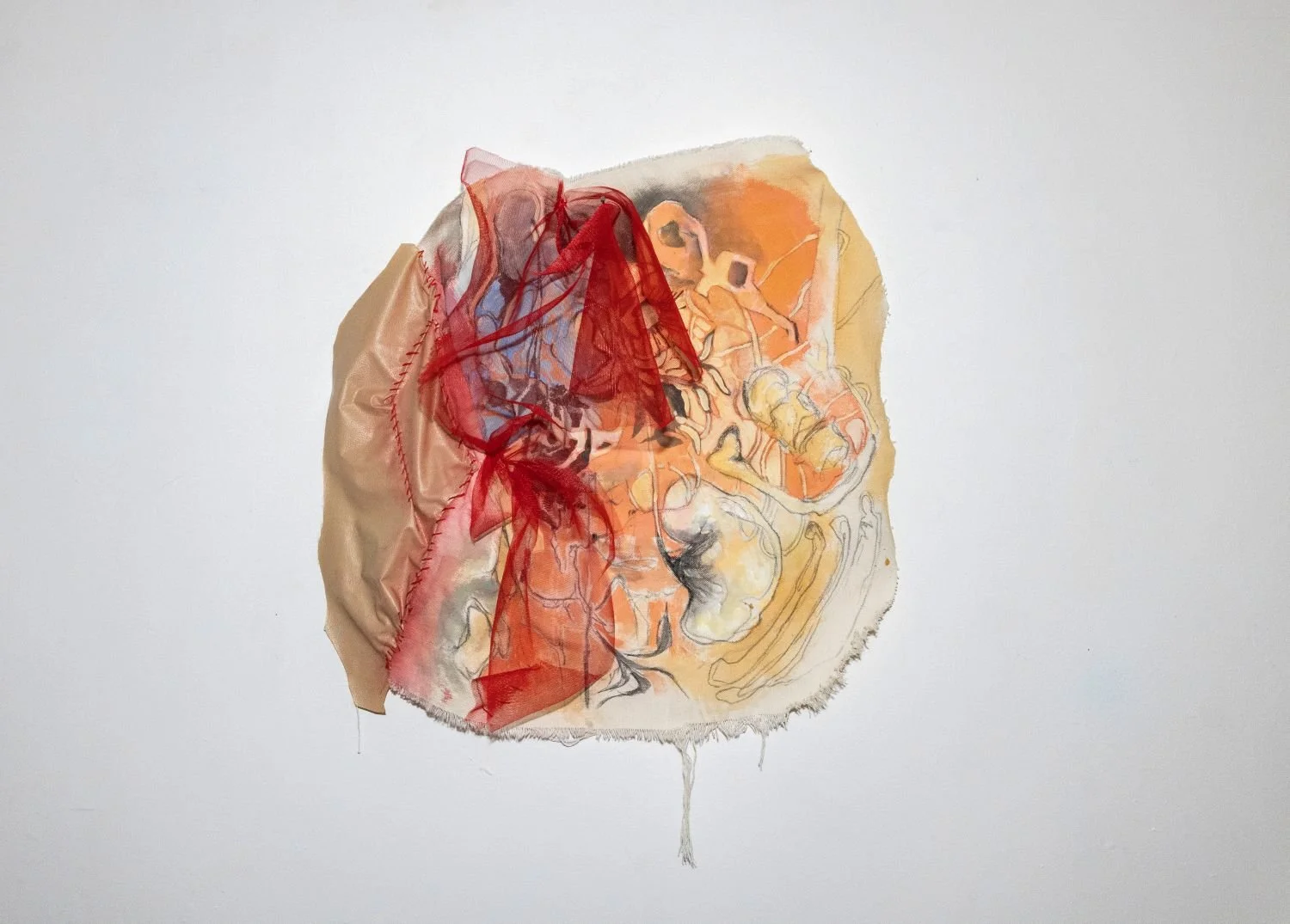
Daniela Negrete
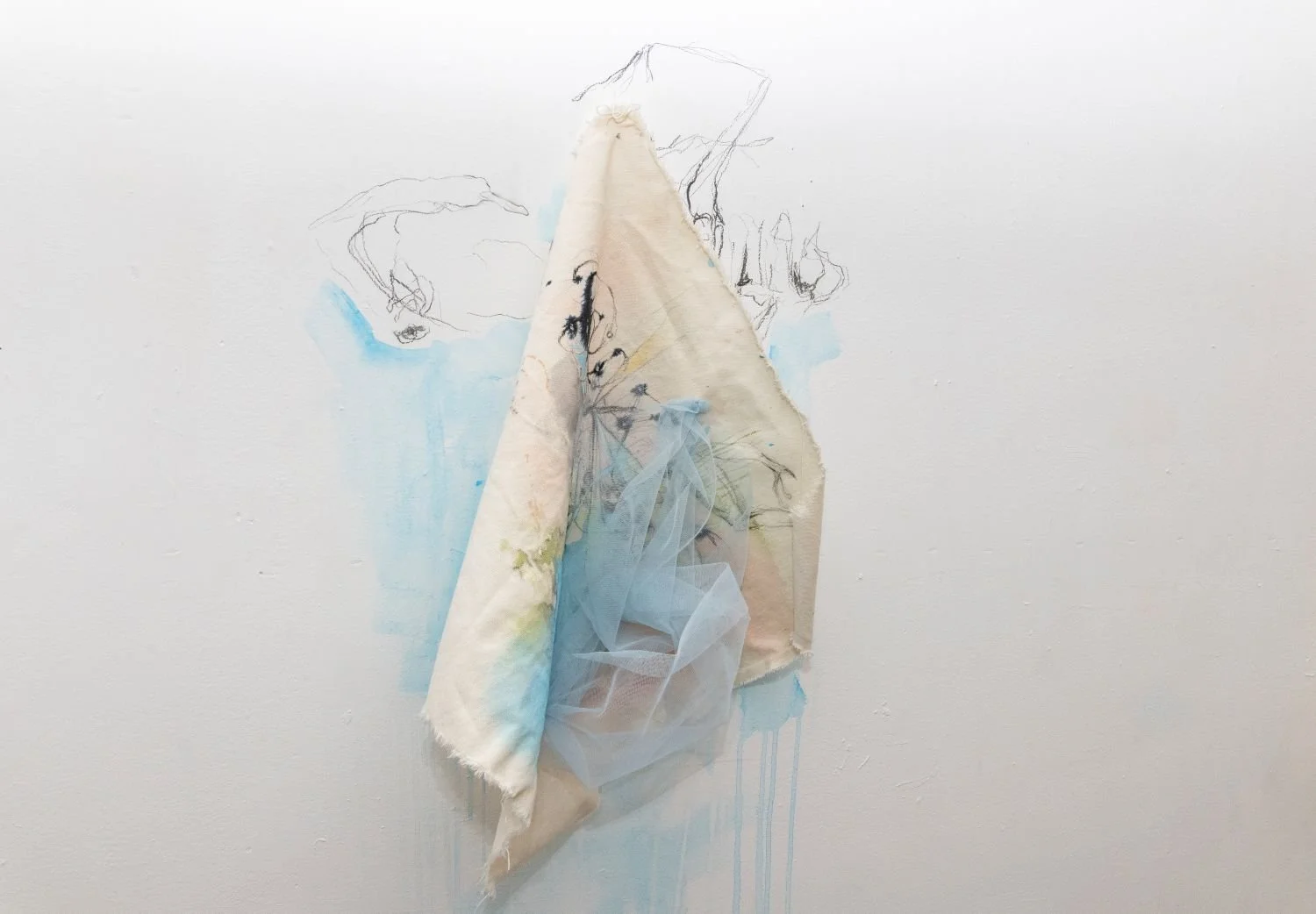
Daniela Negrete
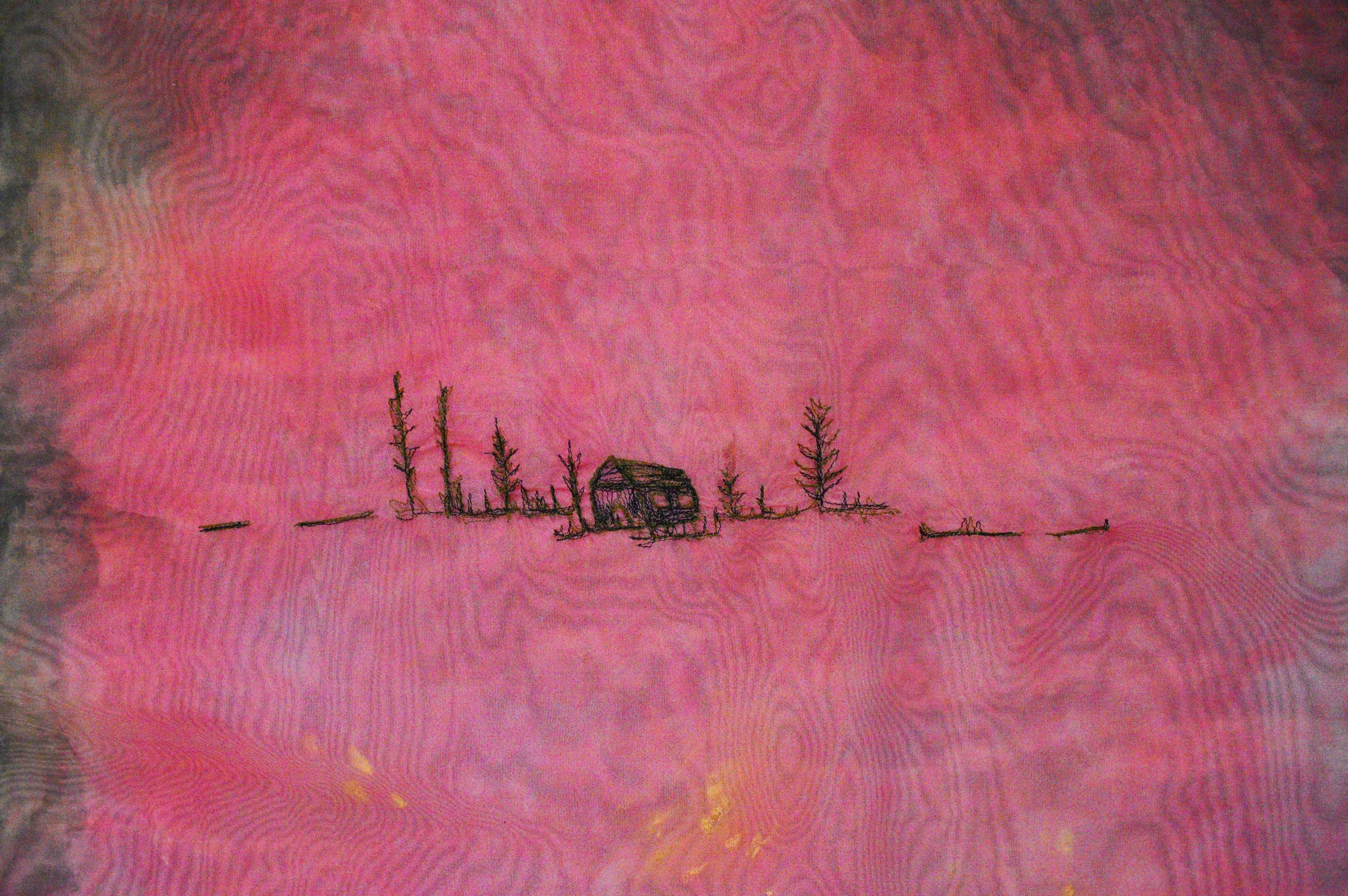
Radharani Torres
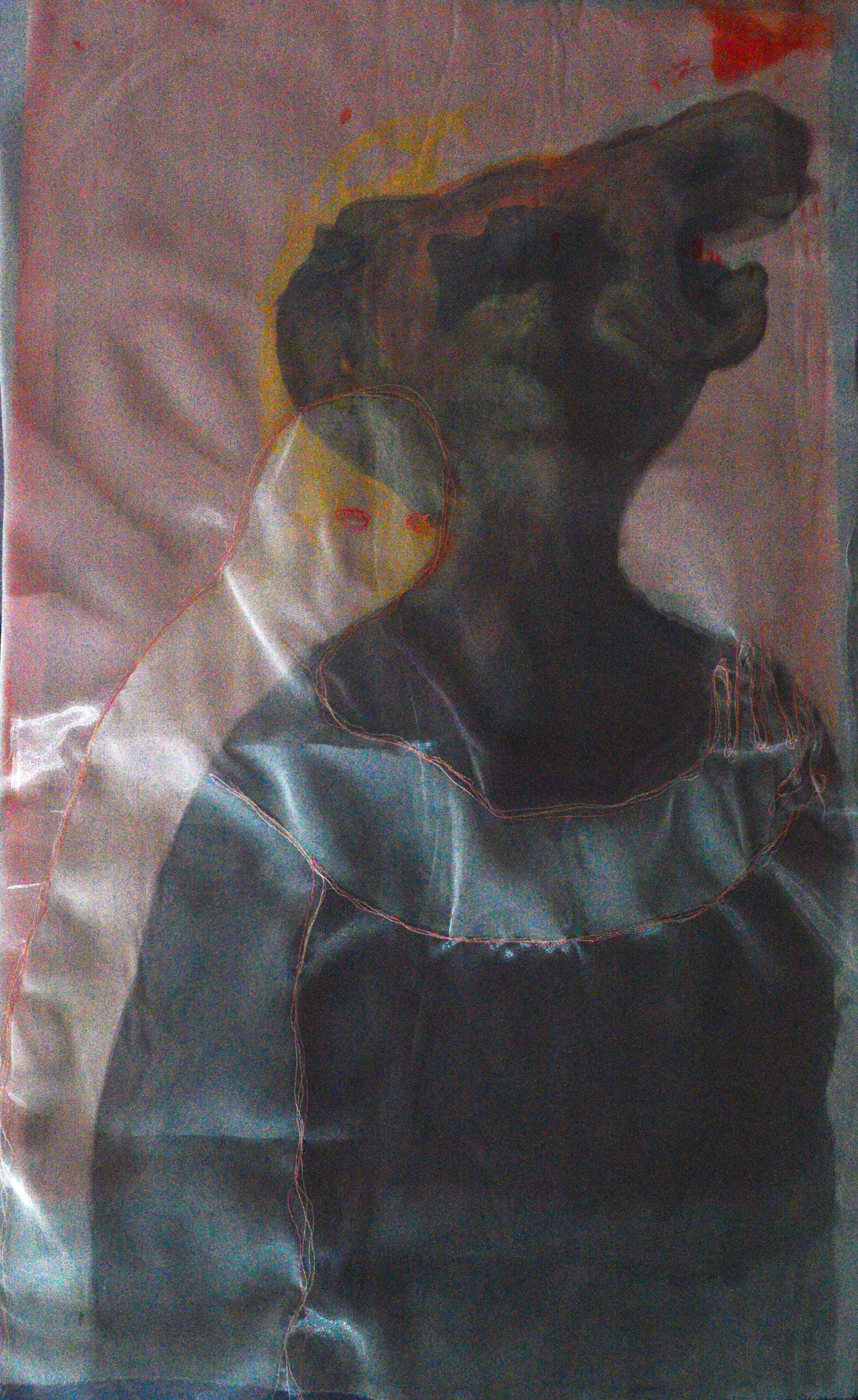
Radharani Torres
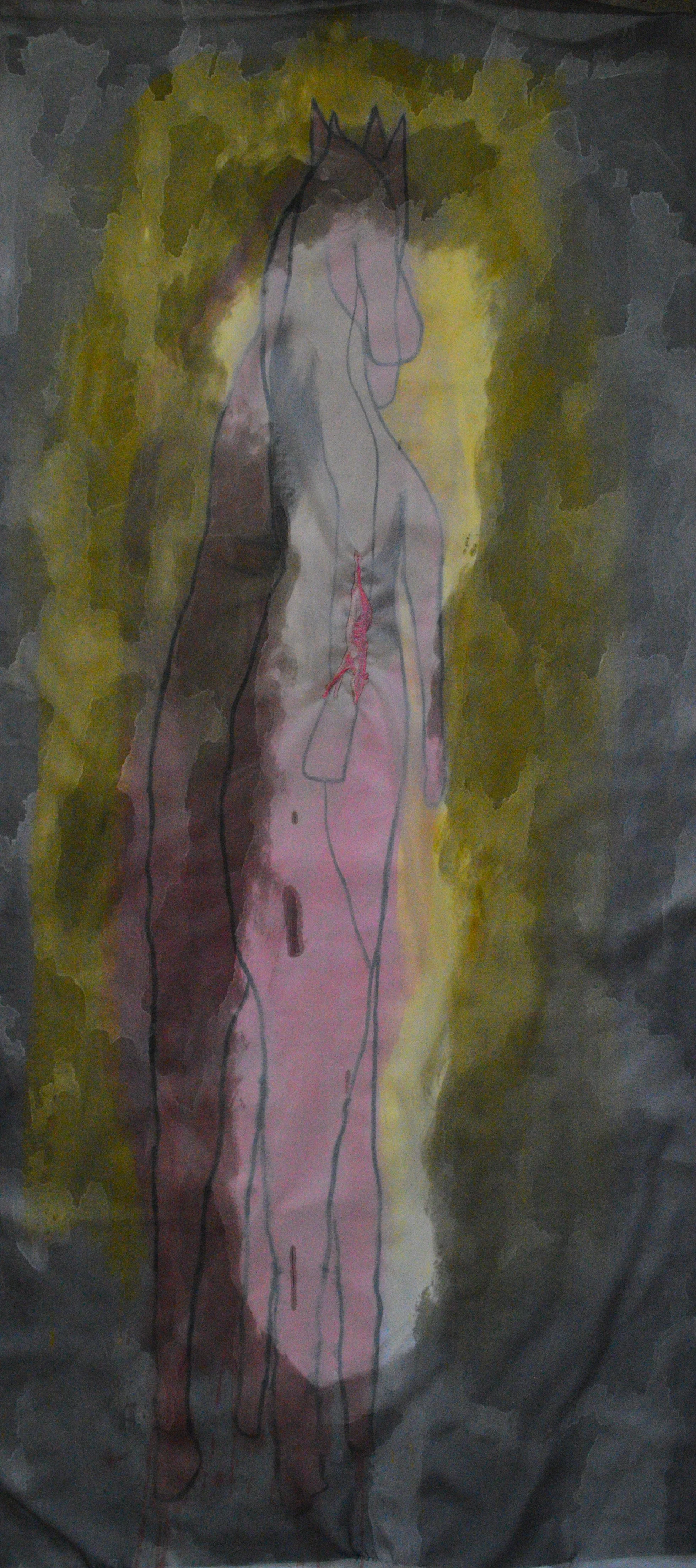
Radharani Torres
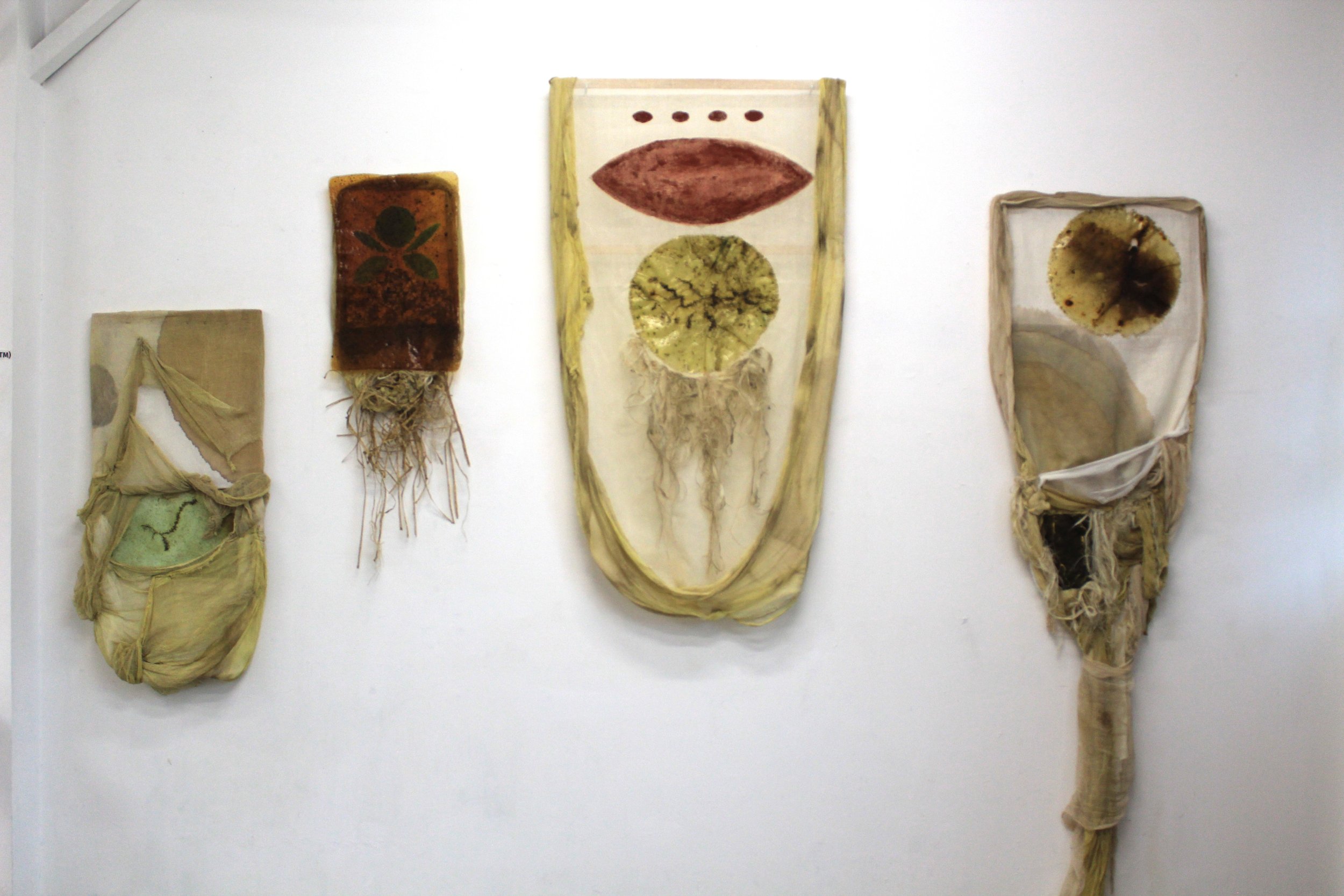
Verónica Riedel
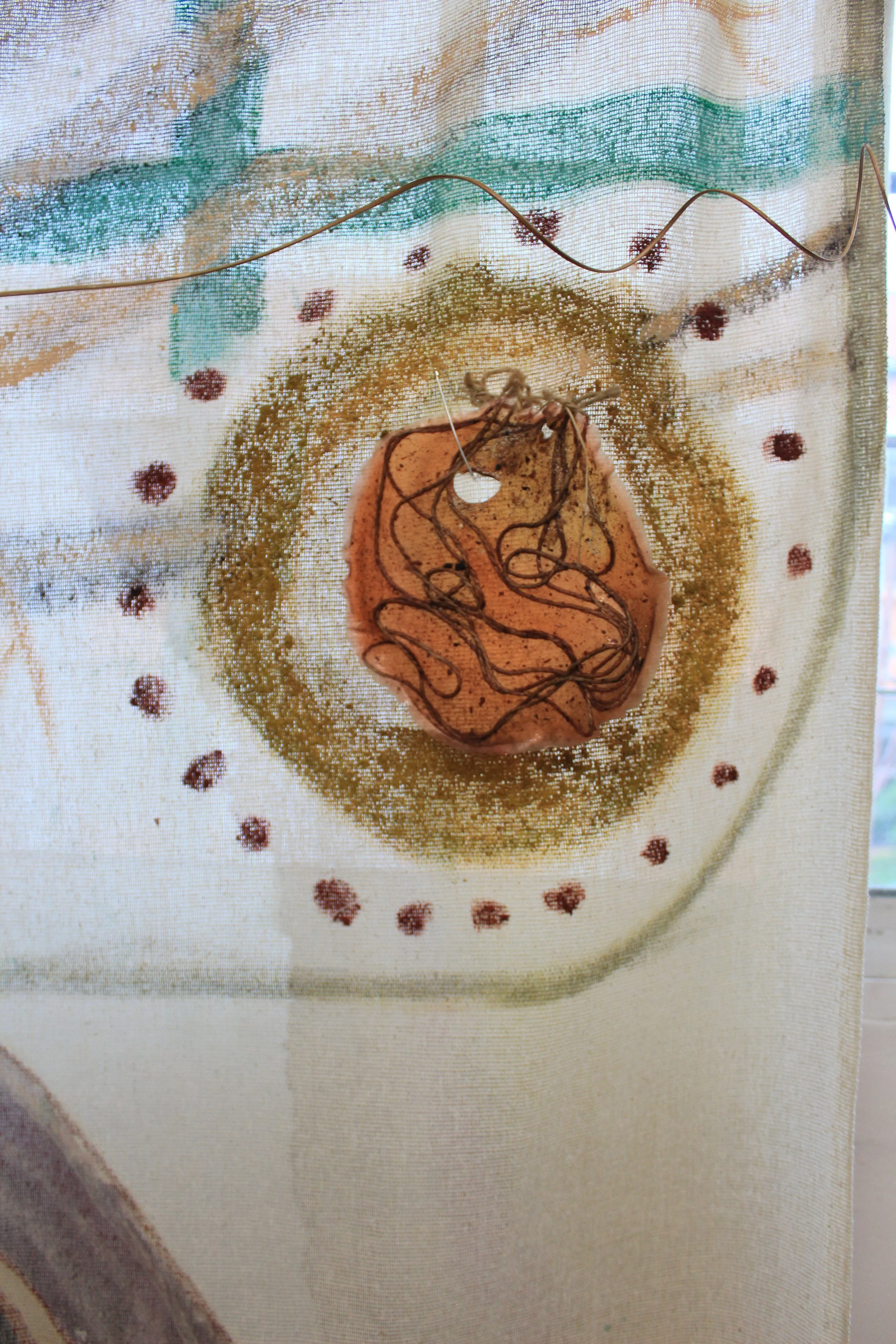
Verónica Riedel
Verónica Riedel
Miguel Ángel Hernández
Miguel Ángel Hernández