
The Skin of Time
The dialogic mentorship held with Samantha Michell, Lilian Salas, Marlitt Almodóvar, and Águeda Ponce took shape as a laboratory of listening, where the poetic drive examined its tensions with the sociopolitical, the intimate, and the psychic. In this collectivized space, pictorial practice spilled beyond the conventional stretcher frame to become a direct negotiation with territory, affects, memory, and sublimation.
Within this fabric, Samantha Michell probes the fissures of a borderland, displaced identity. Marked by the paradox of inhabiting a perpetual foreignness, understood through the multiscalar belonging theorized by Saskia Sassen, the artist understands identity not as a fixed anchor but as a transit in constant motion. Replicating herself in the collective tide of Mexico City, her Landscape-Portrait translates that urban flow through albanene paper, transparencies, light, color, limbs, and botanical forms, formalizing an expanded painting in which body and asphalt intertwine.
For her part, Lilian Salas's pictorial becoming on canvas moves from frames of nostalgia for her native border city of Reynosa toward a critical record of the contemporary territory of Mexico City. By contrasting the desire to consolidate her production in the capital with the precarity that gentrification imposes on the lives of her friends, her reflection addresses the urban extractivism and touristification analyzed by Raquel Rolnik. This real-estate violence commodifies everyday life and undermines the capacity to create and sustain community, diluting and resituating daily life and the urban dream under the urgency of adaptability and resilience.
In keeping with these affective immersions, Marlitt Almodóvar shifted her poetics, formerly tied to Zen geometry and gold leaf, toward a terrain of radical vulnerability: the anticipation of grief for the future loss of her mother. Her process-based installation activates monumental fabrics submerged in yellow ink of ritual resonance (cempasúchil), where the capillarity of time gradually stains the traces of her mother and of herself as a child. The pigment transforms inevitable fear into a poetic territory of memory, presence, and loving acceptance.
The cycle culminates with Águeda Ponce, whose work translates a vertiginous, cumulative anxiety. By setting dense matter (slabs of wax, glass beads, and an overflowing profusion of color) against the dematerialization of the image, Águeda builds an installation in the manner of a banquet that houses video monitors. In this journey in an ouroboros loop, where folk spiritual cleansings parade by, along with the melancholy of "My Way" and a device that watches the viewer, painting probes its own origin, springing simultaneously from matter, psyche, and the immaterial.
Thus, this group of the Situated Residency Fertile Anachronism redefines the act of painting by shifting its traditional limits. The pictorial surface ceases to be a static receptacle and becomes a living, embodied organism: a practice in which pigment, stain, and light operate as vehicles of sociopolitical inquiry, capable of holding grief, kneading vulnerability, and visually translating the fissures of our surroundings.
olgaMargarita dávila
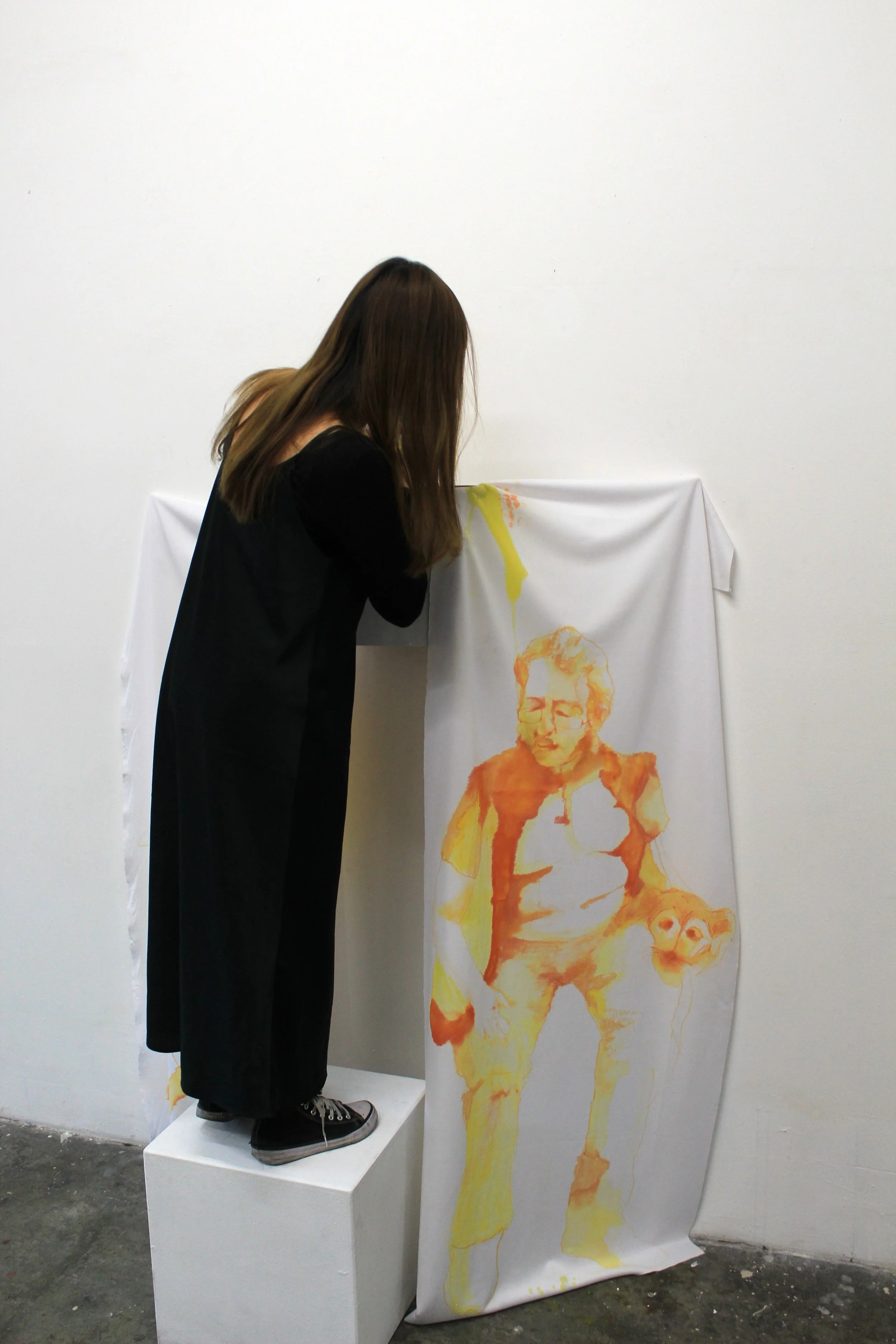
Marlitt Almodóvar
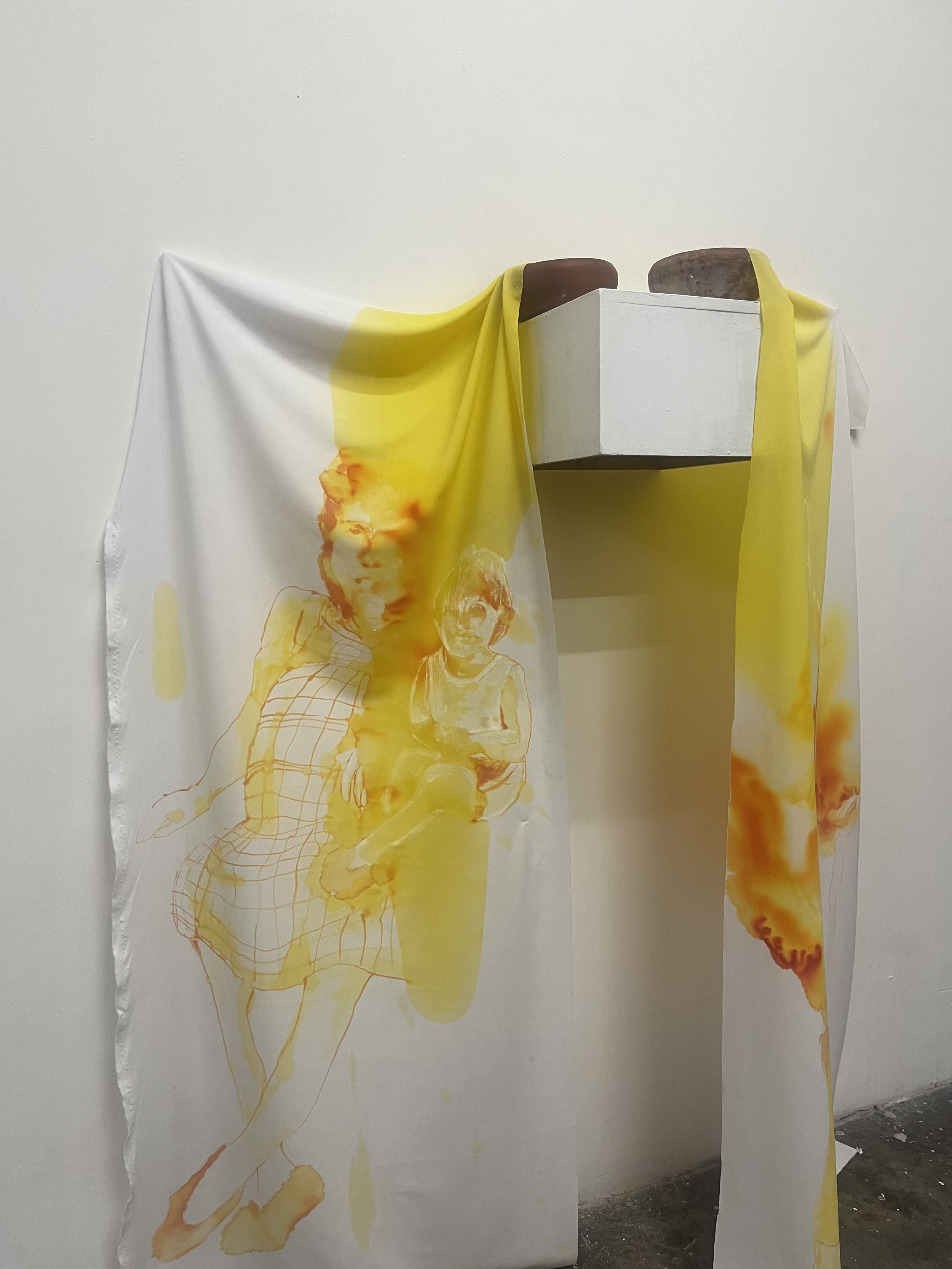
Marlitt Almodóvar
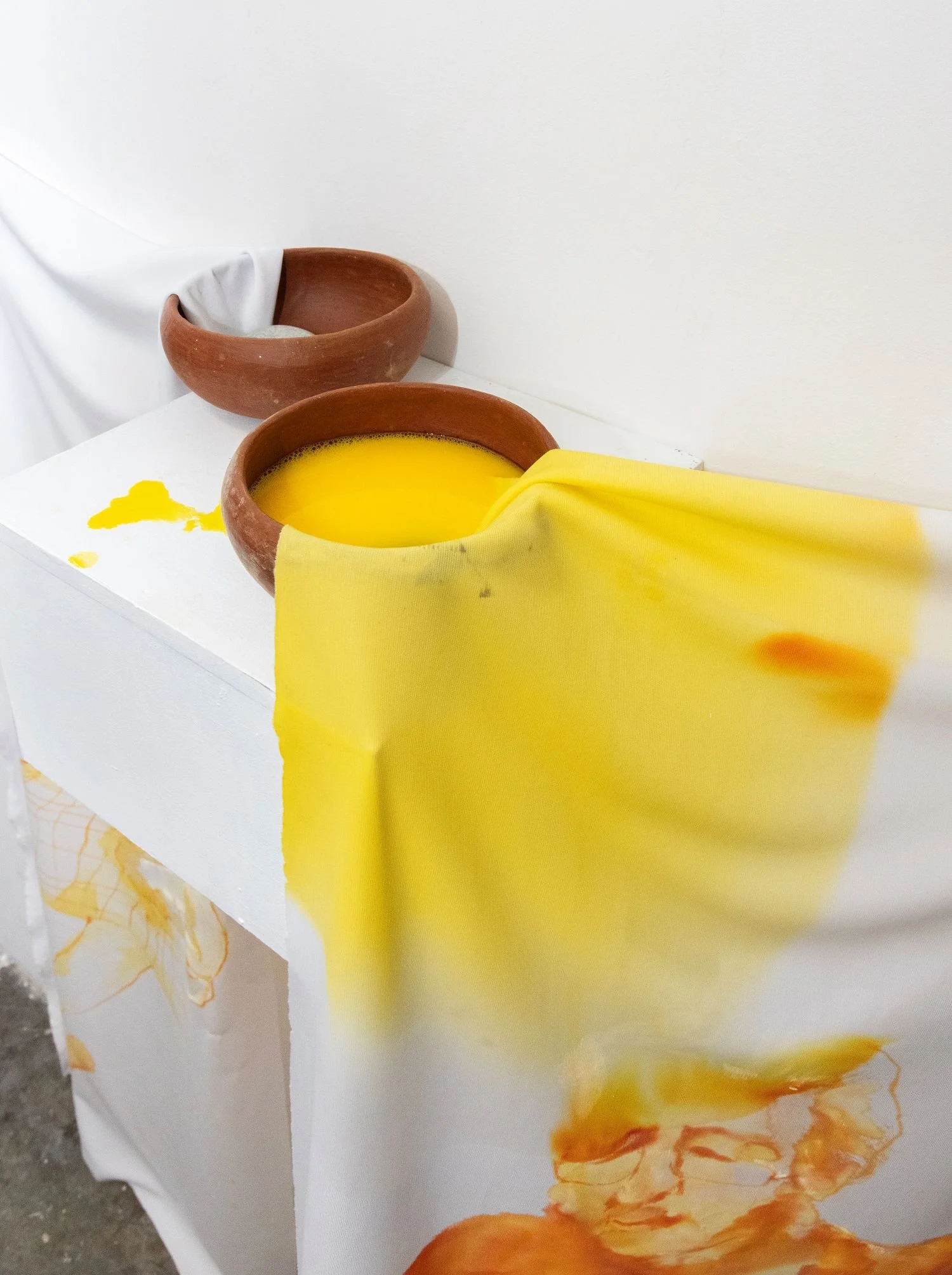
Marlitt Almodóvar
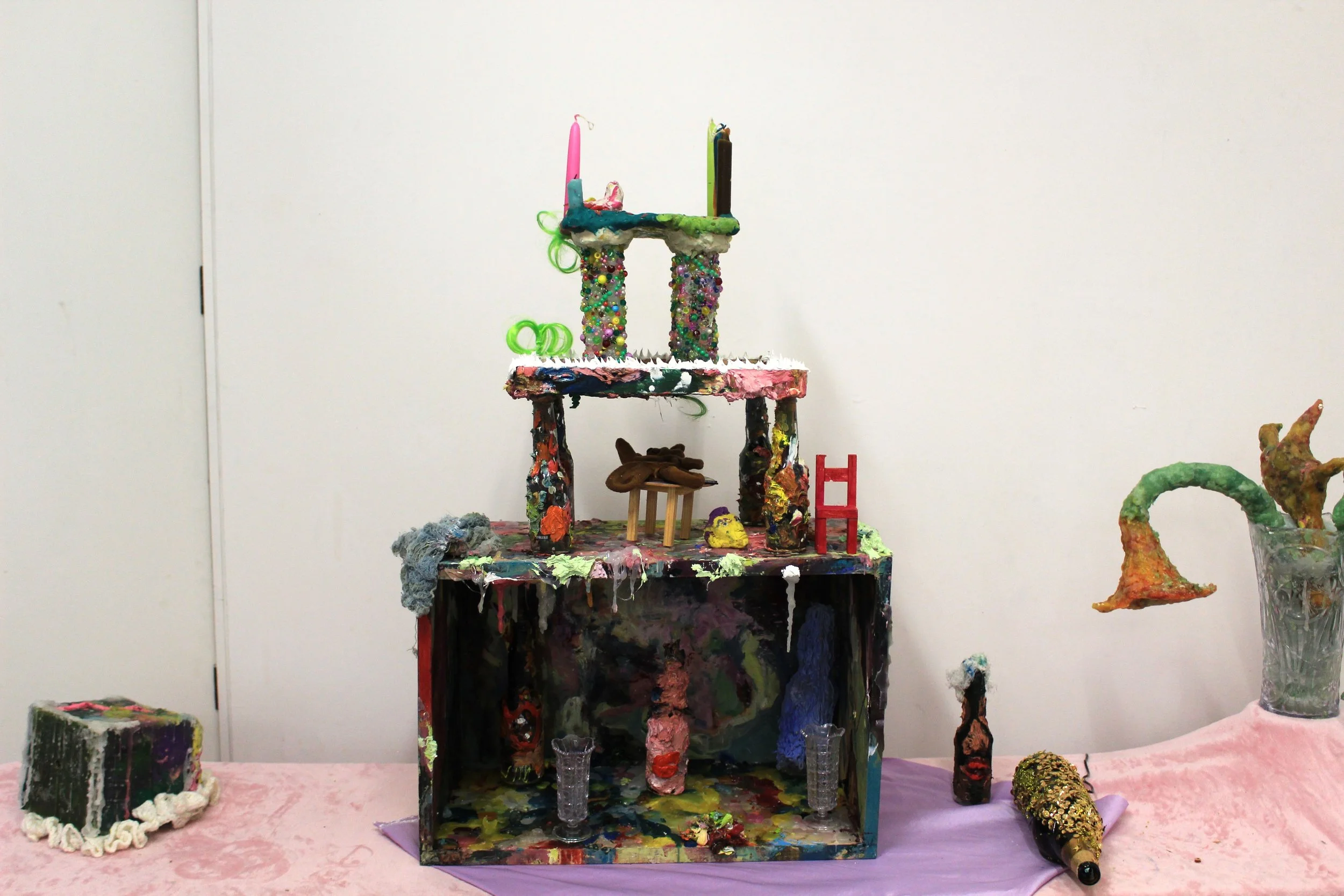
Águeda Ponce
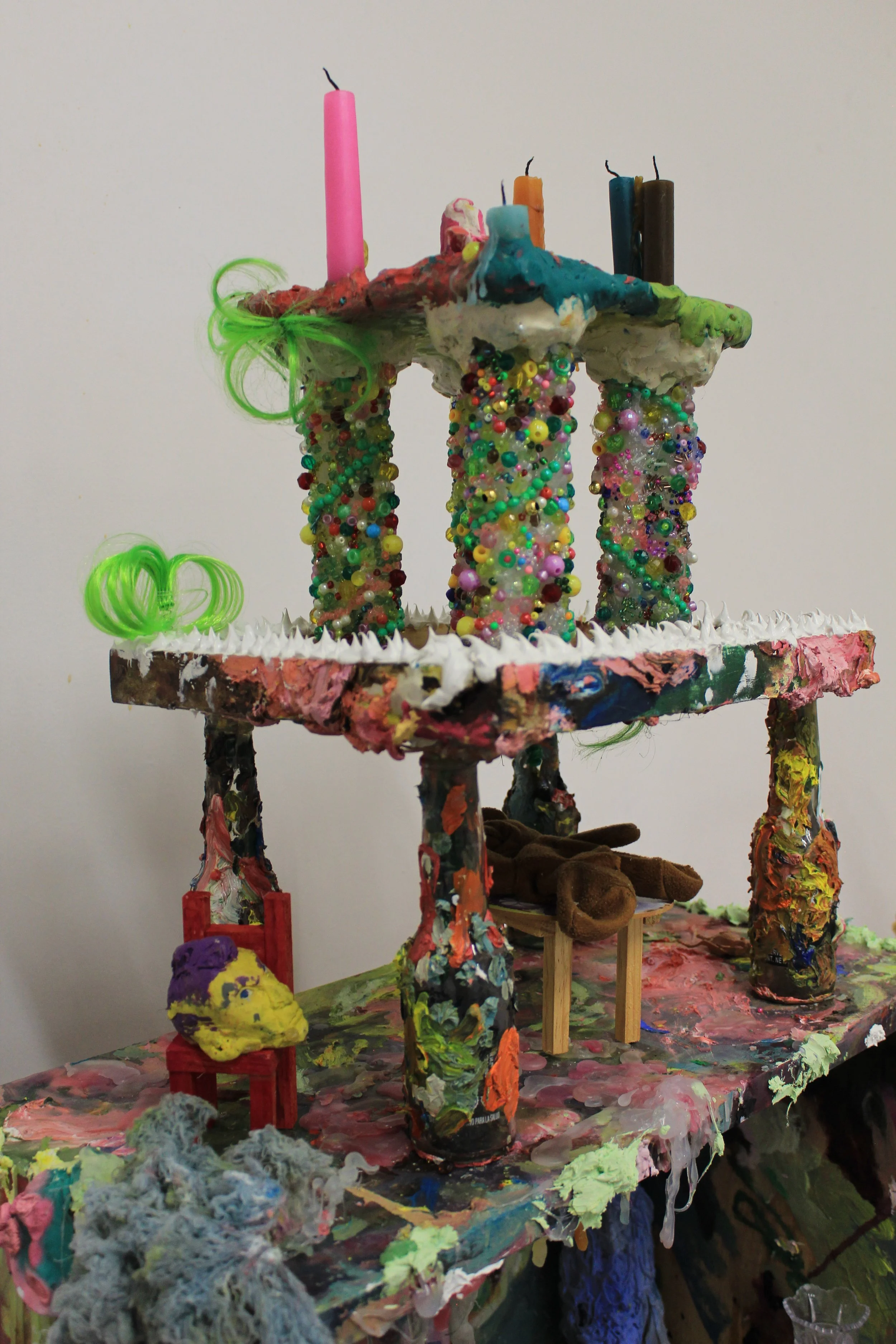
Águeda Ponce
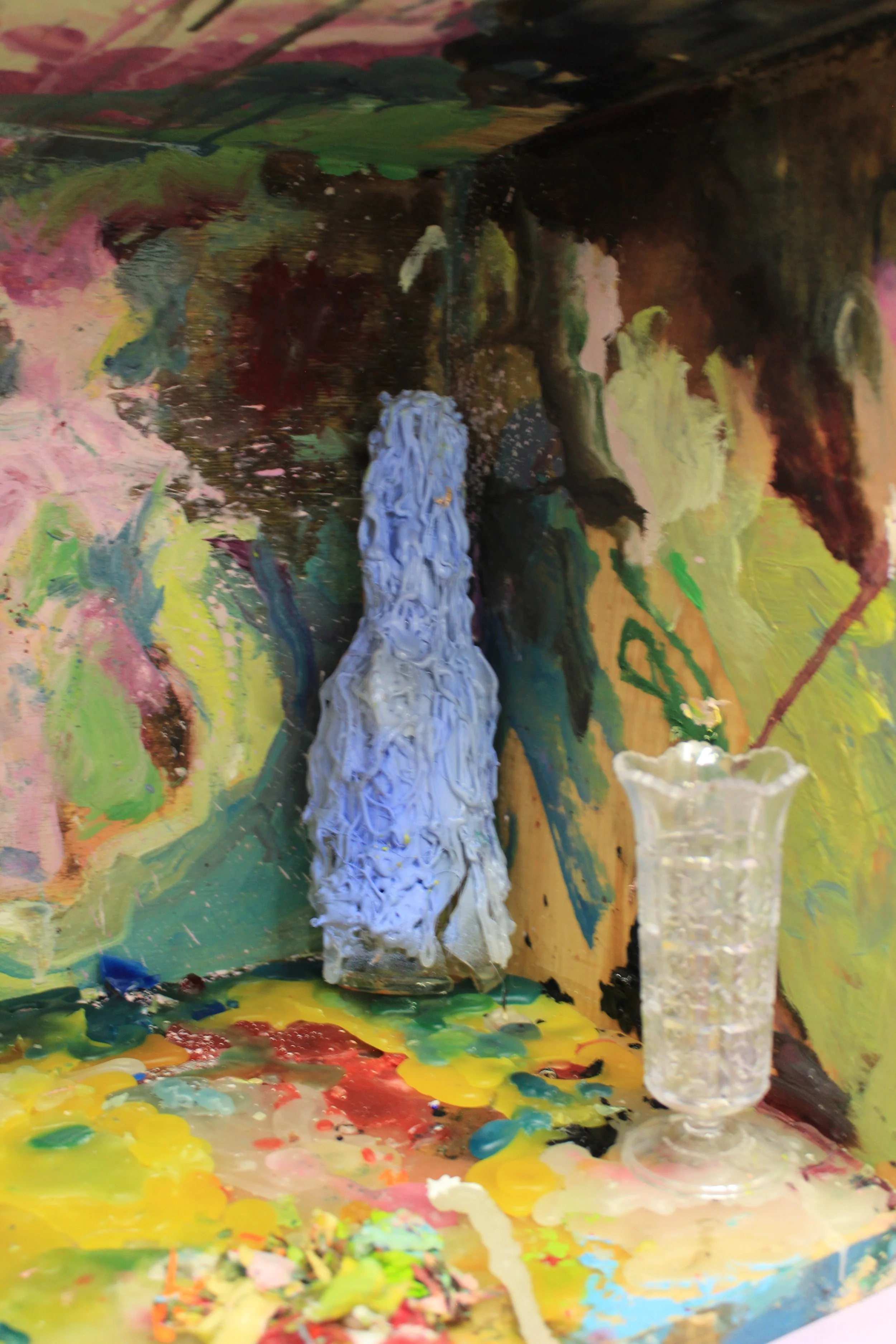
Águeda Ponce
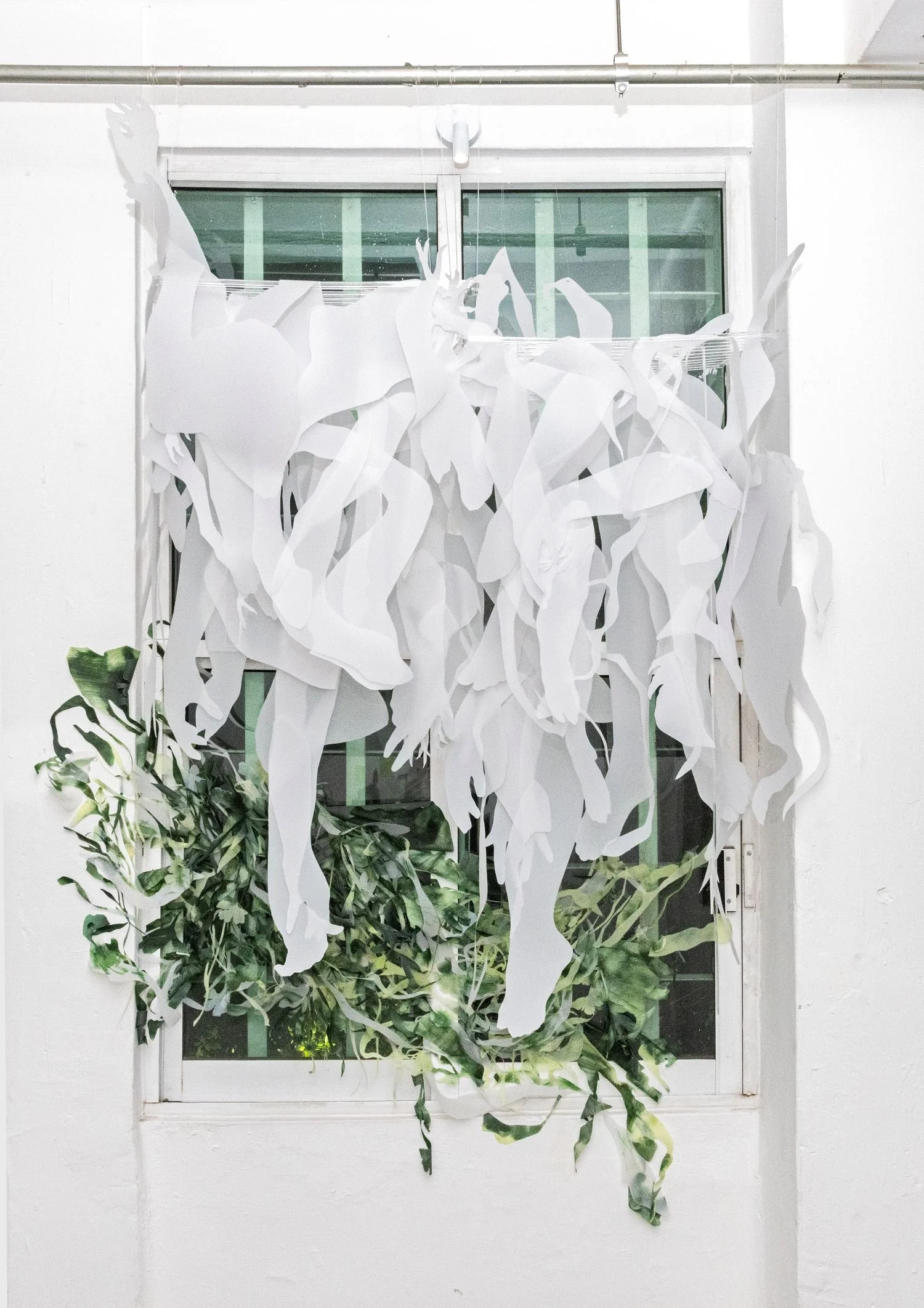
Samantha Michell
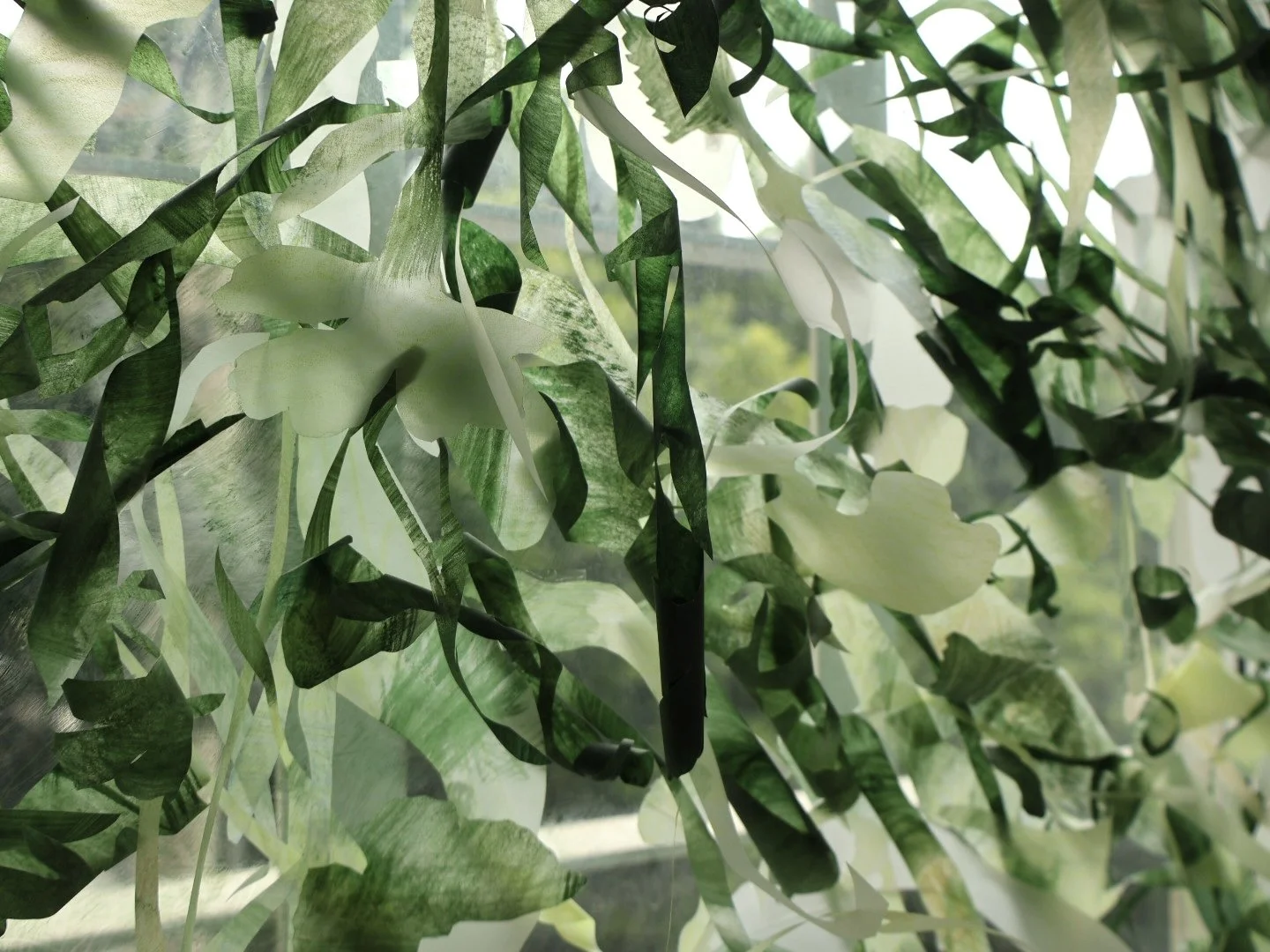
Samantha Michell
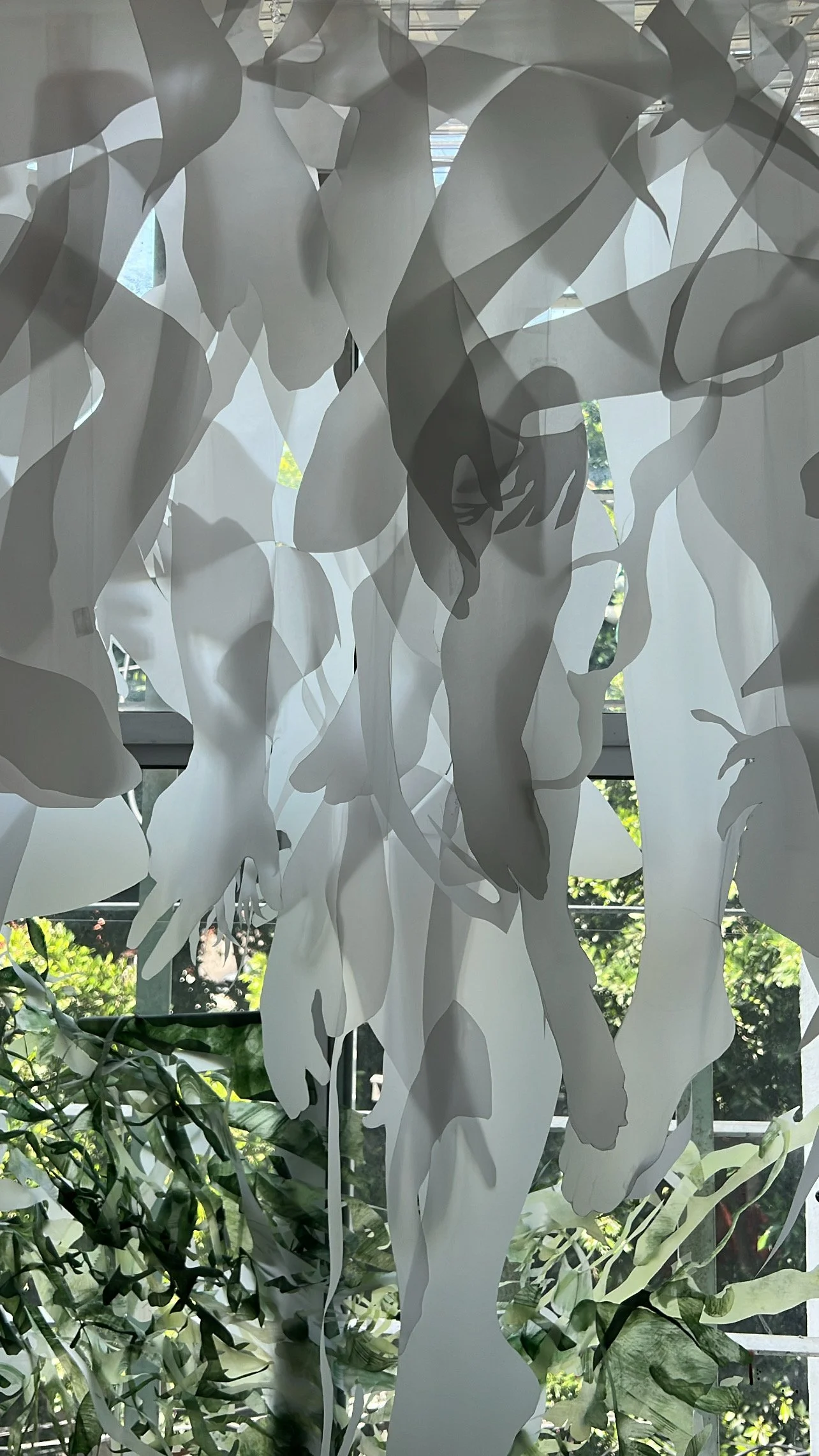
Samantha Michell
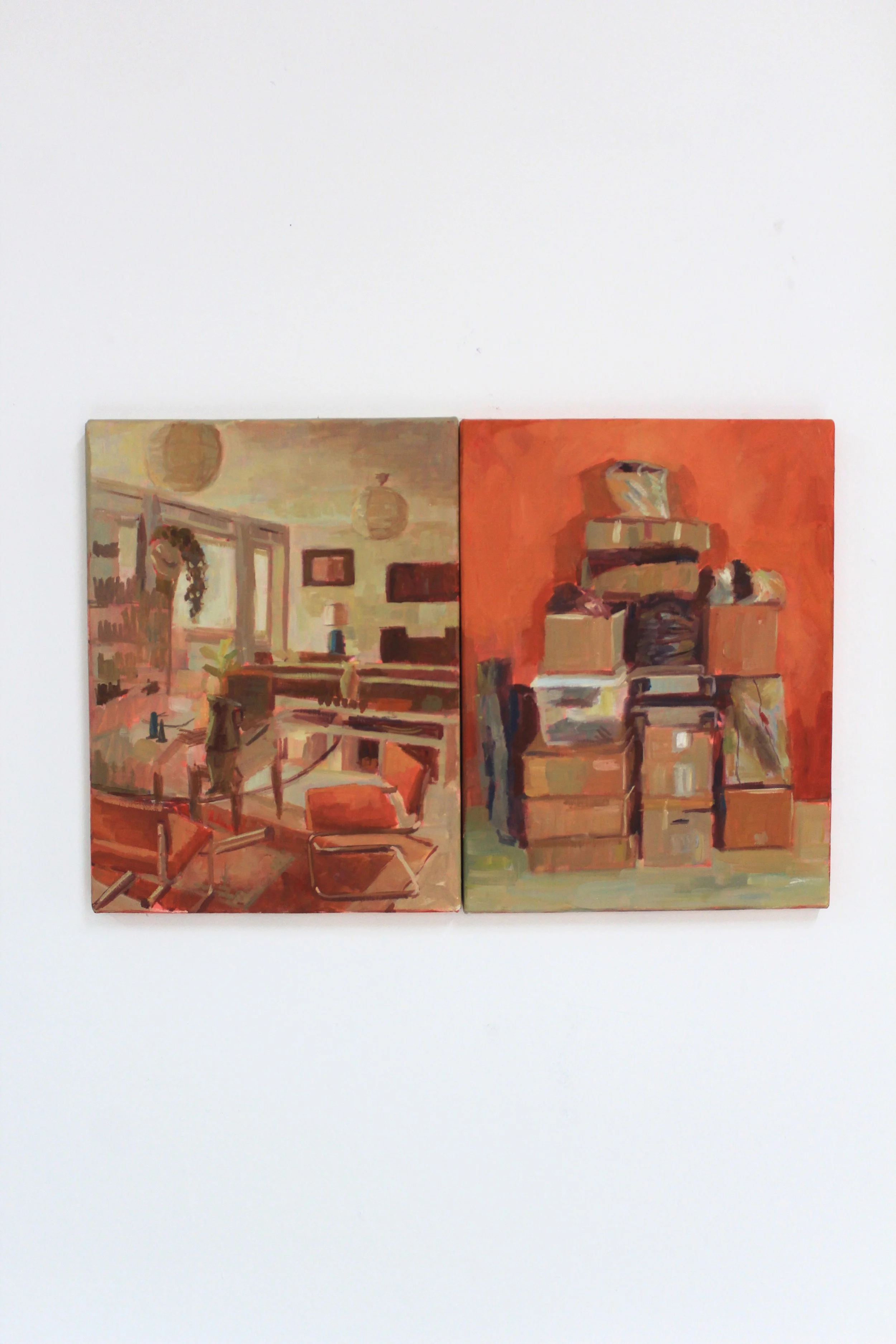
Lilian Salas
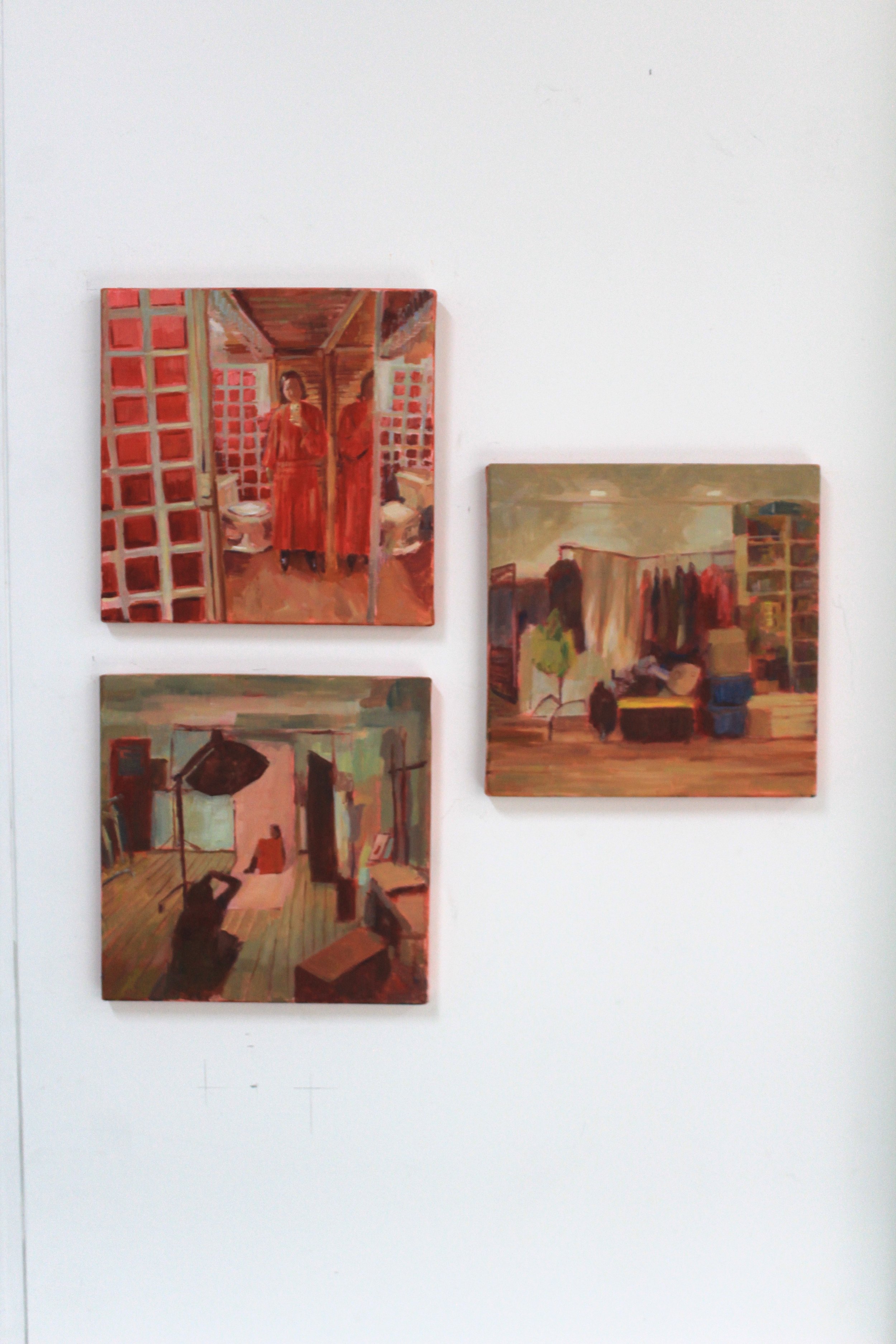
Lilian Salas
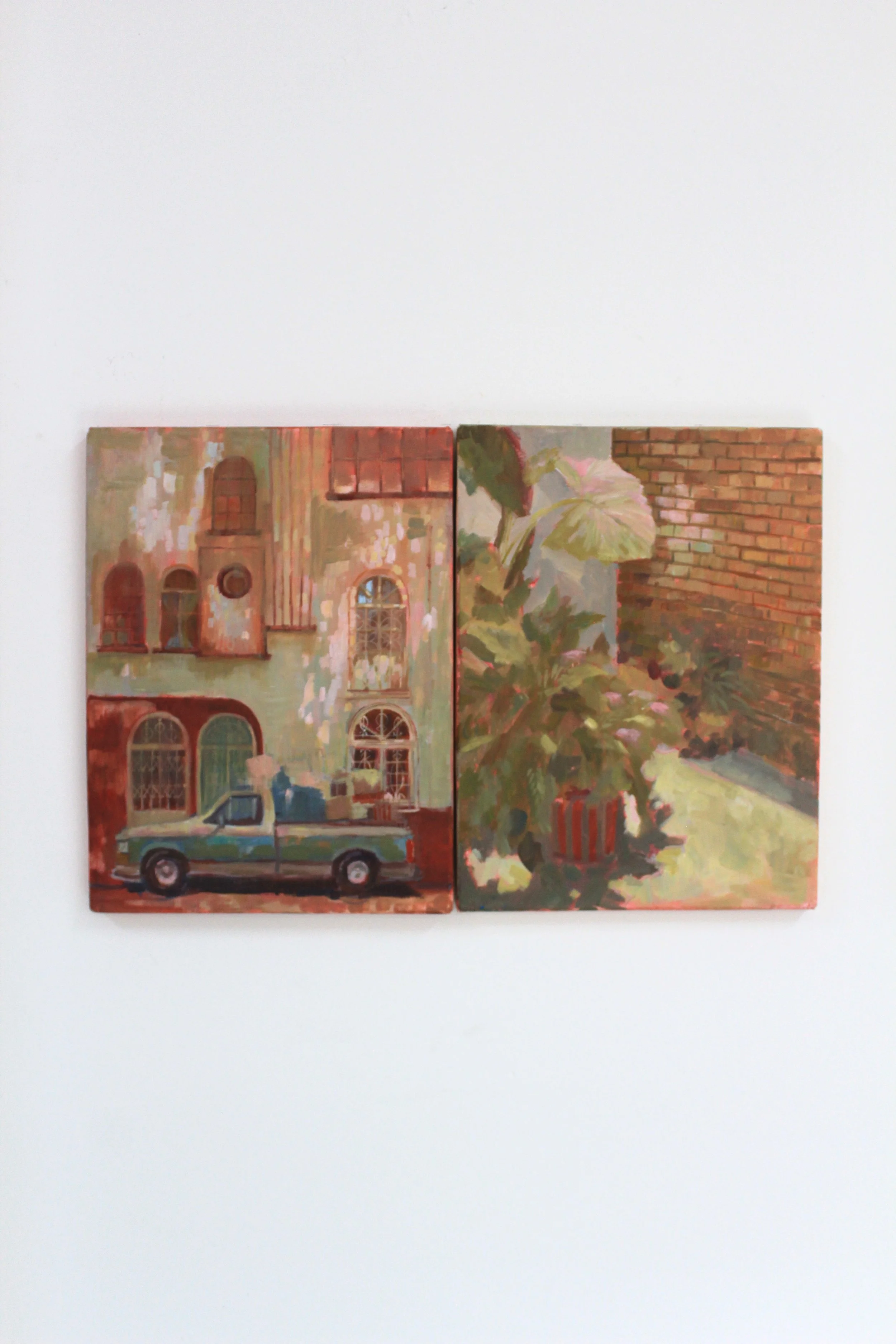
Lilian Salas